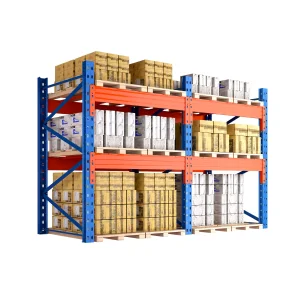
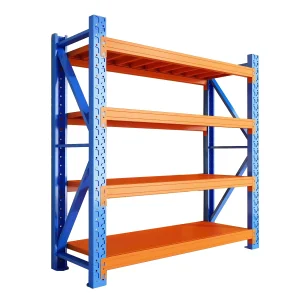
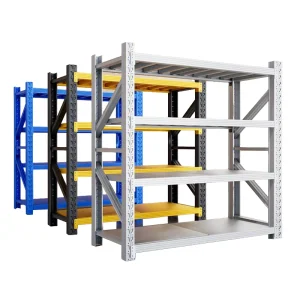
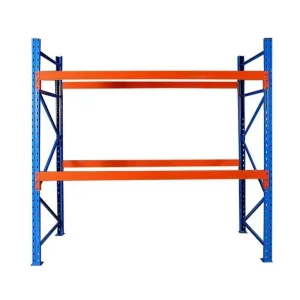
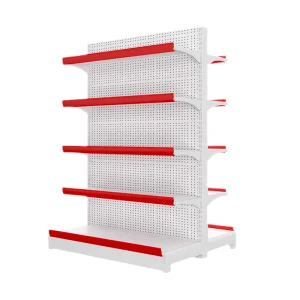
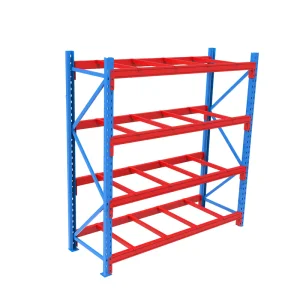
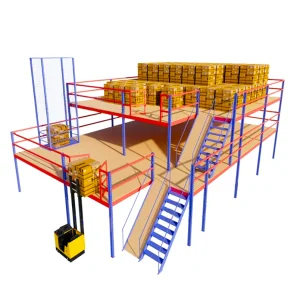
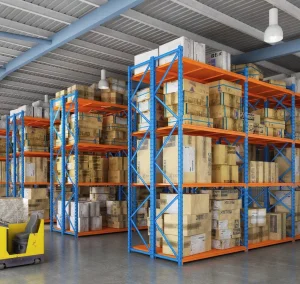
In the contemporary globalized logistics paradigm, real estate costs in urban logistics hubs have surged exponentially. Logistics operators, third-party logistics (3PL) providers, and retail giants are facing unprecedented challenges in maximizing volumetric space efficiency without sacrificing selectivity and speed. Industrial mobile shelving and high-density racking systems represent the pinnacle of engineering response to this spatial compression crisis.
Unlike traditional static layout systems that require permanent, fixed access aisles for each racking row, mobile shelving systems operate on motorized or mechanically guided rail bases. By eliminating redundant transit spaces and dynamically opening aisles only when required, enterprise operators can consolidate their physical footprint by up to 50% or, conversely, increase their total SKU storage density by up to 80% to 120% within the same structural envelope.
“Operational efficiency is no longer simply about picking speeds; it is fundamentally about maximizing storage density relative to municipal land costs and warehouse thermal control expenditures. High-density mobile racking represents the structural spine of this efficiency optimization.”
From a global macroeconomic perspective, the rise of cold chain logistics for pharmaceutical and food distribution has further accelerated the demand for high-density configurations. Refrigerated and blast-freezer warehouse spaces incur massive hourly energy costs. Consolidating volume via mobile bases drastically reduces the thermal leakage footprint, directly yielding measurable reductions in operational utility bills (OpEx) while simultaneously boosting ESG (Environmental, Social, and Governance) compliance metrics for carbon emissions reporting.
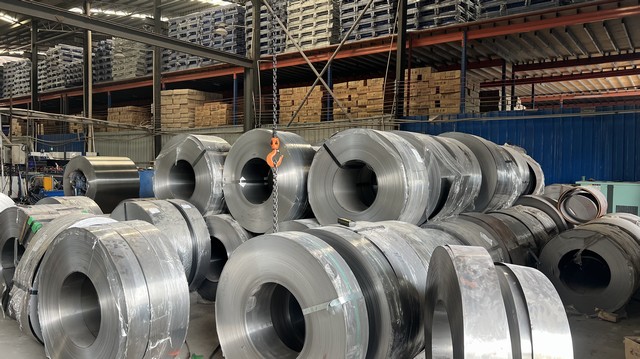
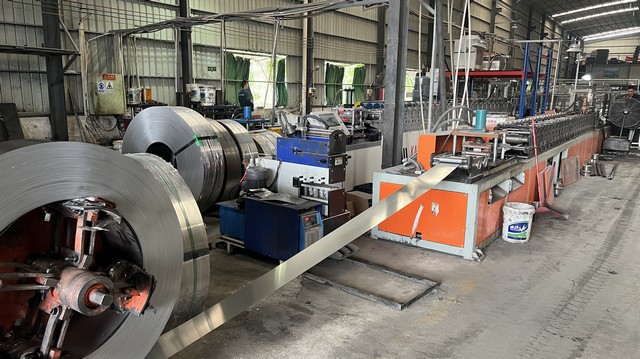
Safety in high-density mobile racking is a direct function of material selection and structural tolerance calculations. To guarantee absolute compliance with international structural standards (such as the Rack Manufacturers Institute (RMI) MH16.1 specifications and the European EN 15512 standards), manufacturing begins with premium-grade cold-rolled steel coils, specifically Q235B and high-tensile Q355B structural steel.
The selection of steel grade impacts structural resilience under static, dynamic, and seismic loads. Here is a breakdown of the physical characteristics of the high-grade materials utilized in our automated production lines:
| Steel Grade Standard | Yield Strength (MPa) | Tensile Strength (MPa) | Elongation (%) | Typical Applications |
|---|---|---|---|---|
| Q235B (ASTM A36 Equiv.) | ≥ 235 | 370 - 500 | ≥ 26% | Standard duty upright frames, cross beams, long span shelves, and general bracing components. |
| Q355B (ASTM A572 Equiv.) | ≥ 355 | 470 - 630 | ≥ 22% | Heavy-duty base rails, high-bay racking uprights, seismic structural nodes, and ultra-high-capacity dynamic beams. |
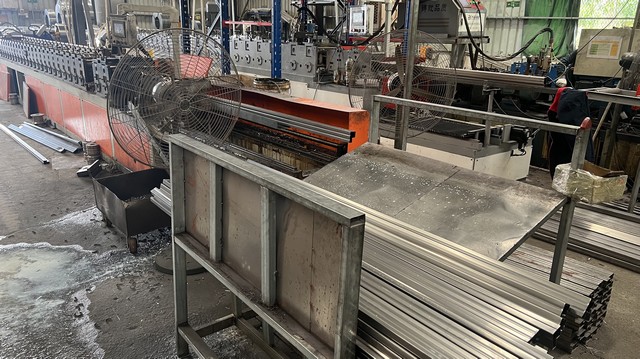
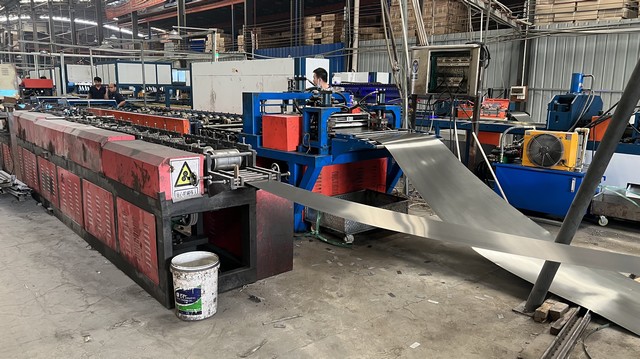
During the rolling and profiling stages, tight gauge control is mandatory. Deviations in sheet thickness of even 0.1mm can compromise the load-carrying margin of safety. Precision cold-rolling mills compress raw carbon steels into optimal profiles, optimizing structural shape factor properties (such as the section modulus) to withstand concentrated and uniform loads while keeping the overall dead weight of the system balanced. This mechanical optimization minimizes physical deflection to a maximum ratio of L/200 under full load capacity, guaranteeing structural longevity even under intense 24/7 cycles.
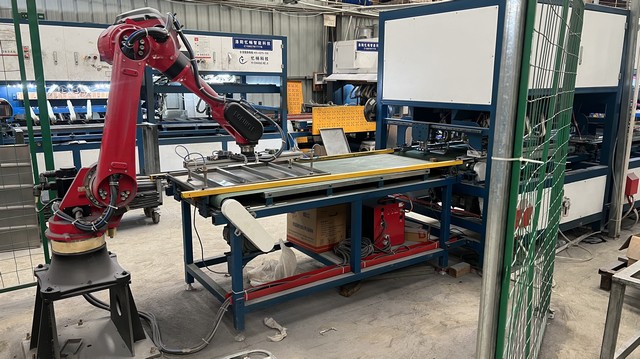
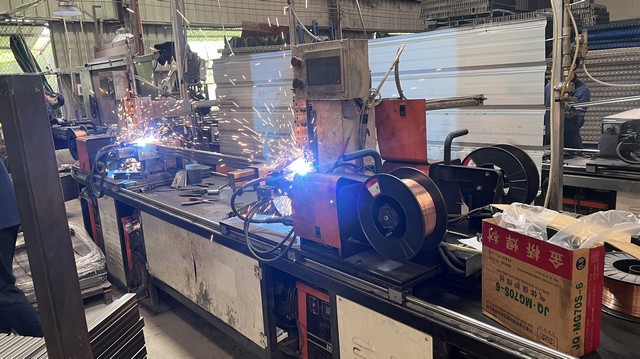
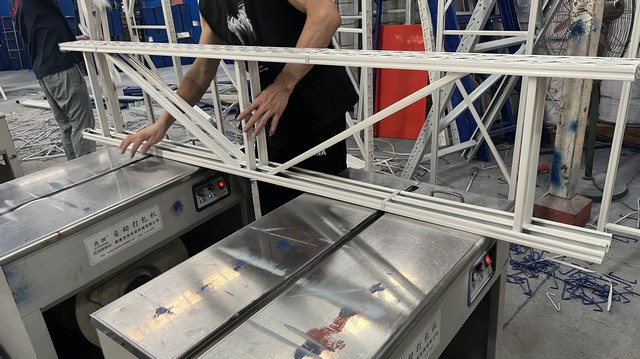
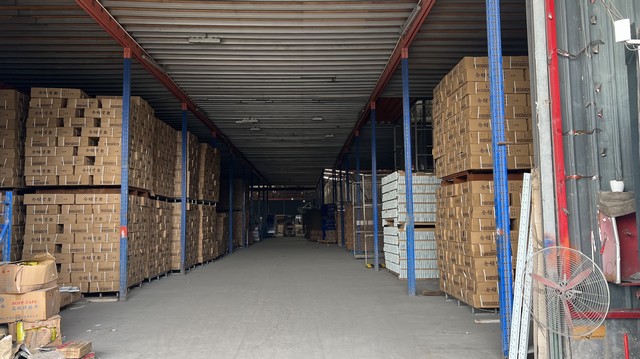
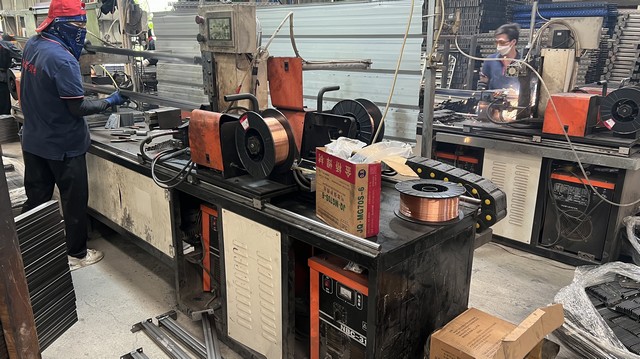
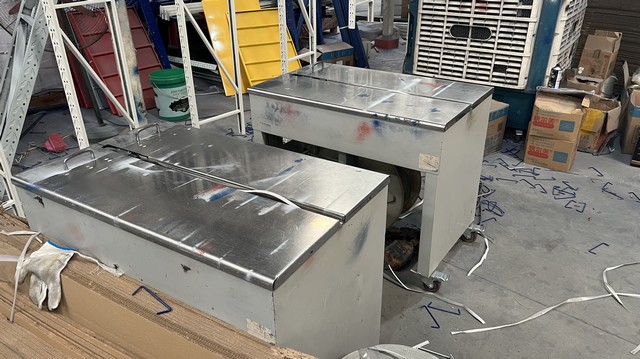
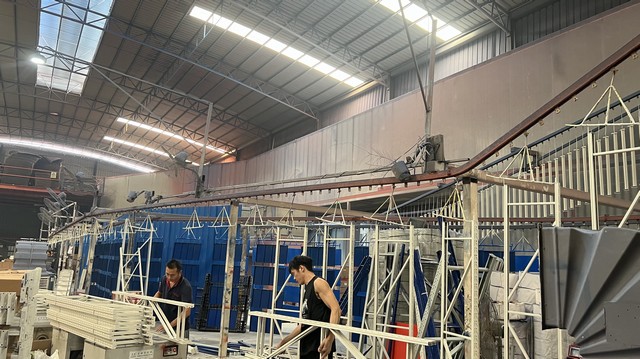
Take an inside look at the 35,000 square meter state-of-the-art facility where automated machinery and strict quality control transform raw steel into high-density storage hardware.
Deploying heavy-duty shelving requires strict adherence to localized engineering and building codes. Different regulatory environments dictate distinct criteria for seismic zones, wind loading (for outdoor racking), environmental corrosion protection, and fire safety systems. Below is an analysis of compliance protocols necessary for primary international markets:
In addition to spatial efficiency, safety compliance remains a crucial design element. Systems are engineered with specialized seismic base plates, floor-anchoring bolt arrays, heavy-duty beam safety pins, and integrated wire mesh decking to mitigate pallet fall hazards and protect operators during rapid warehouse picking cycles.
The industrial shelving industry is shifting toward smart, integrated automation.广州方九货架有限公司 (Guangzhou Fangjiu Shelf Co., Ltd.) is leading this shift by integrating traditional heavy-duty structures with automated storage and retrieval systems (ASRS), shuttle systems, and PLC-controlled mobile racking arrays.
Our engineering division designs customized structural frameworks for automated shuttle systems. Our technical roadmap focuses on reducing structural tolerances to ±1.0mm over long rack spans, providing the high precision needed for optical sensors on automated guided vehicles (AGVs) and robotic picking devices.
By using Finite Element Analysis (FEA) software, our engineering team simulates localized stress distribution, seismic tremors, and dynamic structural loading. This digital testing helps optimize material thickness, ensuring structural safety while preventing over-engineering and keeping raw material costs competitive for B2B buyers.
Established in 2013, a leading global manufacturer specializing in heavy-duty warehouse racking, industrial shelving, and space-optimized storage designs.
With 10 years of deep industry expertise and 7 years of global export experience, our brand has grown into a trusted storage solution supplier worldwide. Our products are exported to primary markets across North America, Europe, Southeast Asia, and the Middle East, generating an annual export revenue reaching $49 million USD. We maintain robust strategic alliances with over 580 reliable supply chain partners to ensure seamless sourcing, consistent material quality, and competitive lead times.
Quality and safety are at the core of our operations. Our dedicated quality assurance division comprises 38 professional QC inspectors who enforce stringent quality control protocols at every manufacturing stage. Utilizing advanced testing methods—including Ultrasonic Flaw Detection for critical welds, Salt Spray Corrosion Testing, Automated Powder Coating Coating Thickness Measurement, and Full Load Stress & Deflection Testing—we ensure every rack system meets ISO 9001 and international safety standards.
We cater to a diverse clientele, primarily serving B2B enterprise buyers, third-party logistics (3PL) providers, industrial warehouse developers, and global racking importers. Backed by a professional team of 25 R&D engineers, we possess robust research and development capabilities, successfully launching over 150 new innovative products and structural designs in the past year alone. Our comprehensive OEM & ODM customization options allow clients to tailor beam capacities, upright profiles, decking types, color schemes, and specialized anti-seismic rack structures to meet precise warehouse layout requirements.
Answering critical technical and sourcing questions for commercial warehouse projects.
 Fangjiu Rack