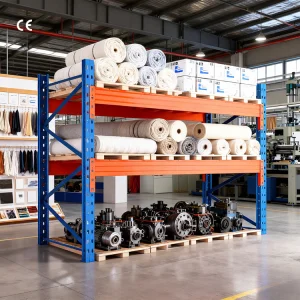
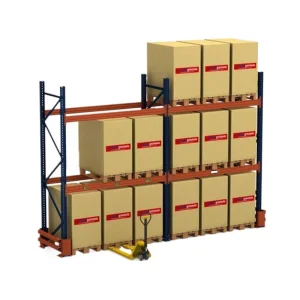
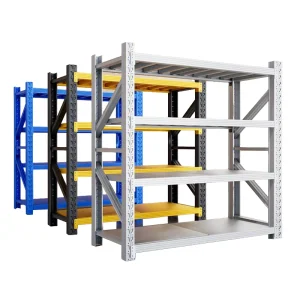
Explore our certified, precision-engineered industrial shelving and pallet racking systems tailored for global warehouse deployments.
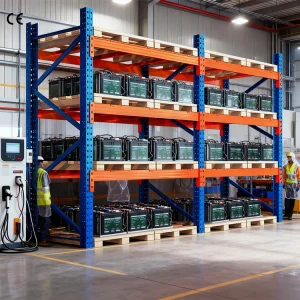
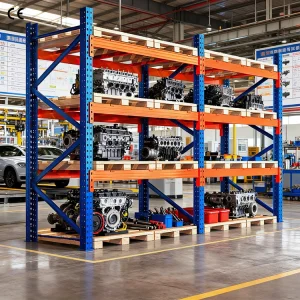
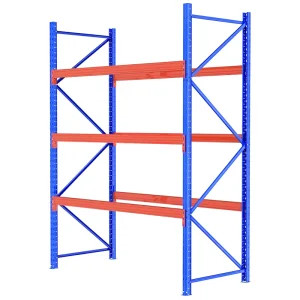
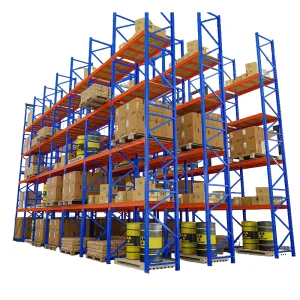
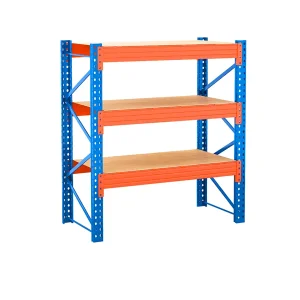
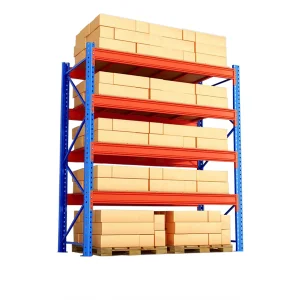
In modern industrial logistics, the efficiency of physical distribution networks hinges directly on high-density structural integrity. Global supply chain shifts, fueled by rapid e-commerce expansion and optimized just-in-time (JIT) manufacturing cycles, have transformed heavy-duty racking systems from passive structural frames into dynamic strategic assets. As industrial land values appreciate, the optimization of vertical cubic volume becomes an operational necessity.
"Structural safety, seismic resiliency, and modular flexibility are the three pillars of modern warehouse racking procurement. Enterprise logistics cannot afford systemic structural failures."
Across North America and the European Union, standard operating procedures for material handling require compliance with rigorous building codes (such as RMI and EN 15635 regulations). Consequently, multinational enterprises demand engineered solutions designed to support high pallet loads under variable dynamic stresses. A premier exporter must merge local engineering calculations with global material certification.
Engineered Durability. Scale-Proven Capacity. A Decade of Excellence in Industrial Space Optimization.
Our QA division comprises 38 professional QC inspectors enforcing standard operation protocols at every stage, verifying structural safety and compliance.
We perform Ultrasonic Flaw Detection for welds, Salt Spray Corrosion tests, automated coating thickness measurements, and full stress-deflection tests.
Backed by 25 R&D engineers, we design and produce tailored configurations, beam capacities, specialized profiles, and seismic-resistant layouts.
From prime cold-rolled steel coils to high-durability electrostatically-coated structural frames.
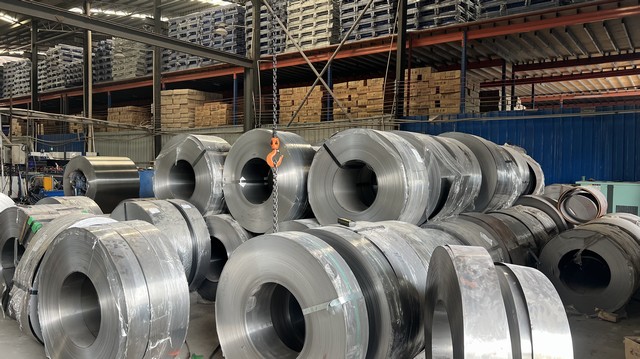
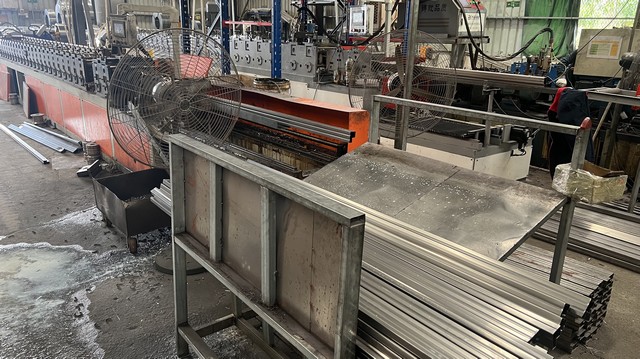
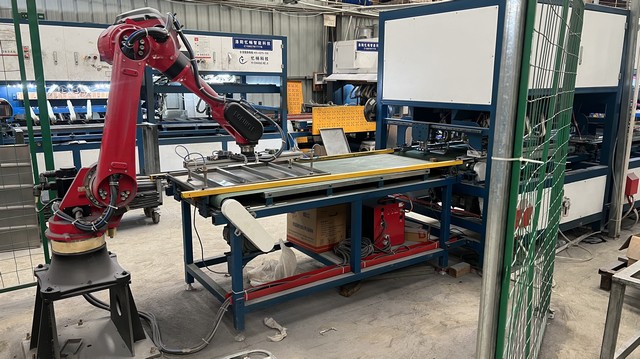
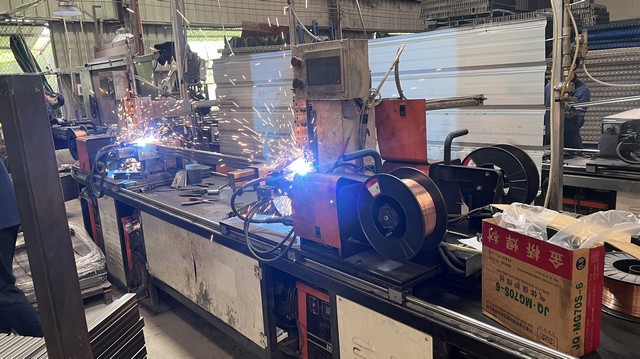
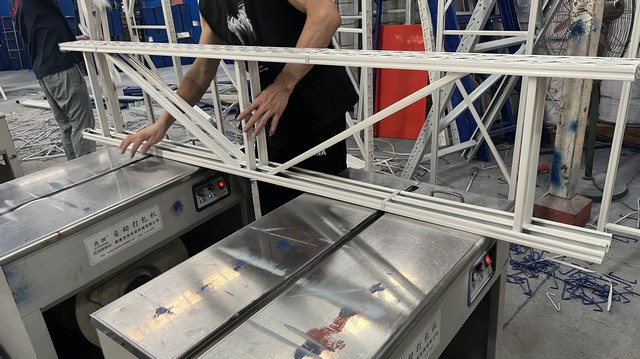
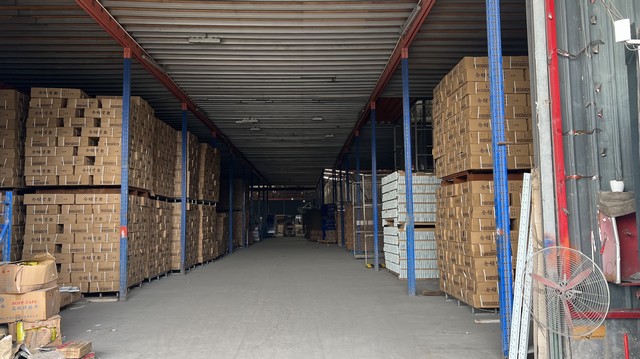
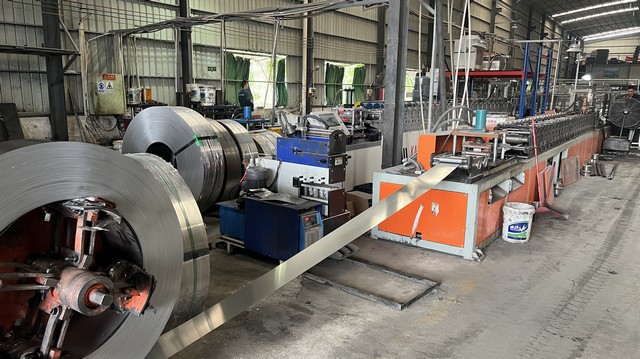
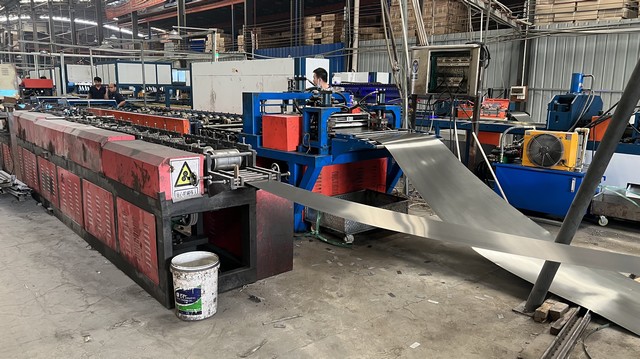
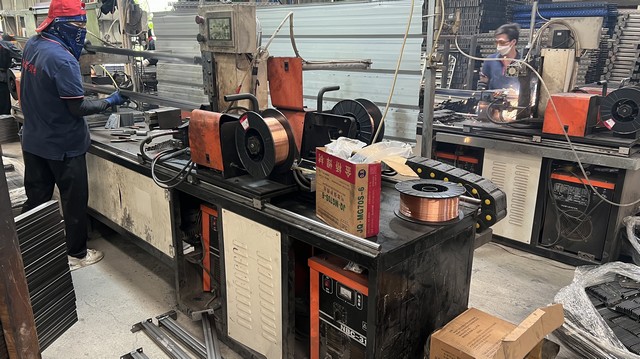
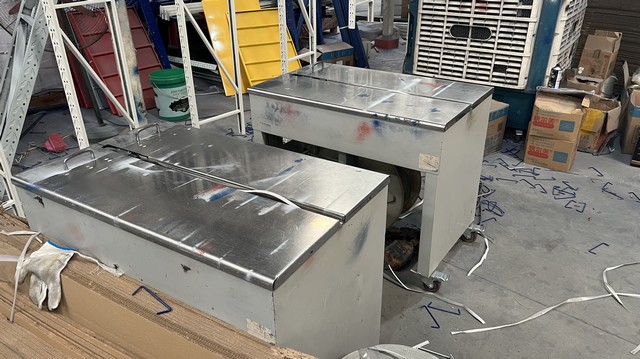
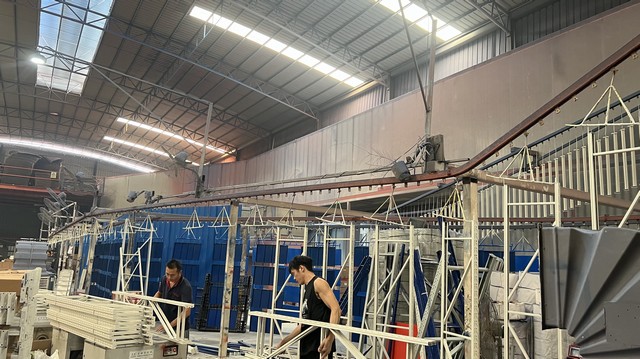
The industrial shelving industry is shifting toward smart, integrated storage systems. High-bay warehouses utilizing Very Narrow Aisle (VNA) layouts are replacing standard selective configurations to optimize footprint utilization by up to 60%. These systems require tight structural tolerances during cold-rolling processes, as tolerances deviate by less than 0.5% over a 15-meter height to accommodate automated guided vehicles (AGVs) and high-level stackers.
Additionally, specialized surface finish techniques are critical in cold-chain logistics environments (-30°C) and coastal high-humidity storage. The standard coating thickness must be carefully measured to provide chemical resistance and avoid micro-fissures in cold conditions. Anti-seismic construction designs are becoming standard, featuring baseplates that absorb kinetic shear waves during earthquake events.
In-depth technical answers addressing critical parameters of heavy-duty industrial racking configurations.
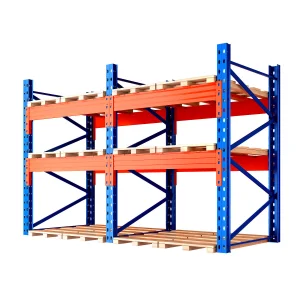
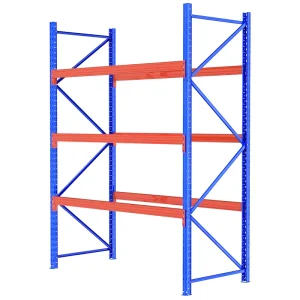
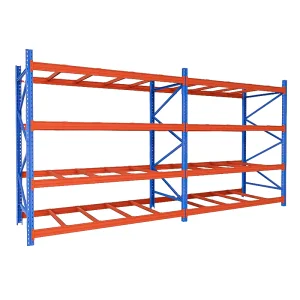
Complete structural setups including adjustable beam systems, drive-in systems, VNA options, and long-span configurations.
 Fangjiu Rack