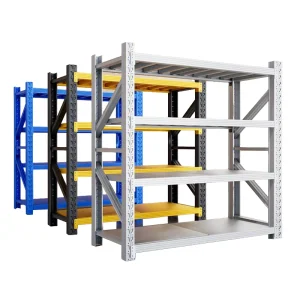
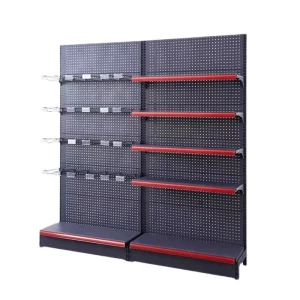
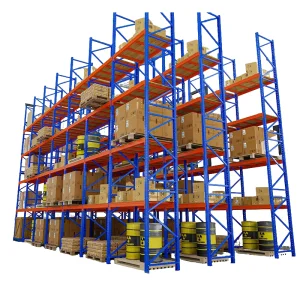
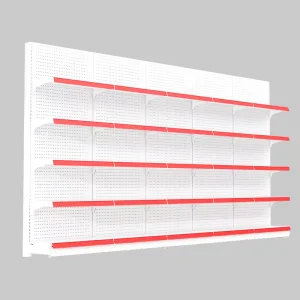
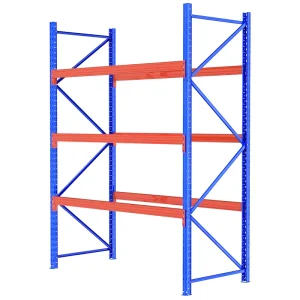
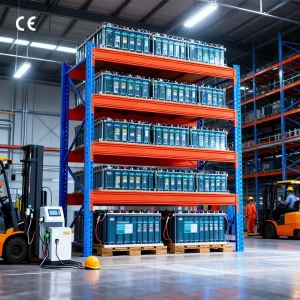
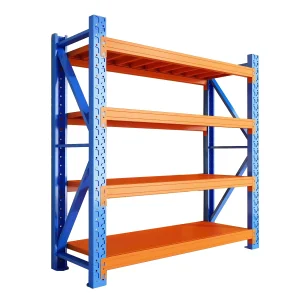
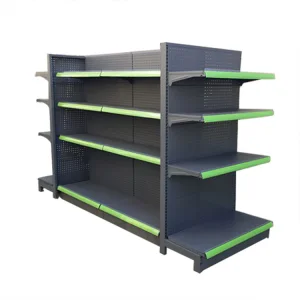
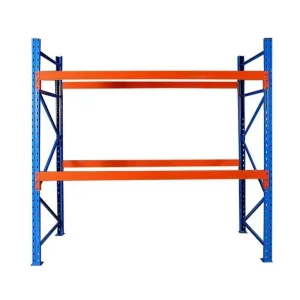
Engineered cold-rolled and galvanized steel structures designed for immediate local installation, complying with RMI standards.
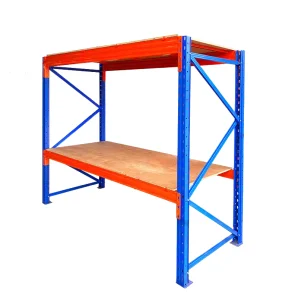
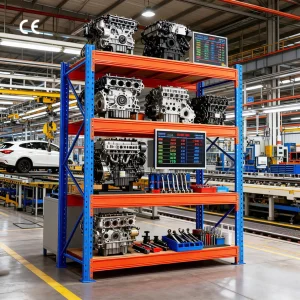
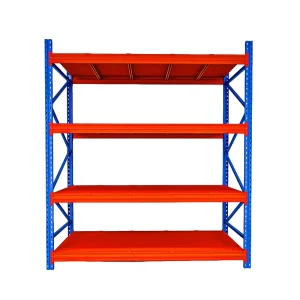
Navigating footprint optimization, port supply chain pressures, and California's rigorous structural codes.
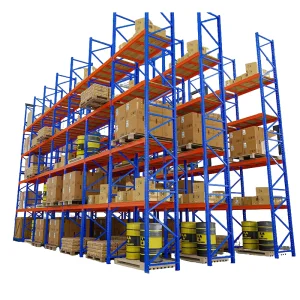
The San Francisco Bay Area—stretching from the logistics hubs of Oakland and Richmond to the technology and biotechnology corridors of South San Francisco and Silicon Valley—represents one of the most real-estate-constrained industrial markets in North America. With commercial land values at record highs, local enterprises can no longer expand horizontally. Growth is vertical. This structural demand requires warehouse racks that safely elevate heavy pallets while offering unmatched durability under dynamic loads.
“Modern San Francisco logistics terminals demand structural optimization. By implementing multi-tier cold-formed steel racking systems, distribution centers can increase active storage density by up to 140% without modifying their physical building footprint.”
Unlike less active seismic regions, San Francisco and northern California demand custom structural engineering that complies with the California Building Code (CBC), International Building Code (IBC) Chapter 16, and the Rack Manufacturers Institute (RMI) specifications. When selecting a storage rack manufacturer, compliance is not just about choosing heavy steel—it is about complex finite element analysis (FEA) modeling that accounts for soil profile classification, seismic acceleration factors (SDS), and custom baseplate dimensions.
For installations in seismic design category D, E, or F (common to the Bay Area), our racks utilize specialized baseplates with expanded footprints, double anchor hole alignments, and precision-welded gussets. This ensures that in the event of seismic activity, kinetic energy is distributed uniformly through the concrete slab, avoiding upright failure and protecting your workforce and materials.
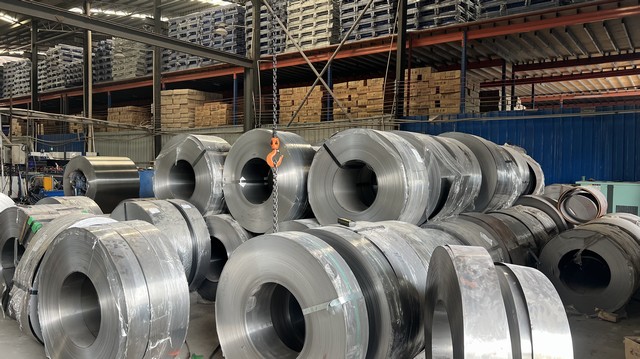
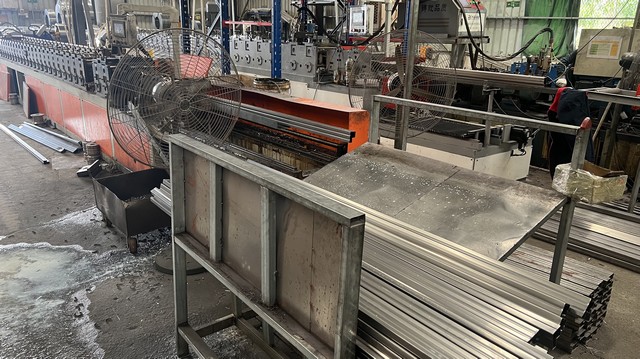
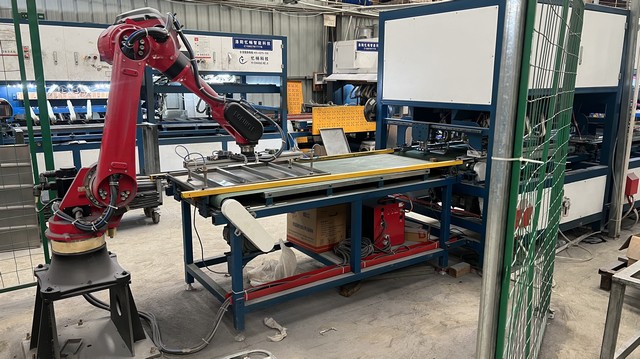
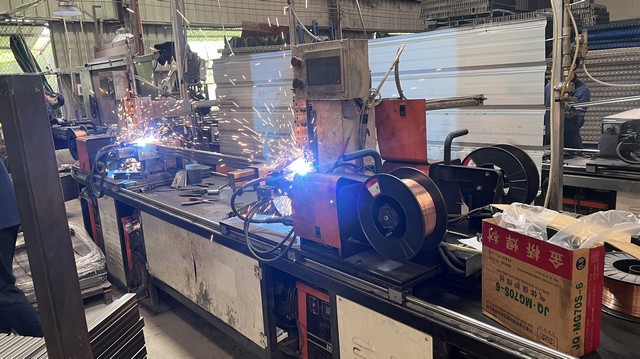
A step-by-step walkthrough of Guangzhou Fangjiu Shelf Co., Ltd.'s automated facility operations.
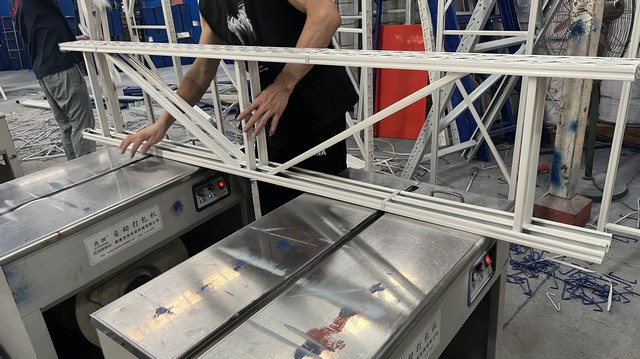
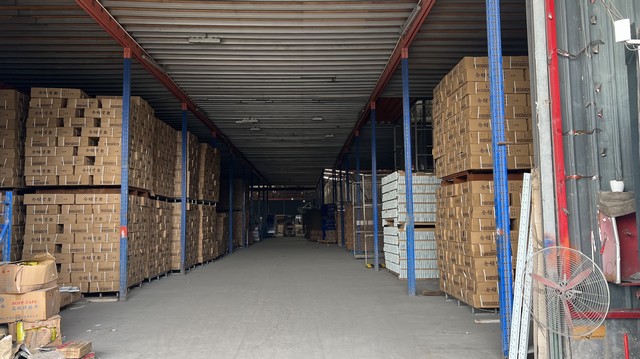
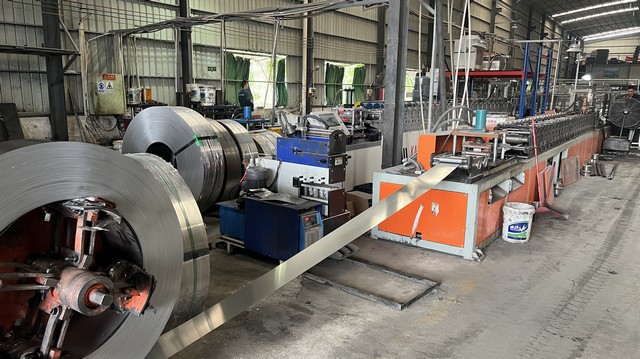
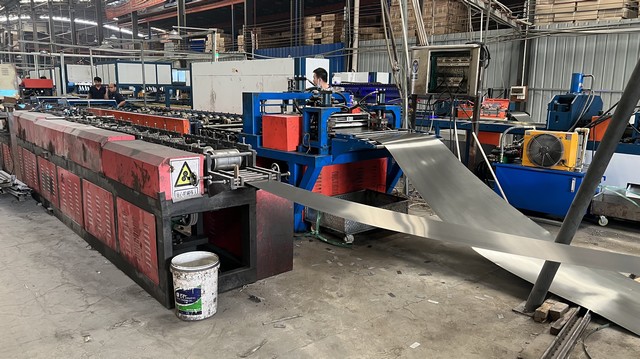
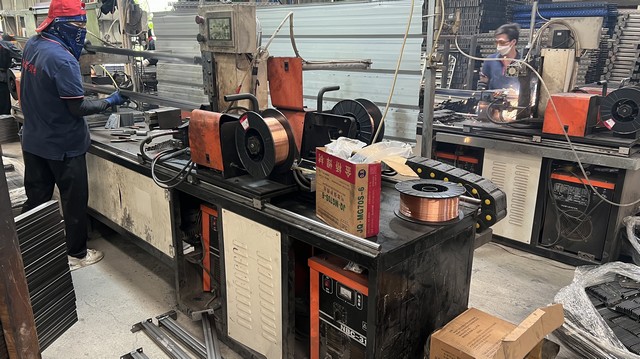
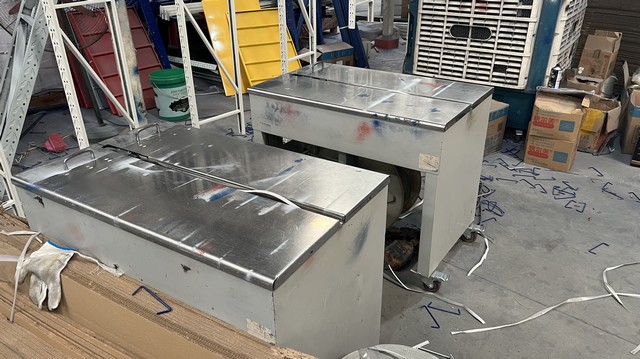
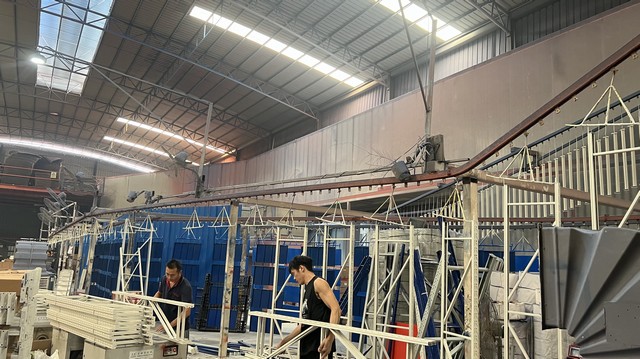
Supporting high-volume distributors, local 3PL firms, and complex industrial programs.
Managing procurement cycles across international borders requires a high degree of transparency and material documentation. Guangzhou Fangjiu Shelf Co., Ltd. combines more than a decade of specialized industrial manufacturing with a robust distribution pipeline. Serving B2B clients in North America, Europe, and Asia, our team ensures that structural drawings, material mill certificates, and shipping schedules are integrated directly into your supply chain workflow.
Our in-house design capabilities feature 25 professional R&D engineers who configure your storage systems to accommodate unique operational parameters, including specialized forklift load limits, anti-fall netting attachments, and column-mounted guard designs. From basic pallet racking systems to multi-tiered steel structures, we adapt raw cold-rolled steel grades into highly reliable industrial assets.
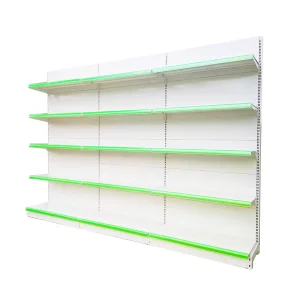
Explore our complete design portfolio for grocery, logistics, retail, and commercial basements.
How automation, IoT racking safety metrics, and eco-friendly coatings shape our future path.
The logistics industry is transitioning toward fully automated supply networks. Racks are no longer passive steel supports; they are structural framework foundations for Automated Storage and Retrieval Systems (AS/RS). Our advanced product line implements tighter deflection metrics (L/240 or L/300) required to interface seamlessly with robotic shuttles, micro-shuttle systems, and high-frequency automated cranes.
Complying with California's strict environmental regulations, including local air quality standards, means our finishing process is engineered for zero-emission operations. Our thermosetting powder coating process recovers 99% of overspray, producing no hazardous VOCs. The resultant finish delivers high salt-spray resistance (ASTM B117 standards), ensuring long-term durability in highly humid, coastal San Francisco microclimates.
Every structural batch undergoes meticulous non-destructive testing and load verification.
Guangzhou Fangjiu Shelf Co., Ltd. implements a strict multi-layer quality management system. Our team of 38 QA/QC inspectors conducts testing on raw sheet coils prior to feed-in. Welds are evaluated using high-frequency Ultrasonic Flaw Detection to locate structural anomalies, guaranteeing absolute load safety at maximum load capacities (ranging from 1000kg to 4000kg per level).
Expert answers addressing structural design, code calculations, and custom sizing options.
 Fangjiu Rack