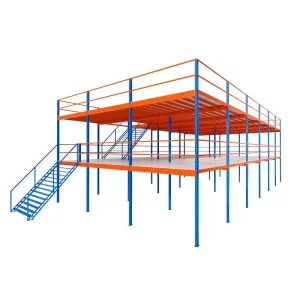
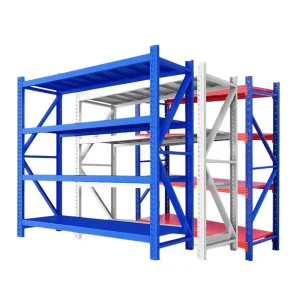
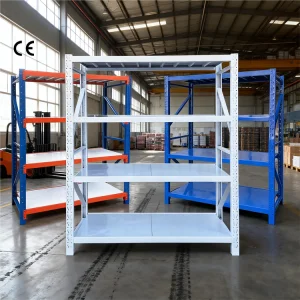
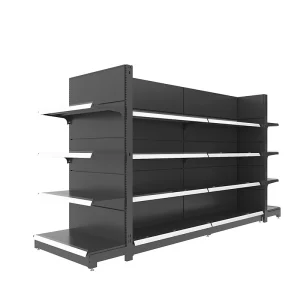
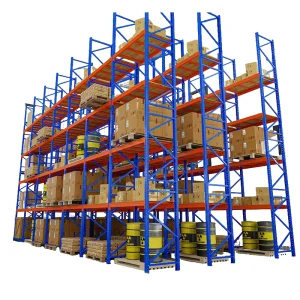
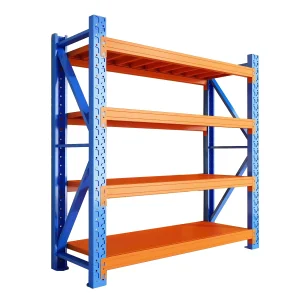
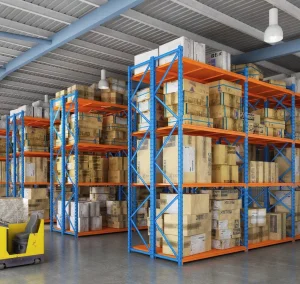
Heavy-duty warehouse structures designed to optimize spatial efficiency and withstand localized tectonic activities across Luzon, Visayas, and Mindanao.
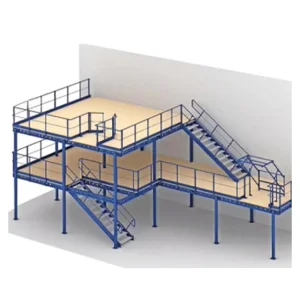
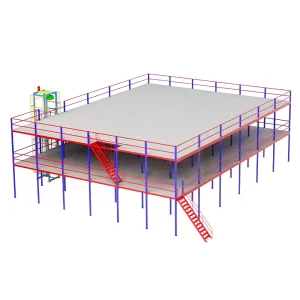
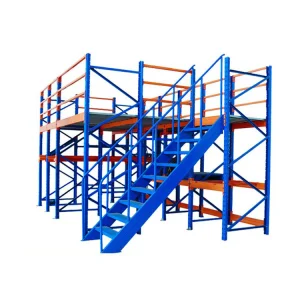
An engineering perspective on structural safety, climate resilience, and supply chain demands in Southeast Asia's fastest-growing logistics hub.
Due to the Pacific Ring of Fire and frequent typhoons, Philippine warehouses require structural racking designed in compliance with the National Structural Code of the Philippines (NSCP) and FEMA guidelines to dynamic seismic zone 4 factors.
With the government's push for agricultural modernization and vaccine cold-storage logistics, high-density racking (like Drive-In or Shuttle systems) must feature superior corrosion resistance to thrive in sub-zero, high-humidity environments.
E-commerce expansion in regional hubs such as Metro Cebu, Clark, and Davao requires fast-turnaround modular warehousing racking systems. Flexible configuration minimizes initial capital expenditure while maximizing floor area utilization.
The macroeconomic landscape of the Philippines is undergoing a monumental transition. Driven by the "Build Better More" infrastructure agenda, industrial developments are expanding outside Metro Manila into Calabarzon, Central Luzon, and the Visayas-Mindanao regions. As land prices rise, warehousing is forced to go vertical. Conventional shelving can no longer handle the density requirements of modern third-party logistics (3PL) providers and large-scale FMCG players.
Additionally, the high humidity levels across coastal Philippine ports (such as Manila Harbour Centre, Batangas Port, and Cebu International Port) mean that inferior-grade steel racking systems degrade rapidly through oxidation. This highlights the absolute necessity of importing certified Q235B or Q355B cold-rolled steel with specialized powder coatings or hot-dip galvanized finishes to secure structural longevity.
Established in 2013, Guangzhou Fangjiu Shelf Co., Ltd. has developed into a premier manufacturer of heavy-duty warehouse racking systems and custom industrial mezzanine platforms. Over a modern facility of more than 35,000 square meters, the company integrates design, engineering, automated manufacturing, and logistics under one roof to serve international B2B buyers.
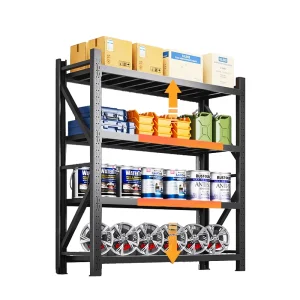
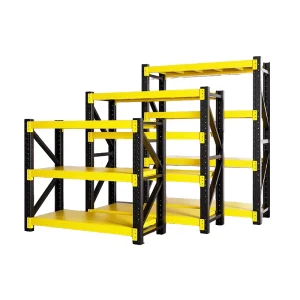
Flexible designs engineered for structural reliability, warehouse efficiency, and heavy load capacities.
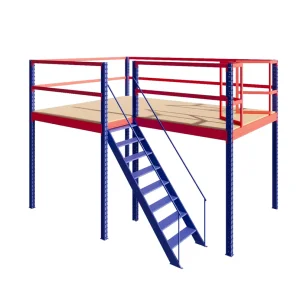
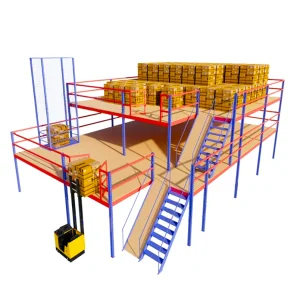
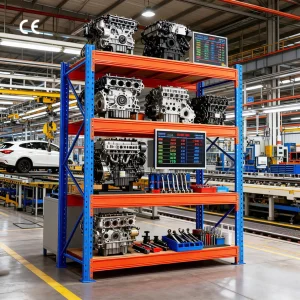
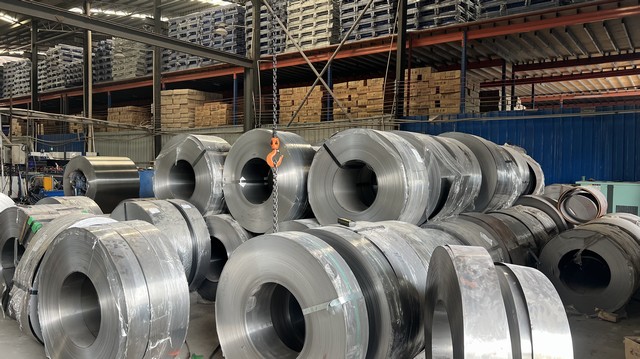
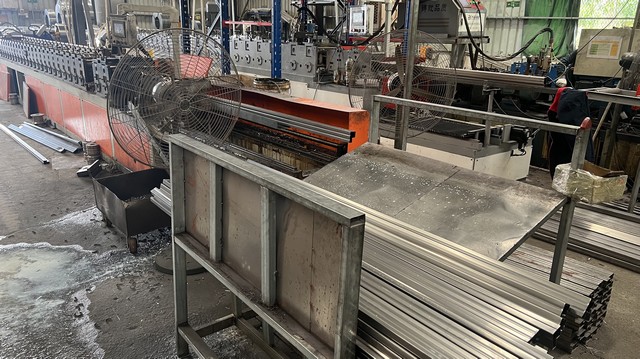
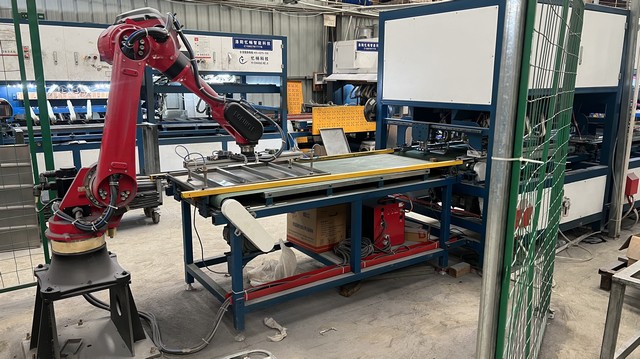
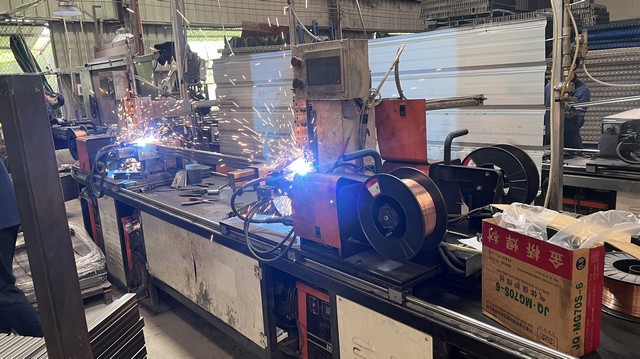
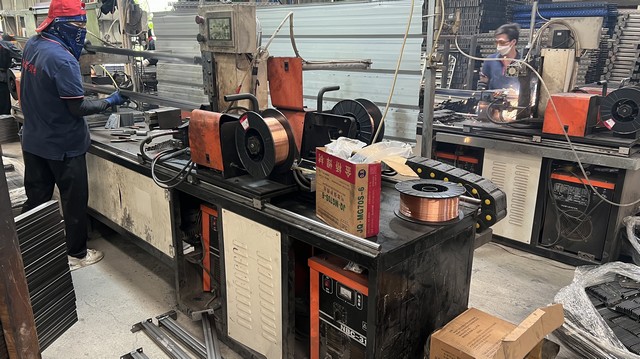
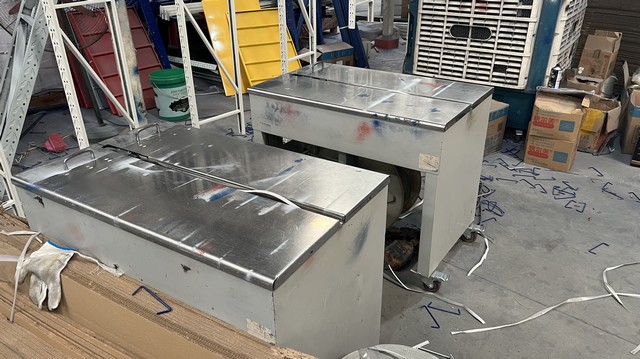
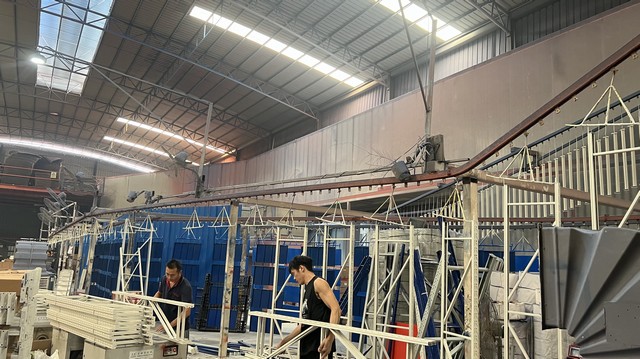
Guangzhou Fangjiu Shelf Co., Ltd.'s automated processing and strict testing lines ensure global supply consistency and structural reliability.
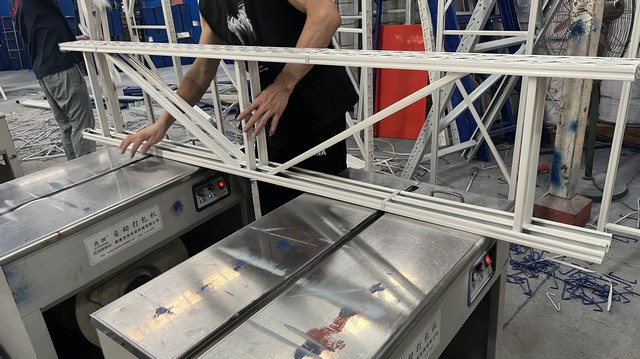
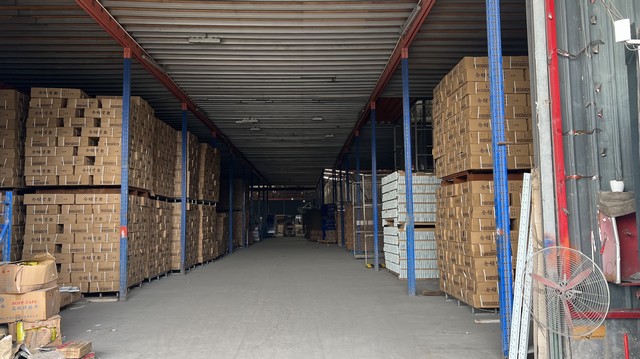
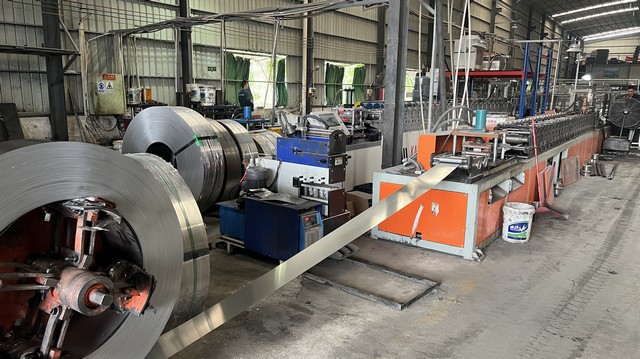
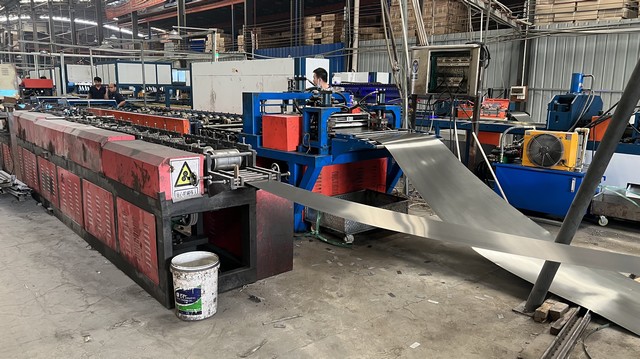
Why structural calculations, material certifications, and intelligent manufacturing matter in modern logistics.
Precision is key to structural safety. Every upright frame and load beam profile produced in our facility goes through automatic continuous rolling mills. This ensures consistency in dimensions, which is vital for calculating exact deflection ratios under heavy loads. Hand-folded steel profiles, which are common with low-cost suppliers, introduce structural stress micro-fractures that reduce total load capacities by up to 35%.
Welding points are critical in structural design. Our factory utilizes OTC robotic welding workstations, ensuring complete weld penetration with zero porosity. Under critical load conditions, structural integrity depends heavily on these connection points. We back this with non-destructive ultrasonic testing (NDT) to verify that every weld meets global ISO 9001 and CE requirements.
For operations in tropical regions like Southeast Asia, humidity is a major factor. Our automatic electrostatic powder coating line runs a multi-stage pre-treatment wash to remove surface impurities, followed by a durable epoxy-polyester coating. For cold-storage or outdoor applications, we supply hot-dip galvanized components (meeting EN ISO 1461 requirements) to provide complete protection against corrosion.
Our engineering team uses advanced FEM (Finite Element Method) software to simulate earthquake accelerations and structural loading conditions. This ensures that every racking project delivered to the Philippines complies with localized safety indices, protecting both your workforce and inventory investments.
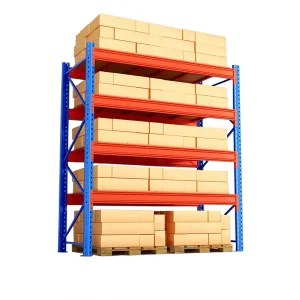
Explore our full line of heavy-duty pallet racking, custom platforms, and warehouse shelving options.
Technical answers to help logistics managers and procurement professionals source industrial racking systems.
 Fangjiu Rack