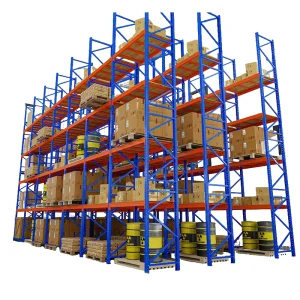
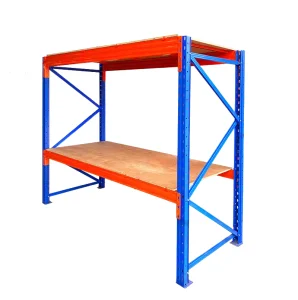
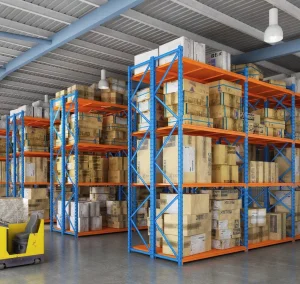
The city of Riyadh is rapidly transforming into one of the most critical logistics hubs in the Middle East. Driven by the ambitious goals of Saudi Vision 2030, the region is witnessing unprecedented demand for modern, high-density warehousing space. With major investments poured into logistics zones near King Khalid International Airport (KKIA), the Al-Sulay industrial area, and Mishal district, enterprises are searching for heavy-duty structural shelving capable of handling immense physical loads while optimizing footprint usage.
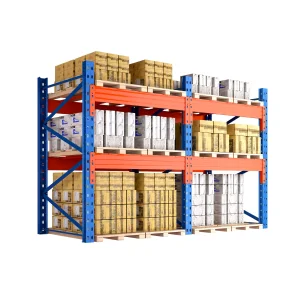
In this high-growth ecosystem, the optimization of storage volume is no longer just a structural choice; it is a critical driver of logistics efficiency. Modern logistics demands high-density, vertical layouts such as Very Narrow Aisle (VNA) systems, drive-in pallet racks, and structural cantilever options that can maximize the use of vertical clearance. By utilizing high-yield strength steel profiles, industrial warehouses in Saudi Arabia can double their storage capacity without modifying their horizontal building footprint, significantly offsetting the rising costs of industrial real estate in Riyadh.
Guangzhou Fangjiu Shelf Co., Ltd. leverages state-of-the-art Chinese manufacturing efficiencies to supply the Riyadh market with structural steel racking systems that meet the rigorous technical and budgetary demands of modern engineering. Since our establishment in 2013, we have optimized our supply chain by using high-grade cold-rolled steel (predominantly Q235B and Q345B) sourced from domestic steel producers, ensuring structural reliability under heavy load stress.
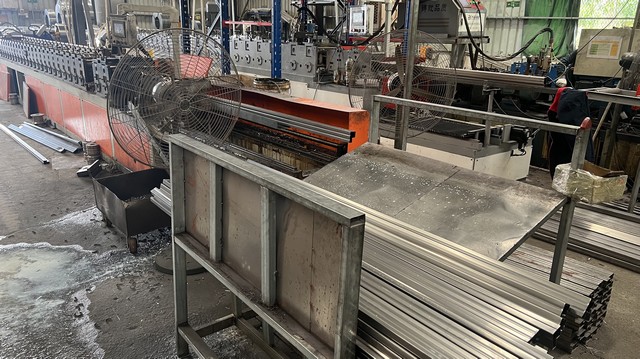
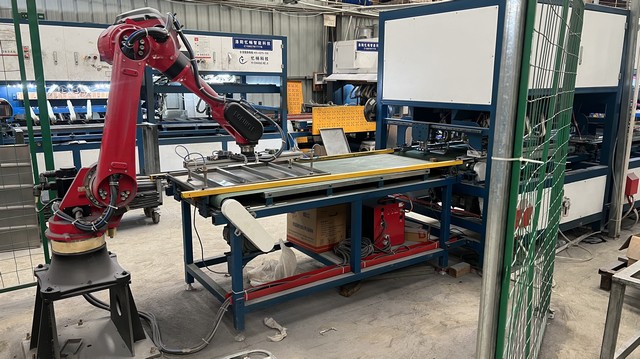
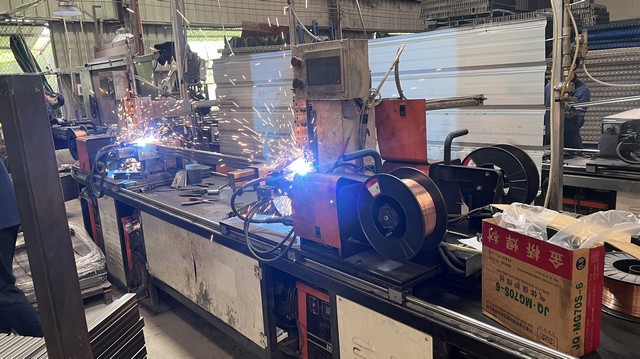
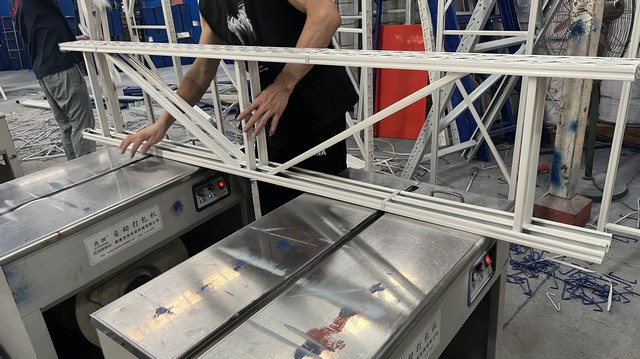
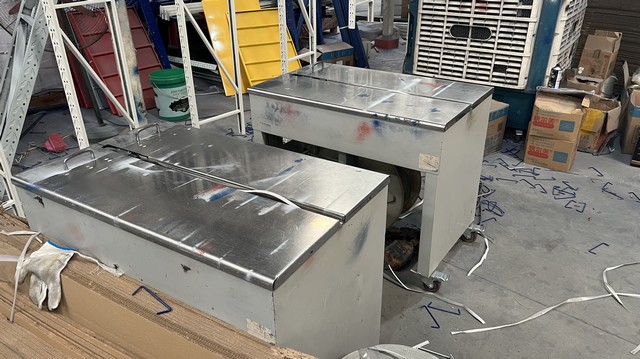
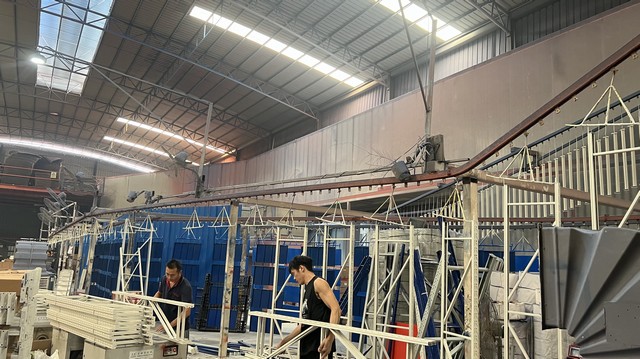
Our 35,000-square-meter facility features fully automated rolling production lines, robotic MIG welding stations, and an advanced electrostatic powder coating plant. By keeping design, fabrication, testing, and coating processes in-house, we achieve strict cost control, precise tolerance margins, and rapid lead times. This vertical integration allows us to offer custom-engineered OEM/ODM shelving systems at a significantly lower cost per pallet position compared to local Middle Eastern distributors, without compromising structural integrity or corrosion resistance.
Engineers designing storage facilities in Saudi Arabia must account for specific local variables that affect structural longevity and safety. Our racking systems are designed with high-durability details tailored for Riyadh:
| Racking Component | Standard Specification | Premium Configuration (High-Capacity) | Compliance Reference |
|---|---|---|---|
| Upright Column Profiles | 80mm × 60mm × 1.8mm | 100mm × 80mm × 2.5mm / 120mm × 95mm × 3.0mm | AS 4084-2012 / RMI Standards |
| Box Beam Sizes | 80 × 50 × 1.5mm (Double Box) | 120 × 50 × 1.5mm / 140 × 50 × 2.0mm | EN 15512 Structural Steel Design |
| Steel Grade Selection | Q235B Structural Mild Steel | Q345B High-Yield Alloy Steel (For Sub-Zero Cold Store) | GB/T 1591 Standard |
| Surface Protection | 60-80 Microns Electrostatic Powder | Hot-Dip Galvanized (Min. 85 Microns Thickness) | ISO 1461 Galvanized Spec |
| Safety Factor Ratio | 1.5 to 1 Safety Factor | 1.8 to 1 Safety Factor (Custom Heavy Industry Projects) | FEM 10.2.02 Design Guidelines |
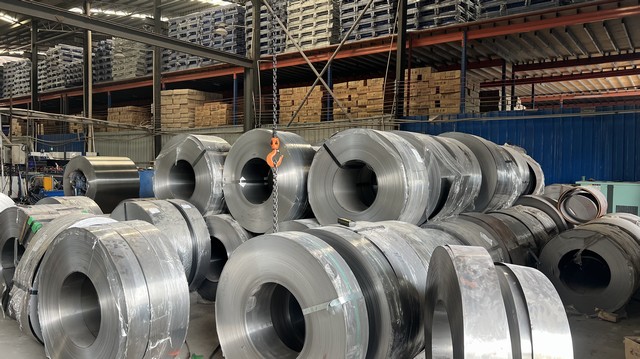
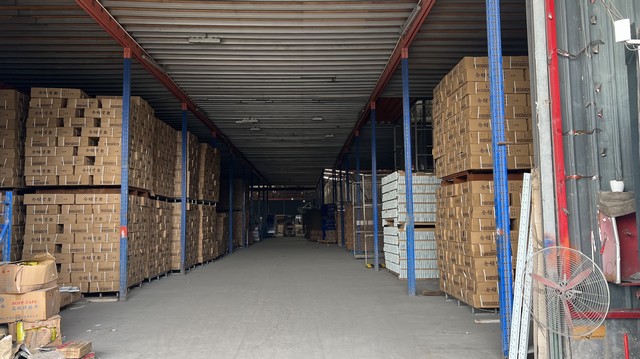
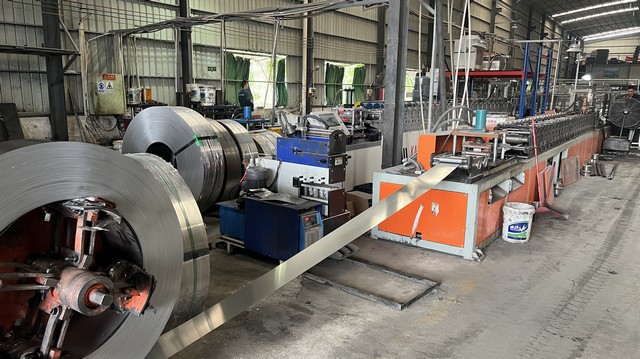
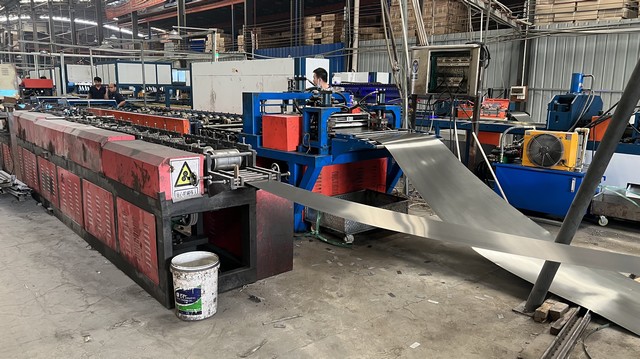
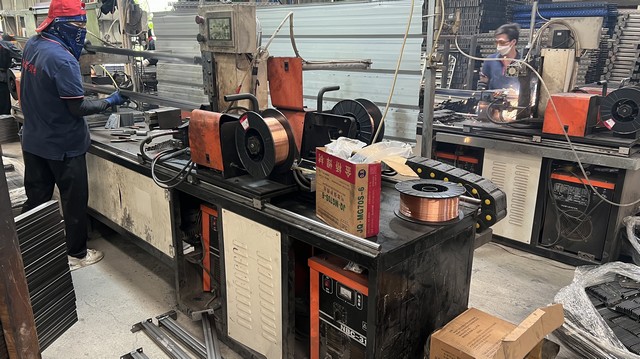
Navigating cross-border freight from manufacturing hubs in Guangdong, China to final job-sites in Riyadh's industrial zones requires specialized shipping experience. Guangzhou Fangjiu Shelf Co., Ltd. provides a streamlined export structure. We manage the procurement lifecycle from drafting shop drawings in CAD to issuing SASO Certificates and loading container consignments bound for Saudi ports.
Our export documentation team handles the KSA SABER portal validation. We register products, upload verified lab testing reports, and secure the necessary Product Certificate of Conformity (PCoC) and Shipment Certificate of Conformity (SCoC). This strict administrative diligence minimizes delays at the Port of Dammam (King Abdulaziz Port) and Jeddah Islamic Port, expediting transit via the Dammam-Riyadh railway or overland freight lanes directly to your warehouse yard.
As Riyadh advances its industrial infrastructure, modern warehouse operators are shifting from manual forklift handling to semi-automated and fully automated storage systems. This includes high-density radio shuttle racking, which uses robotic carts to move pallets inside deep lanes, and complex Automated Storage and Retrieval Systems (AS/RS). Our high-precision racking components are manufactured with tight tolerances (complying with FEM 10.2.02 specifications) to ensure smooth interface with stacker cranes, conveyor lines, and automated guided vehicles (AGVs).
Our structural engineers perform custom finite element analysis (FEA) based on the Saudi Building Code (SBC 301 and 303). We provide complete calculation books details, including seismic load coefficients specific to Riyadh, to secure rapid Civil Defense approval for your storage installation.
Every racking unit we ship is pre-registered on the SABER platform. We supply full testing documentation—such as raw material mill test certificates, load testing reports, and ISO quality management approvals—to issue the required Shipment Certificates (SCoC) without delay at Saudi customs.
Yes. For cold storage facilities in Riyadh (designed down to -30°C), we utilize high-yield strength Q345B steel, which maintains ductility at low temperatures, and apply specialized powder coating systems to prevent condensation corrosion.
Manufacturing typically requires 15 to 25 days depending on the structural scope. Sea freight transit from Guangzhou/Nansha ports to Dammam Port takes approximately 18 to 22 days, followed by inland haulage to Riyadh within 2 to 3 days.
We supply complete CAD installation drawings and step-by-step documentation. For larger projects in Riyadh, we can coordinate third-party certified installation teams. Additionally, we provide critical safety accessories, including heavy-duty upright column guards, frame barriers, mesh decking, and backstop beams.
 Fangjiu Rack