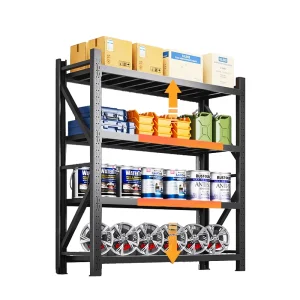
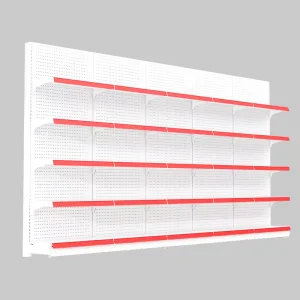
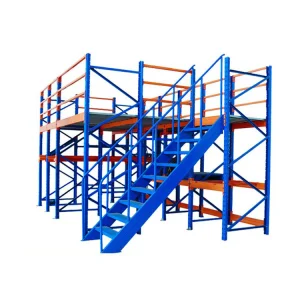
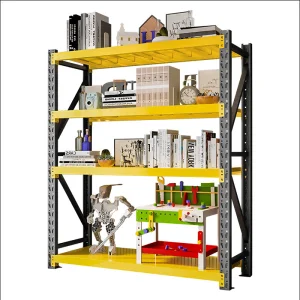
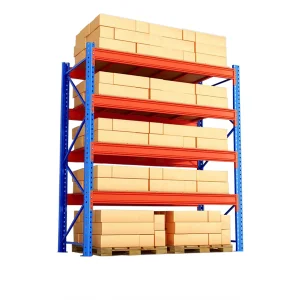
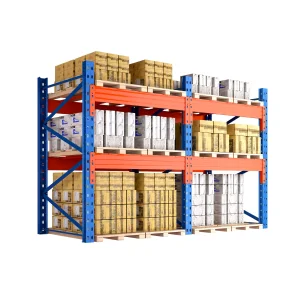
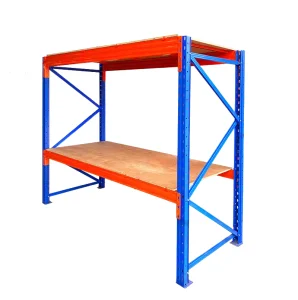
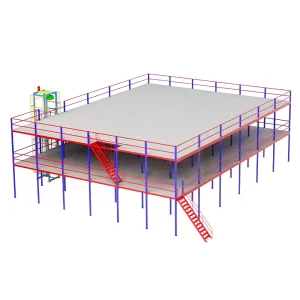
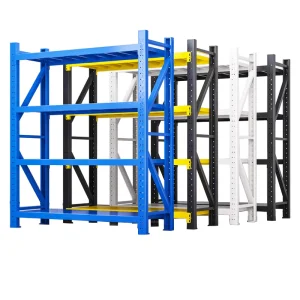
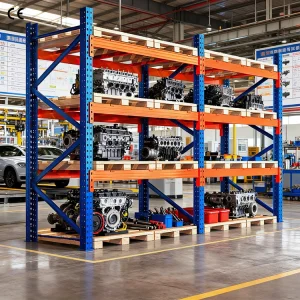
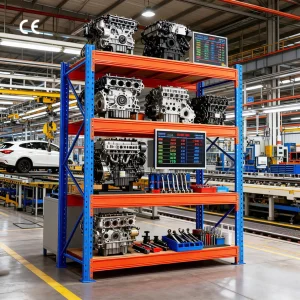
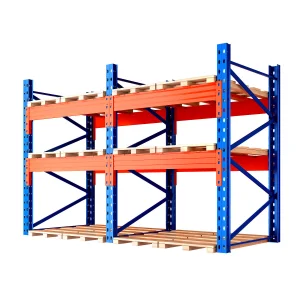
Industrial logistics is undergoing a paradigm shift. Standard static shelving systems are no longer sufficient to meet the speed and throughput demands of modern B2B supply chains. Today's global manufacturers and 3PL warehousing companies are increasingly looking for high-capacity storage trolleys and modular racking systems to bridge the gap between static storage nodes and dynamic delivery paths.
Driven by rapid e-commerce expansion, automated order picking systems, and lean factory initiatives, the reliance on high-durability, structural-grade steel trolleys has skyrocketed. Heavy machinery facilities, pharmaceutical cleanrooms, cold-chain distribution terminals, and high-density automotive assembly units require bespoke mobile units capable of supporting load dynamics up to 2000kg while maintaining roll stability and mechanical integrity.
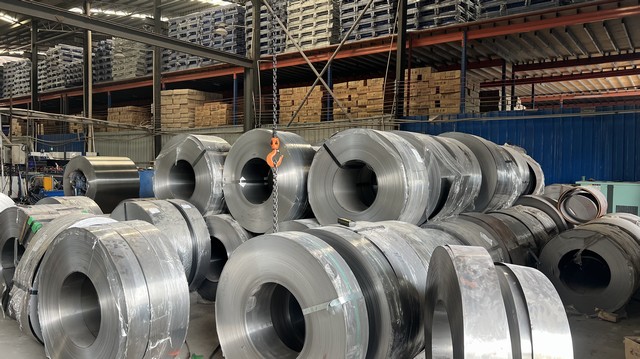
As a leading storage systems and trolley manufacturer, we prioritize cold-rolled steel structures designed with advanced mechanical tolerances. Selecting the correct steel grading (such as high-tensile Q235B or Q355B structural carbon steel) determines the deflection ratios and fatigue lifespan of heavy-duty trolley frames under dynamic loads.
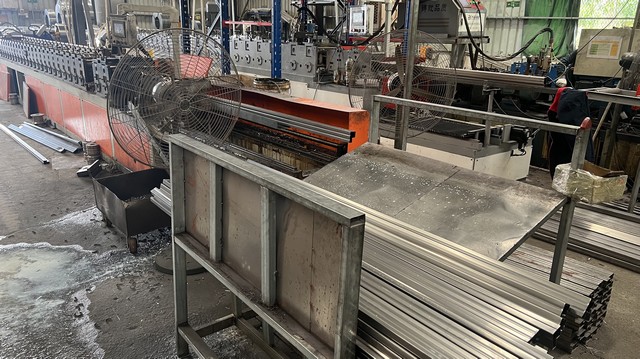
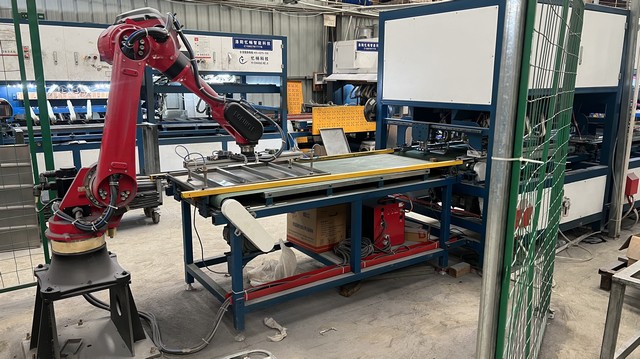
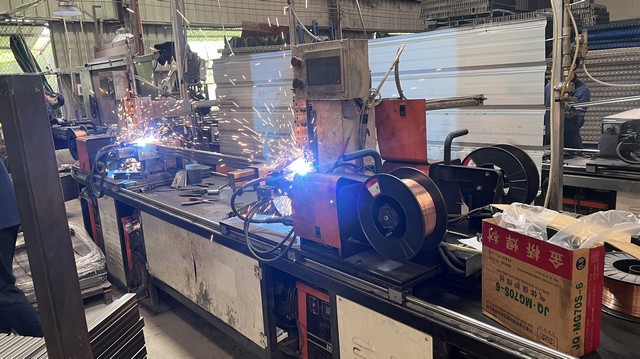
Established in 2013, Guangzhou Fangjiu Shelf Co., Ltd. is a premier structural manufacturing enterprise specializing in heavy-duty warehouse racking systems, automated industrial shelving, and bespoke material handling storage solutions.
Our dedicated quality assurance division enforces rigorous verification standards. Utilizing high-resolution structural tests—including Ultrasonic Flaw Detection for deep welds, Salt Spray Corrosion Chambers for epoxy durability, Automated Powder Coating Thickness Measurement, and Full Load Stress & Deflection Testing—we ensure every racking system and mobile storage unit complies with ISO 9001 and international safety standards. With 25 R&D engineers driving design innovation, we launched 150+ new structural components last year alone.
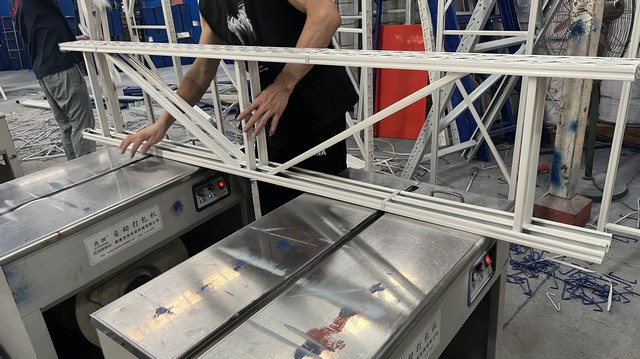
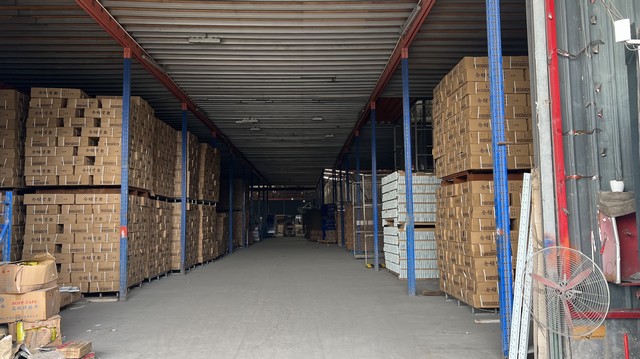
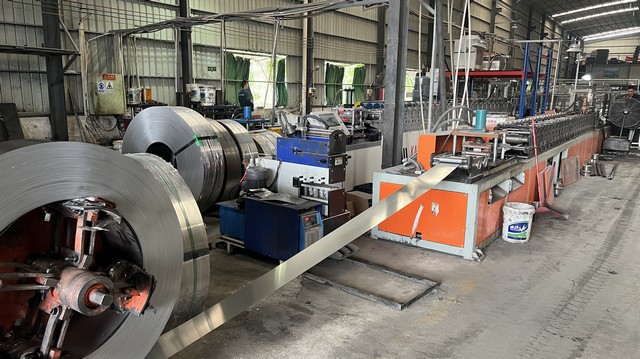
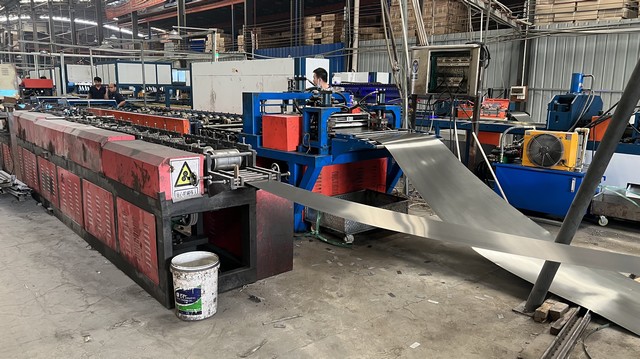
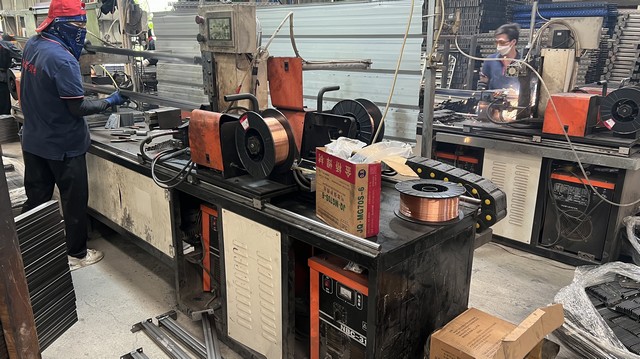
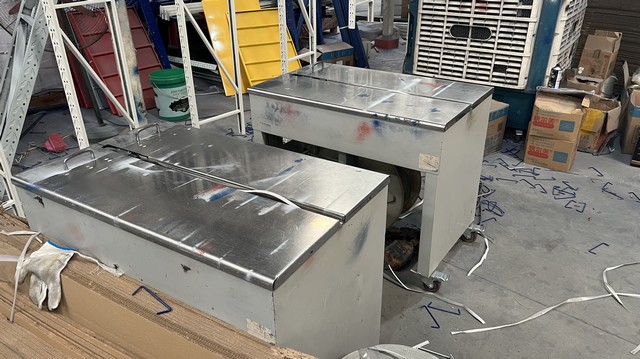
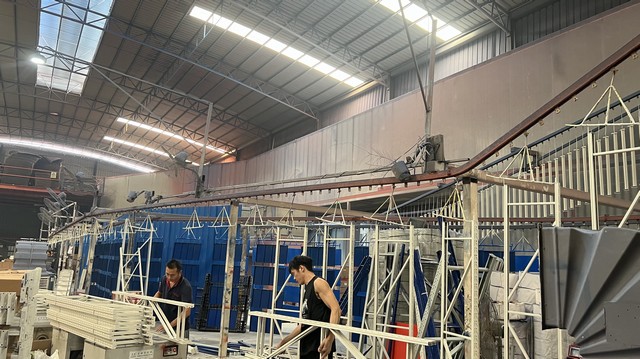
Heavy assembly lines demand mobile parts-feeding bins and custom-engineered heavy-duty trolleys. Our solutions incorporate drop-down gate access, high-impact base plates, and shock-absorbing tow bars for automated guided vehicle (AGV) or manual line feeding.
High-frequency warehouse logistics require multi-tier picking carts optimized for fast picking paths. Lightweight yet structurally stable, these trolleys can be integrated with barcodes, RFID mounting brackets, and shelf partitions for swift batch segregation.
Corrosion resistance is crucial in temperature-sensitive cold storage and clinical cleanrooms. Stainless steel (SUS304/316) designs and specialized antimicrobial chemical powder coatings ensure total sterilization compatibility and no outgassing.
Our engineering focus extends past structural assembly. We research micro-innovations to build smart, ergonomic, and green logistic units.
Integrating telemetry brackets and quick-release hitch couplers directly into the chassis. This allows seamless tracking within Smart Warehouses and enables fleets of manual trolleys to transition into AGV tow-train networks.
Applying advanced FEM stress simulation during the design phase. This optimizes structural sheet thicknesses and identifies stress concentrations under simulated dynamic loads, preventing field weld failures.
Utilizing lead-free, non-toxic thermosetting epoxy powder coatings. This formulation increases resistance to mechanical abrasion, moisture, and ultraviolet exposure while meeting modern ESG corporate purchasing criteria.
B2B procurement of warehouse systems requires evaluating multiple variables to ensure longevity and minimal total cost of ownership (TCO). Standard procurement checklists must verify materials, load calculations, coating processes, and regulatory certifications.
A common mistake is selecting equipment based purely on static load limits. Dynamic loading occurs when a fully loaded trolley is in motion, encountering floor joints, expansion plates, or slopes. A trolley rated for 1500kg static weight may fail at 800kg dynamic load if the structural welds lack flexural strength. Always request dynamic load test reports with deflection metrics.
Surface treatment directly determines resistance to wear, mechanical scrapes, and moisture. Industrial racking and trolley surfaces should undergo multi-stage pretreatments (acid pickling, phosphating) prior to electrostatic powder coating. This prevents underground rust propagation under the polymer coat if the surface is scratched during daily warehouse operations.
Verify that the manufacturer operates under an ISO 9001 certified Quality Management System. Additionally, structural steel racking must comply with global performance standards such as EN 15512 for steel static storage systems, FEM 10.2.02 for European warehouse designs, and ANSI/MH16.1 for American racking safety specifications.
 Fangjiu Rack