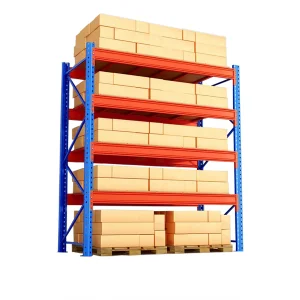
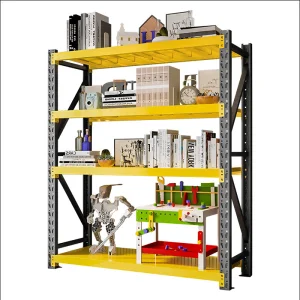
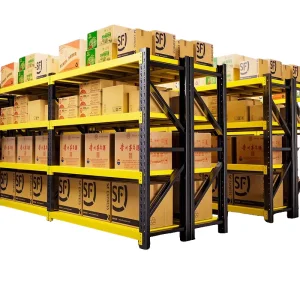
Engineered cold-rolled steel racks and heavy-duty logistics shelves designed to industry standards.
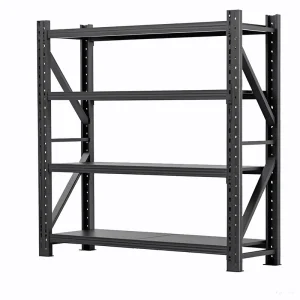
Modern logistics centers, cold chains, and manufacturing facilities face unprecedented demands for spatial density and operational efficiency. Driven by rapid B2B global commerce expansion and third-party logistics (3PL) integrations, material handling solutions have progressed from basic warehousing storage structures to highly engineered structural systems that maximize vertical volume.
Compliance, material fatigue limits, and localized seismic protection are crucial benchmarks for modern industrial planners. Using structural analysis models like finite element analysis (FEA), designers ensure racks withstand severe static and dynamic stresses.
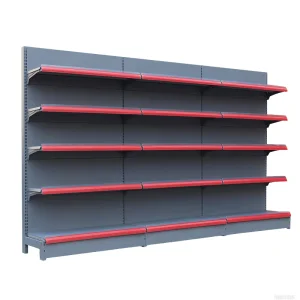
Optimized structural layout configurations tailored for diverse commercial storage systems.
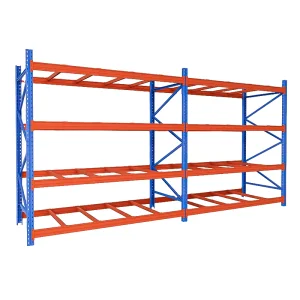
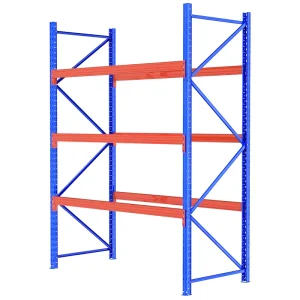
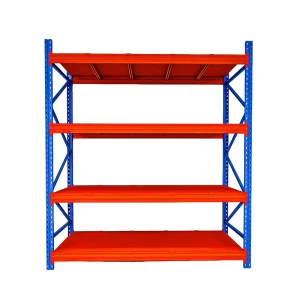
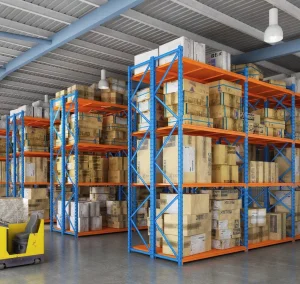
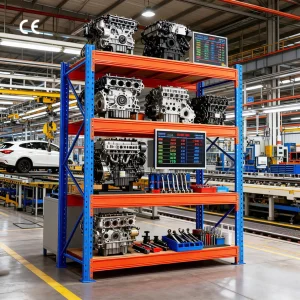
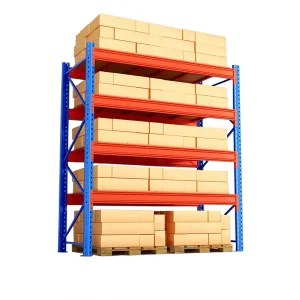
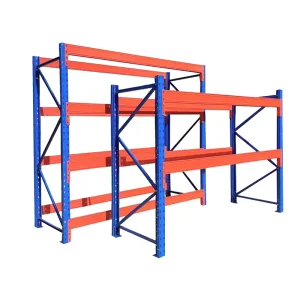
Engineered using beam-type locking configurations, our heavy-duty industrial selective racking facilitates immediate 100% accessibility to stored pallets. Compatible with standard forklifts, reaches, and VNA options, these systems are constructed using cold-rolled steel profiles with customizable load thresholds up to 4000kg per beam level.
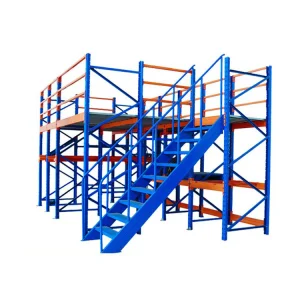
Transform vertical volume into usable workspace. Custom heavy-duty steel platform shelves and multi-layer lofts utilize cold-rolled load-bearing beams and structural deck configurations. These systems allow safe, multi-level foot traffic and light-machinery operations while storing heavy raw material loads below.
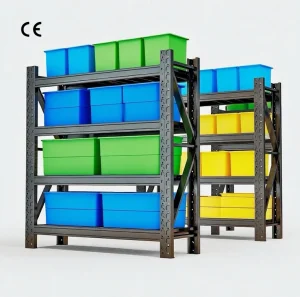
Ideal for storing long, irregular cargo like metal tubing, lumber, and extrusions. Constructed from high-tensile cold-rolled steel, the arm profiles allow vertical adjustments to adapt to varying load heights. Paired with heavy-duty stackable metal racks, they maximize space utilization in changing storage environments.
35,000 square meter modern manufacturing facility equipped with automated precision lines.
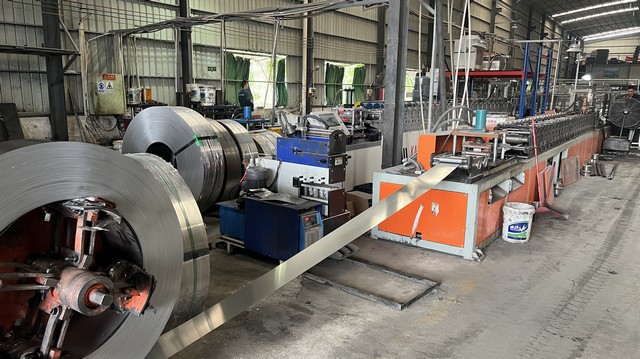
Established in 2013, Guangzhou Fangjiu Shelf Co., Ltd. is a leading manufacturer specializing in heavy-duty warehouse racking systems, industrial shelving, and customized storage solutions. We integrate raw material processing, automated profiling, robotic welding, and specialized surface treatment under one roof to ensure structural safety and product longevity.
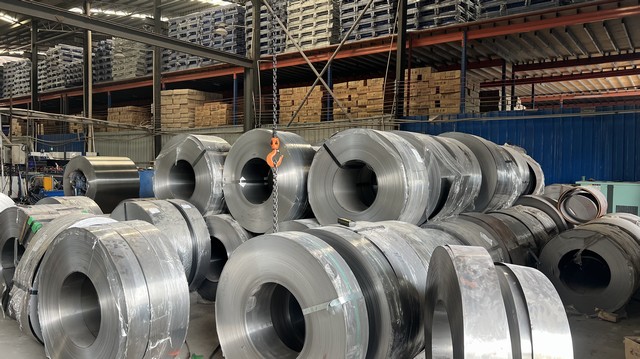
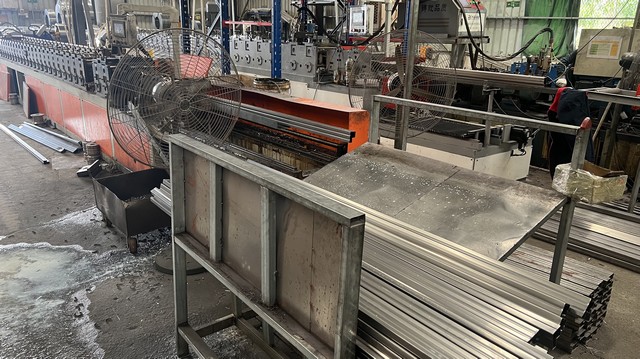
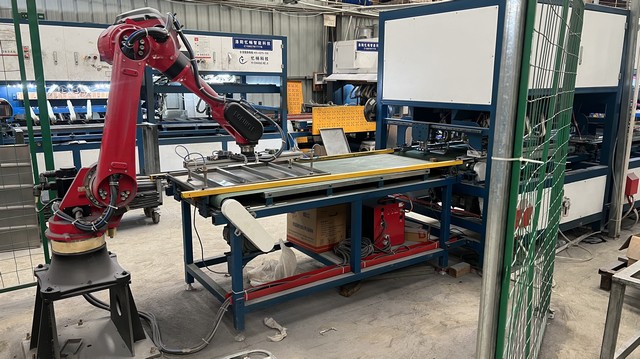
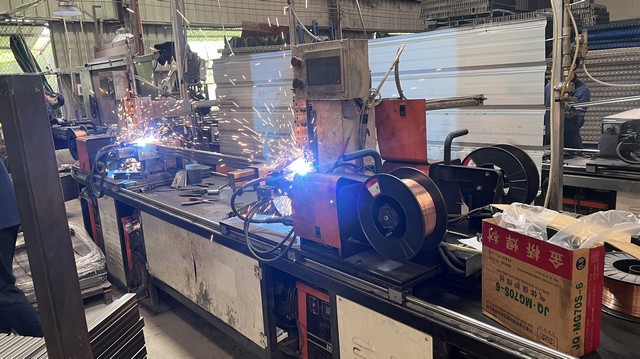
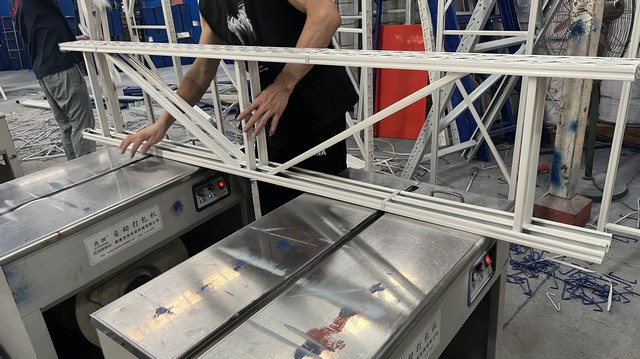
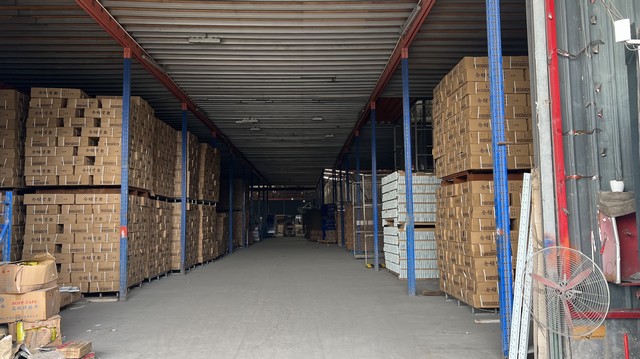
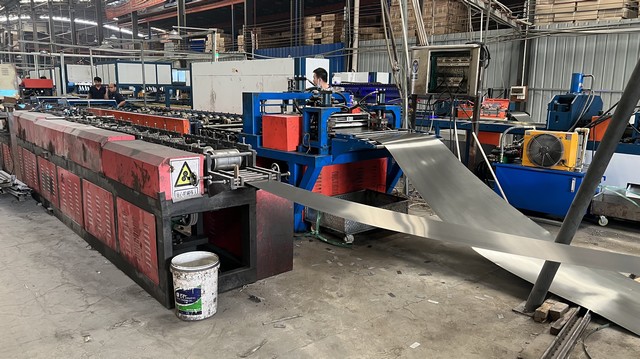
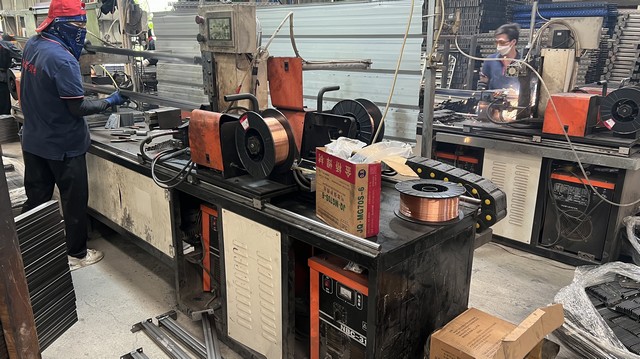
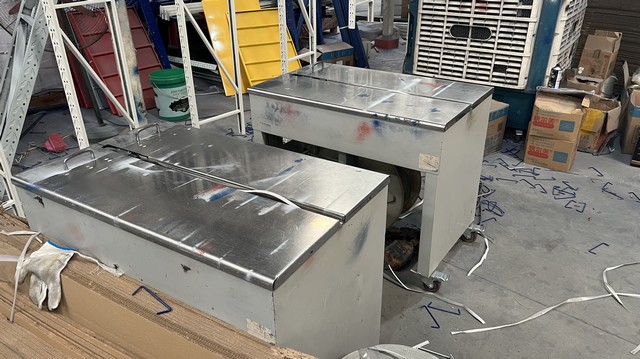
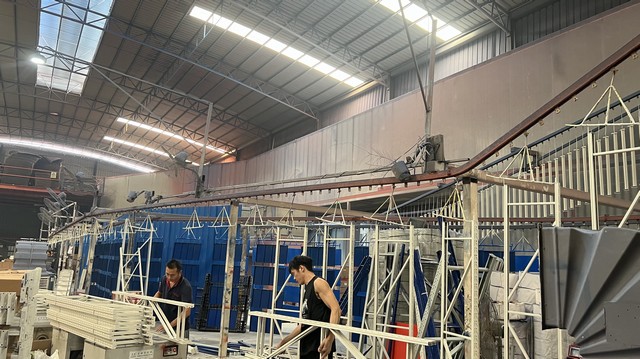
Utilizing state-of-the-art electrostatic powder deposition technologies, our coating lines achieve consistent film thickness (60-90 microns). Followed by thermal curing at 200°C, the resulting finish provides heavy-duty corrosion and scratch resistance, ensuring durability in demanding industrial warehouses.
Advanced engineering structures built to meet safety norms and load requirements.
Every racking upright is fabricated using Q235B or Q345B steel grades. Our engineering process features specialized punch configurations along structural channels to ensure consistent load distribution, reducing stress concentration points at connector pins.
Our Quality Assurance team of 38 inspectors uses advanced testing protocols, including ultrasonic weld verification, salt spray testing for corrosion resistance, and structural deflection tests. Design evaluations are performed up to 1.5 times the rated load capacity limit to verify stability.
We design and engineer our structural systems to integrate with dynamic warehouse automation. Tight dimensional control allows seamless operation with high-speed automated storage/retrieval systems (AS/RS), shuttle lines, and automated guided vehicles (AGVs).
Heavy-duty structural storage configurations tailored for heavy loads and high-density warehouses.
The safety and reliability of industrial racking systems depend heavily on the mechanical properties of their raw steel components. At Guangzhou Fangjiu Shelf Co., Ltd., we source certified cold-rolled steel coils, prioritizing high tensile strength and ductility. Structural elements are primarily fabricated using Q235B and Q345B grade structural steels, which offer an optimal balance of yield strength and elongation. This ensures the structures can deform safely without sudden collapse under unexpected stress loads.
During raw material preparation, steel thickness is measured using digital micrometer systems. Standard roll-formed profiles are subjected to strict tolerance controls. Maintaining precise thickness across the profile is vital, as even a 0.1mm deviation in steel thickness can impact the load-bearing capacity of upright posts under high load pressures.
Modern material handling solutions require site-specific adjustments, particularly in seismic zones. Designing structures for seismic-active regions involves calculating horizontal forces, ground acceleration values, and overturning moments.
To address these conditions, we design and produce enlarged steel floor footplates, dual-anchor configurations, and cross-bracing structures. Diagonal structural supports are bolted to vertical posts to form geometric trusses, redistributing dynamic energy from ground movements and minimizing lateral sway. By analyzing load deflection limits (typically capped at L/200, where L represents beam span), we ensure systems remain stable under full operational loads.
In facilities like cold storage units or chemical logistics centers, exposure to moisture and corrosive agents can lead to rust and compromise structural integrity. Our advanced multi-stage finish includes cleaning, acid-wash surface preparation, iron-phosphate coating, and electro-deposition powder coating.
The electrostatic powder coating line applies a 60 to 90-micron thick layer of impact-resistant epoxy. The coated profiles are cured in computerized ovens at 200°C. This creates a hard, scratch-resistant surface barrier that protects the underlying steel from rust and damage during daily forklift loading operations.
Important engineering and compliance questions answered by our technical staff.
 Fangjiu Rack