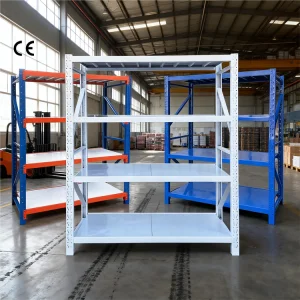
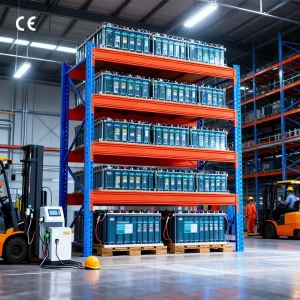
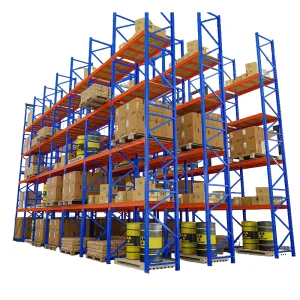
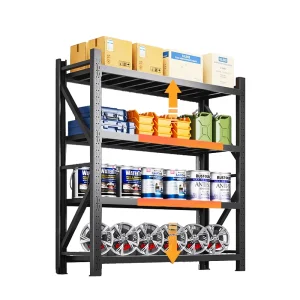
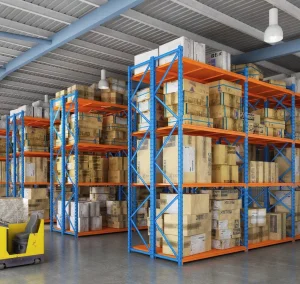
In the globalized logistical landscape, warehouse floor space has transformed into premium real estate. Modern enterprise buyers are no longer looking for mere "shelves"; they seek highly calculated Industrial Shelving Systems engineered to optimize vertical density, guarantee workplace safety, and withstand seismic forces. As a premier manufacturer, Guangzhou Fangjiu Shelf Co., Ltd. resolves the fundamental architectural challenges of 21st-century warehousing.
By shifting from static storage layouts to dynamic, high-density configuration racking systems, organizations can reclaim up to 60% of lost floor space. Our structural steel systems are developed to facilitate optimized inventory control processes, supporting First-In, First-Out (FIFO) and Last-In, First-Out (LIFO) configurations while ensuring that structural integrity remains uncompromised over decades of continuous forklift loading operations.
Every shelving component undergoes rigorous finite element analysis (FEA) to determine stress concentration areas and safe load parameters. By using high-yield Q235 and Q355 steel, our assemblies display high ductility and structural memory, ensuring they absorb dynamic impact forces without catastrophic failure.
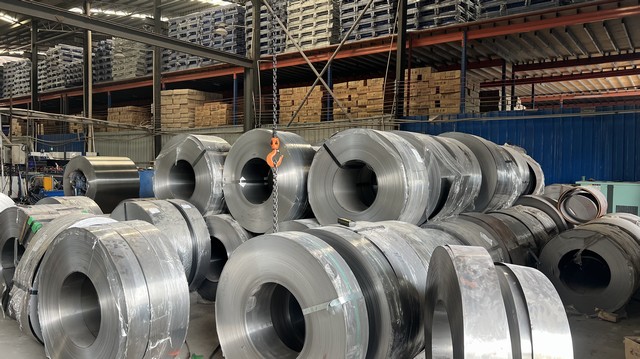
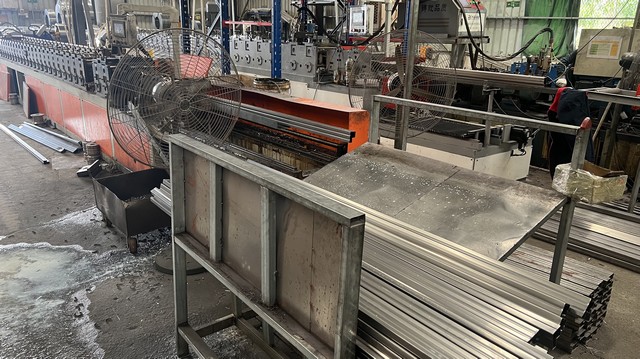
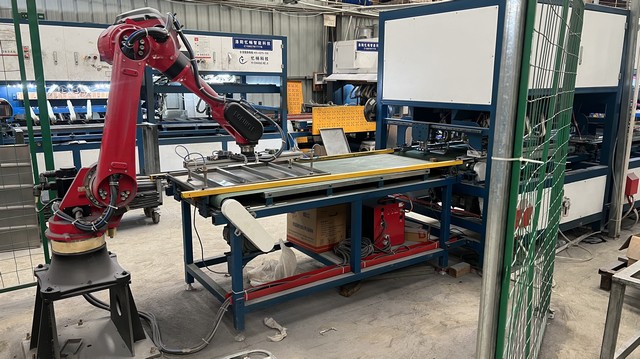
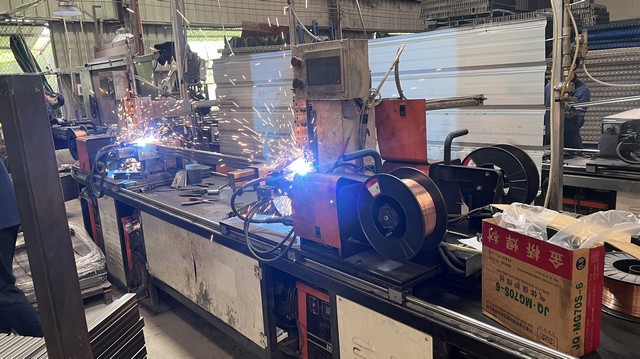
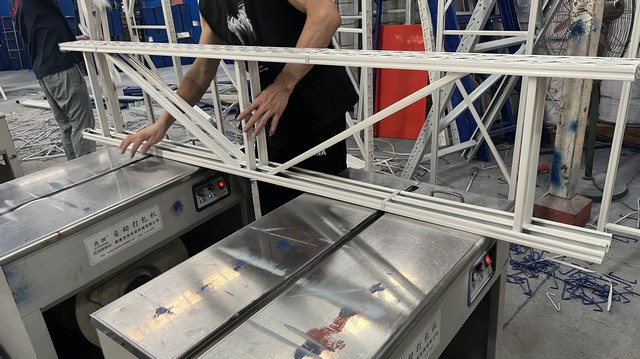
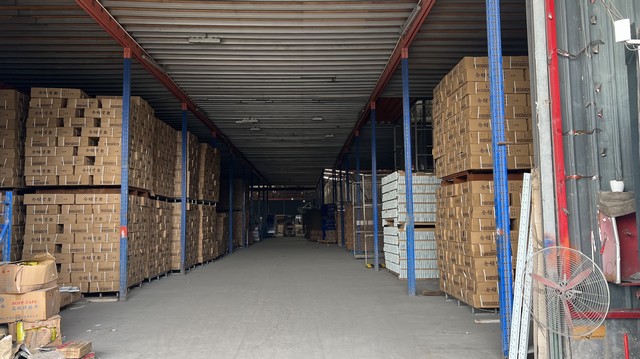
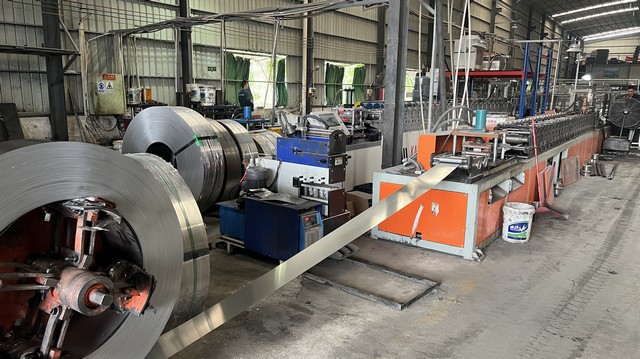
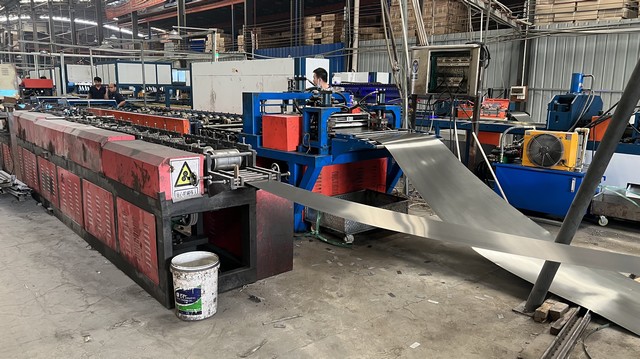
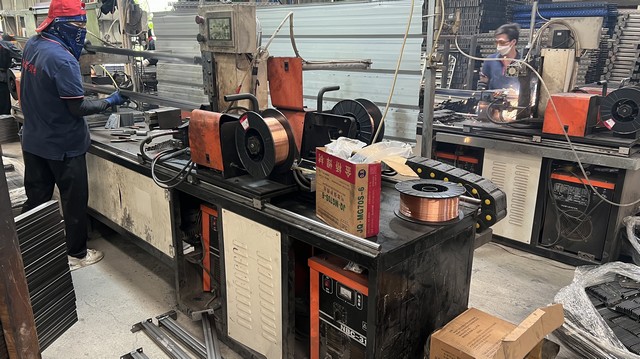
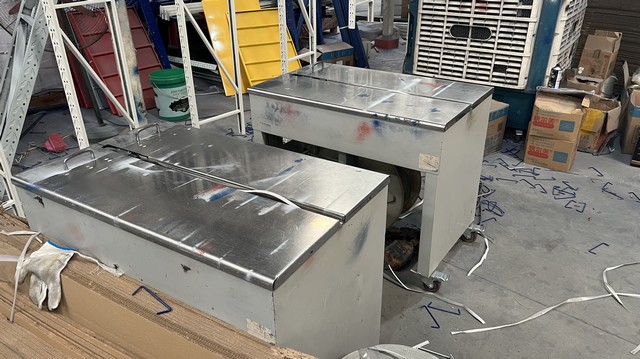
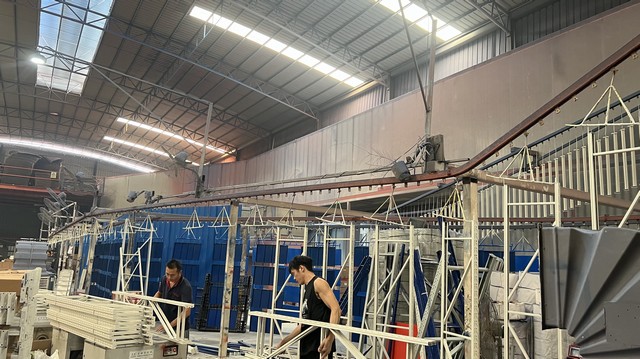
Established in 2013, Guangzhou Fangjiu Shelf Co., Ltd. has developed into a preeminent manufacturer specializing in heavy-duty warehouse racking systems, industrial shelving, and customized spatial storage designs. Spanning an advanced facility of over 35,000 square meters, we integrate raw material processing, automated cold rolling, robotized structural welding, and electrostatic powder coating under one roof.
We deploy a dedicated quality assurance division comprising 38 certified QC inspectors. They implement multi-stage checks covering incoming steel grade certification, cold-forming geometric tolerances, weld-penetration mapping, and powder coating curing thickness. All of our engineering protocols are aligned with ISO 9001 and global industrial storage standards.
With 10 years of domestic industrial expertise and 7 years of active global export services, we empower partners to customize loading beam capacities, upright profiles, structural decking types, and anti-seismic characteristics. Over the past calendar year alone, our R&D engineering division successfully commercialized over 150 proprietary design structures for global logistics operators.
Procuring storage infrastructures directly from a vertically integrated Chinese manufacturer offers unparalleled structural, financial, and logistics-related competitive advantages.
Our strategic placement within China's steel manufacturing corridor enables instant, high-volume sourcing of premium Q235 and Q355 structural steel. This guarantees stable mechanical properties (yield and tensile strength) and isolates procurement operations from global market price fluctuations.
By operating automated cold-roll forming lines, high-speed robotic welding matrices, and continuous electrostatic paint lanes, we significantly lower per-unit manufacturing costs. These savings are passed directly to our enterprise B2B partners via highly competitive pricing models.
Located in Guangzhou, our manufacturing facility benefits from immediate access to the major deepwater ports of Guangzhou, Shenzhen, and Hong Kong. This enables streamlined container loading, simplified custom clearances, and reduced maritime shipping durations to global hubs.
B2B logistics developers face massive structural risks when sourcing high-volume racking. Common pain points include substandard welding leading to structural collapse, poor paint prep resulting in oxidation rust, and delays causing idle warehouses. Guangzhou Fangjiu Shelf Co., Ltd. mitigates these risks with strict compliance tracking and end-to-end trace documentation.
Global procurement managers must balance structural safety, spatial optimization, and long-term asset lifecycle costs. Substandard racking products not only risk product damages but pose major occupational health hazards.
Our company guarantees reliable operations by deploying 3D structural simulation software to model layouts prior to metal cutting. We verify load-bearing capacity thresholds, validate standard beam deflection limits (not exceeding L/200), and test connections to ensure stability. This ensures our clients receive systems certified for high-intensity, multi-shift warehouse environments.
To establish absolute reliability, we perform structural validation testing across all stages of production. Here are the five primary engineering assessments executed by our quality control division:
We deploy non-destructive ultrasonic testing (NDT) to inspect structural connection welds on load-bearing components. This guarantees full fusion depth and rules out internal voids, gas pockets, or micro-fractures in high-stress zones.
Representative metal samples undergo accelerated corrosion testing in warm salt-fog chambers. This validates the protective barrier properties of our powder coating, ensuring long-term resistance to high humidity and chemical exposure.
We measure the dry-film thickness of our electrostatic powder coatings using magnetic induction gauges. Keeping values consistently between 60 to 80 microns avoids chipping and maintains surface corrosion protection.
Assembled beam-column pairs are loaded past design capacities to record physical deformation curves. This confirms that structural safety margins comply with global code demands.
We verify the chemical signature and mechanical characteristics of carbon steel coils via optical emission spectrometry. This double-checks the percentages of manganese, silicon, and trace carbon elements to ensure optimal weldability and yield strength parameters.
Deploying industrial shelving globally requires careful alignment with regional regulatory frameworks and safety rules. A racking system configured for a European facility might violate building standards in the United States or Australia.
Our engineering teams adapt design standards to fit regional requirements, including:
For warehouses located in active seismic zones, we calculate the horizontal acceleration values and design custom anti-seismic features. These include oversized footplates, heavy-duty floor anchor bolts, and additional cross-bracing channels to absorb kinetic energy and prevent collapse during seismic events.
Different industries require targeted structural choices. Below are four common storage profiles we support:
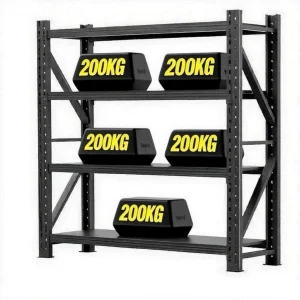
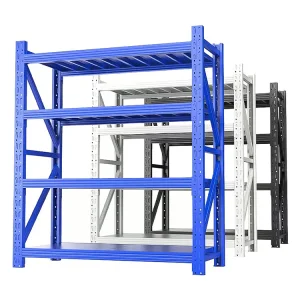
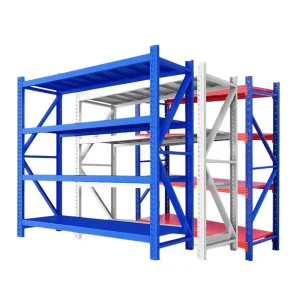
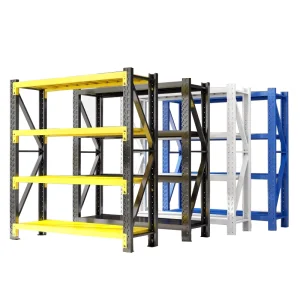
High turnover 3PL operations demand adaptable storage setups. Our adjustable multi-tier racking systems feature high flexibility, enabling operators to reposition shelf heights to accommodate changing pallet dimensions without needing custom fabrication.
Operating in temperatures down to -30°C requires specialized steel selection. Standard carbon steels can become brittle in cold conditions; we utilize impact-resistant Q235D grades alongside specialized zinc-coated finishes to prevent micro-fissures and rust.
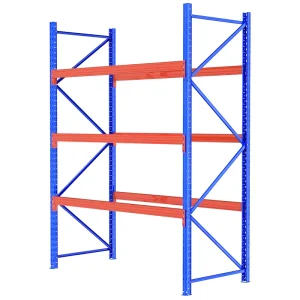
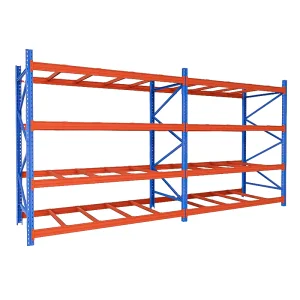
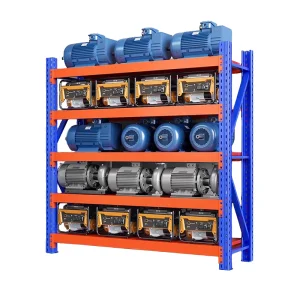
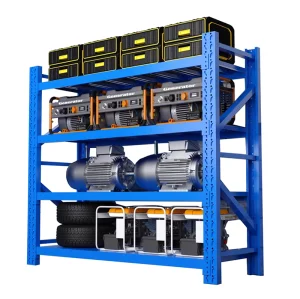
Storing heavy dies, machinery molds, and bar-stock metals requires heavy-duty racking. Our structural pallet configurations are engineered to handle loads exceeding 4,000 kg per level, utilizing dual-locking beam pins and thick-walled steel upright profiles.
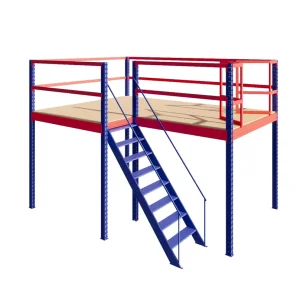
E-commerce centers focus on inventory accessibility and fast SKUpicking. Integrating multi-tier mezzanine floors or Very Narrow Aisle (VNA) racking systems helps businesses maximize storage capacity while maintaining direct access to all products.
The industrial shelving market is shifting toward automated warehouse integration and environmentally sustainable manufacturing practices. Systems must be built to support high-speed Automated Storage and Retrieval Systems (AS/RS), demanding tighter production tolerances.
To support these advanced logistics operations, Guangzhou Fangjiu Shelf Co., Ltd. continuously refines our structural components to align with automated shuttle and crane specifications. Additionally, we use eco-friendly powder finishes that emit zero volatile organic compounds (VOCs) during application, supporting our customers' green building objectives.
Our commitment to sustainability extends to our manufacturing processes. We utilize water-reclaimed chemical baths to prepare steel prior to coating, while implementing high-performance electrostatic deposition technology to reduce powder overspray waste.
 Fangjiu Rack