High-capacity structural racking engineered from premium cold-rolled steel, tailored for high-throughput fulfillment environments.
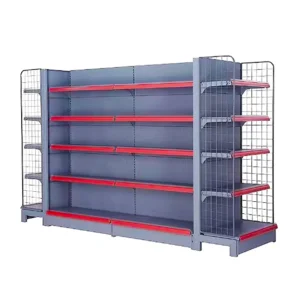
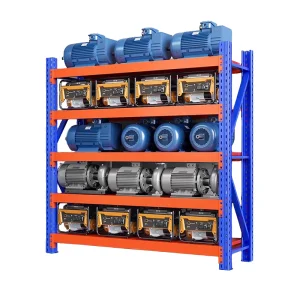
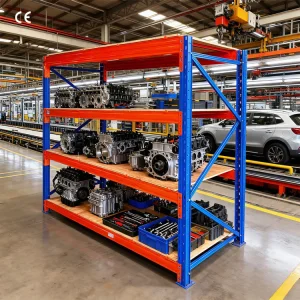
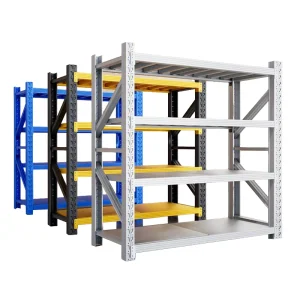
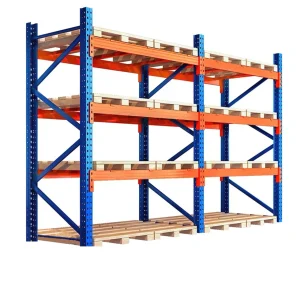
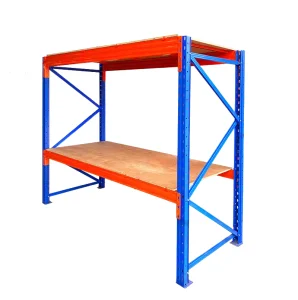
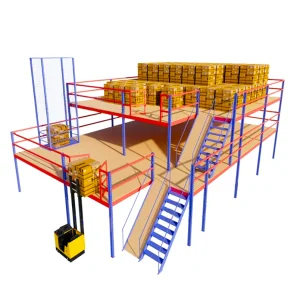
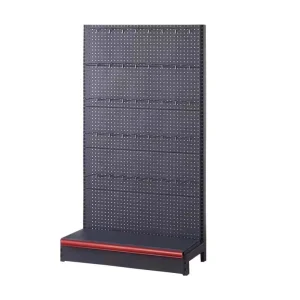
Established in 2013, Guangzhou Fangjiu Shelf Co., Ltd. has developed into a premier industrial manufacturer specializing in heavy-duty warehouse racking systems, structural steel shelving platforms, and complex logistics storage configurations. In our modern facility exceeding 35,000 square meters, we integrate vertical production capabilities—spanning raw structural steel cutting, precision profile rolling, robotic welding, advanced surface treatment, and global logistics dispatch.
With more than a decade of technical manufacturing experience and 7+ years of international export compliance, we have solidified our reputation as a trusted primary supplier to multinational logistics grids, 3PL aggregators, and commercial distributors. We manage a robust global supply chain portfolio with over 580 strategic partners, guaranteeing reliable raw material supply, consistent metallurgic standards, and highly predictable production timelines even during volatile global steel cycles.
“By engineering custom physical storage configurations using higher grade steel alloys and precision safety factors, we enable global logistics facilities to maximize spatial volume efficiency while systematically lowering operational risk.”
Analysis of the macroeconomic shifts driving storage infrastructure procurement and high-performance warehousing logistics.
Industrial procurement departments are shifting away from short-term transaction-oriented purchasing toward comprehensive Total Cost of Ownership (TCO) models. Factors including maritime shipping fluctuations, geopolitical tariffs, and local warehouse building regulations demand structurally compliant, high-durability racking configurations. Racks that fail or warp under non-compliant load applications can cause catastrophic liability issues, structural failure, and supply chain bottlenecks.
Modern distribution complexes require systems that integrate seamlessly with advanced automation. This includes standard pallet racking, Very Narrow Aisle (VNA) configurations, pallet shuttle systems, and automated storage and retrieval systems (AS/RS). These frameworks require extremely low deflection limits and highly precise dimensional tolerances, demanding modern roll-forming technologies and certified structural designs.
Global regulatory bodies demand compliance with localized standards, such as the Rack Manufacturers Institute (RMI) MH16.1 standard in the United States, European EN 15512 specifications, and Australian AS 4084 guidelines. High-performance steel grades, verified mechanical weld profiles, and certified anti-seismic anchoring are essential to pass rigorous municipal structural audits.
Engineered structural configurations designed to resolve complex capacity, environmental, and throughput constraints across major industrial sectors.
Sub-zero temperature environments require specialized metallurgy due to low-temperature steel embrittlement. Standard carbon steels become increasingly brittle and susceptible to fracture when operating at temperatures below -20°C. We design cold chain systems using impact-tested structural steels combined with specialized low-temperature powder coatings and hot-dip galvanized coatings to eliminate structural degradation and prevent moisture-induced corrosion.
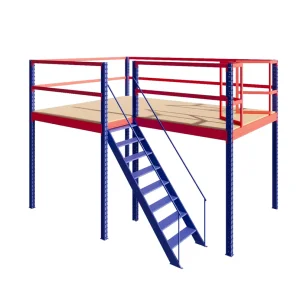
Fulfillment operations require high spatial flexibility and rapid access to SKU profiles. We design versatile structural solutions featuring multi-tier mezzanine platforms and adjustable selective racking systems that integrate structural steel frames with wire decking, steel grating, and high-performance safety barriers.
Storing oversized or high-density payloads, such as manufacturing dies, metal sheeting, and continuous bar stock, requires heavy-duty engineering. Standard shelving systems are inadequate for these loads. We supply customized cantilever racks and industrial stackable racks engineered to withstand heavy, unevenly distributed weight profiles.
Inside our 35,000 square meter ISO 9001-certified manufacturing facility, showcasing our step-by-step production flow and verification checks.
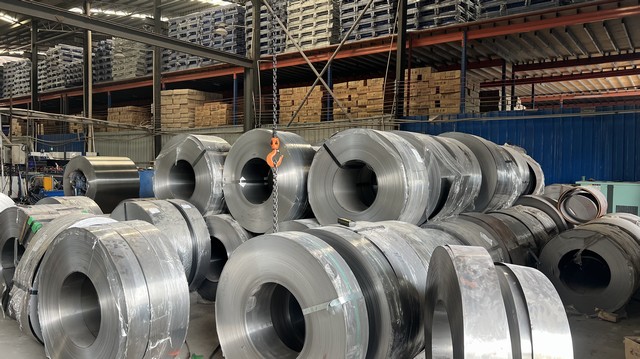
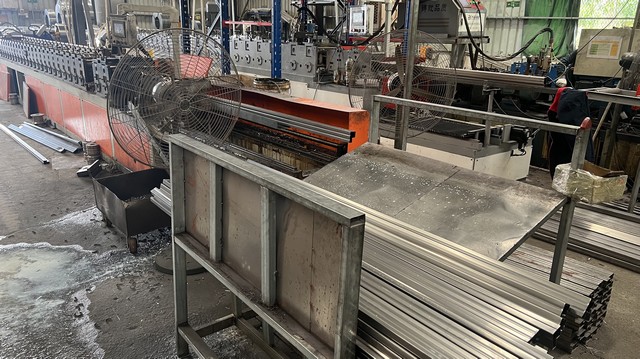
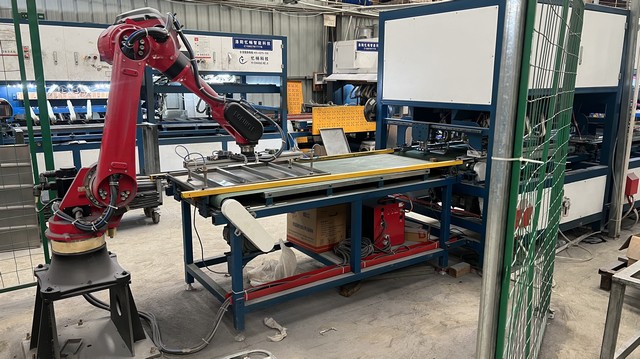
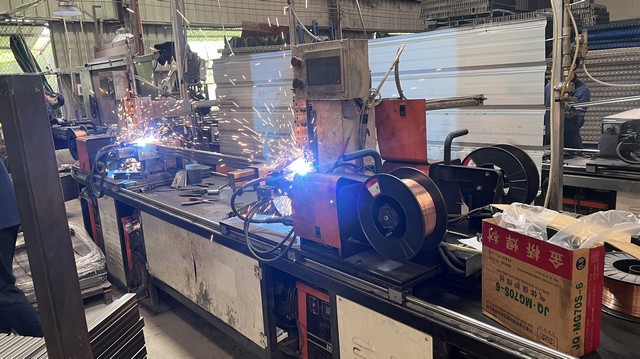
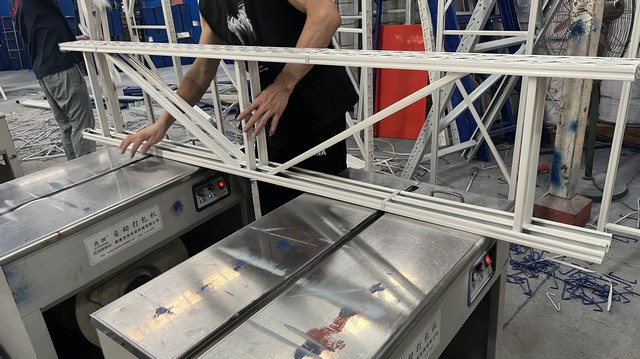
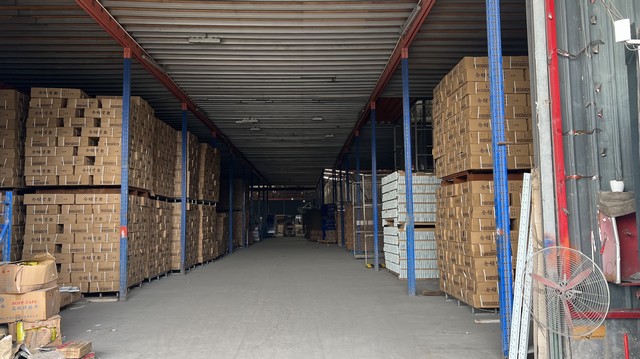
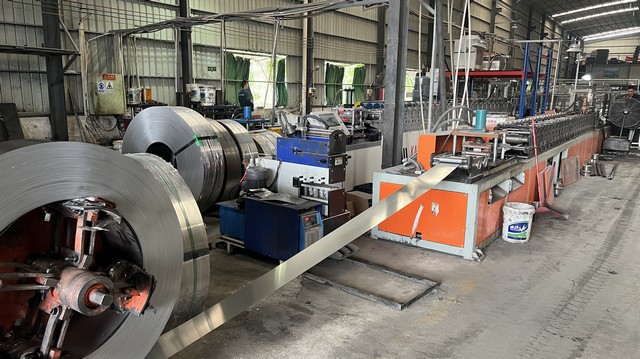
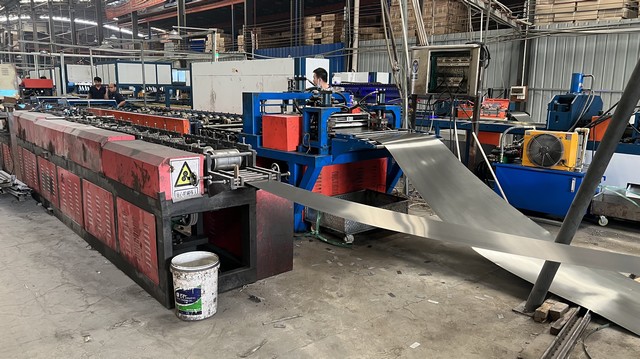
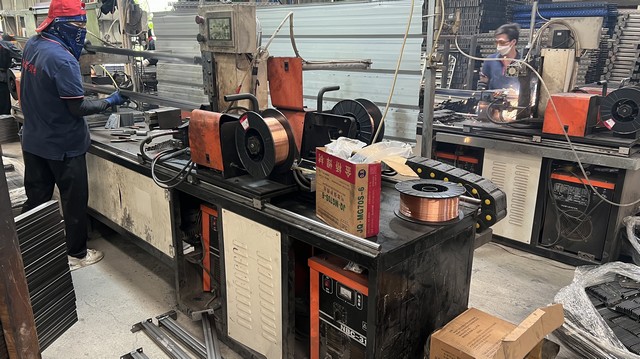
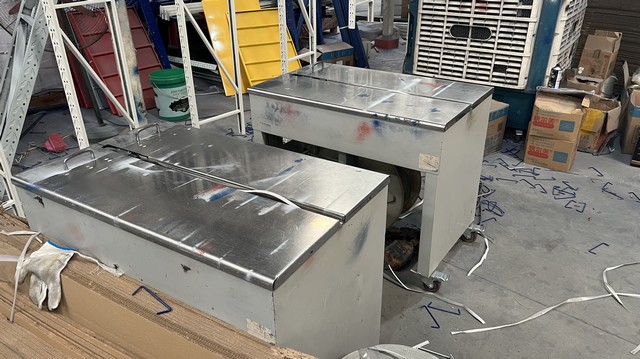
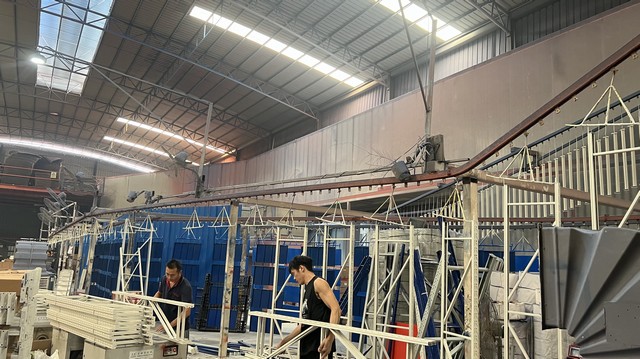
Every batch of raw steel is tested and tracked. We employ a dedicated division of 38 professional QC inspectors to verify structural safety across four testing milestones:
We test critical structural weld seams, including those on three-claw beam connectors and primary baseplate assemblies, using high-frequency sound waves. This inspection detects internal micro-voids, cracks, or weld discontinuities that are not visible to the naked eye, ensuring joint integrity under maximum rated loads.
We verify the long-term chemical durability of our powder coatings and galvanized steel finishes by subjecting samples to accelerated salt spray environments. This test confirms the racking's capability to resist corrosion and chemical degradation in high-humidity coastal zones and cold storage warehouses.
Using electromagnetic coating thickness gauges, we verify that our electrostatic thermosetting epoxy-polyester coatings achieve a uniform thickness of 60 to 90 microns across all profiles. Consistent coating thickness prevents localized chipping, peeling, and premature surface oxidation.
We load-test physical rack bays to the design safety margin of 1.5 times the rated load. Technicians measure deflection rates on upright columns and beams using digital indicators to confirm that deformation profiles fall within safe limits defined by EN 15512 and RMI standards.
Guangzhou Fangjiu Shelf Co., Ltd. continues to adapt to the demands of smart warehouses and automated logistics. Our research and development roadmaps focus on three core areas to improve modern logistics operations:
Developing racking systems integrated with strain-gauge sensors. These sensors monitor load changes and detect deflection or structural fatigue in real time, alerting safety managers to issues caused by forklift impacts or localized overloading.
Partnering with metallurgical research centers to integrate low-carbon, high-toughness steel formulations. These alloys improve yield strength while reducing raw material weight, helping international clients meet scope-3 carbon reduction targets.
Developing new zinc-aluminum-magnesium coatings. These coatings provide up to three times the corrosion protection of standard hot-dip galvanizing, offering self-healing properties for cut edges in challenging outdoor or high-humidity environments.
Ensuring seamless import workflows and regulatory clearance across North America, Europe, Southeast Asia, and the Middle East.
We package and label our products to maximize shipping container space, reducing ocean freight costs. We provide HS code classifications, mill test reports, and compliance documentation to ensure smooth customs clearance.
For installations in active seismic zones, we customize baseplate sizes, anchoring configurations, and bracing styles to comply with regional seismic calculations and safety regulations.
We provide detailed 3D installation drawings, video guides, and direct engineering support to local project managers, facilitating safe assembly of the structural frames.
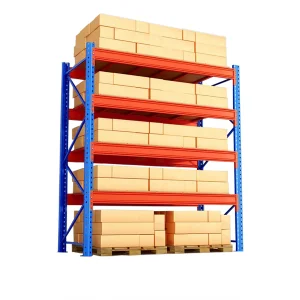
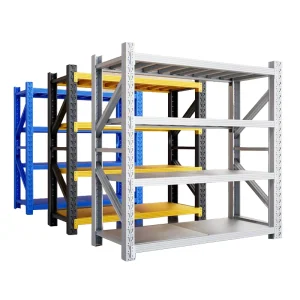
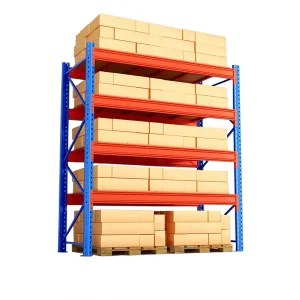
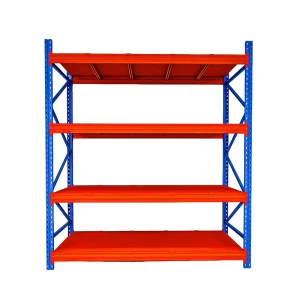
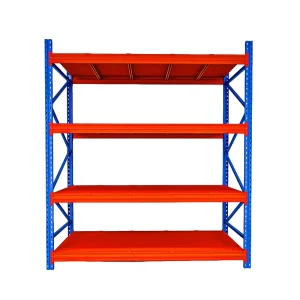
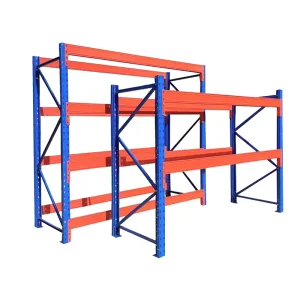
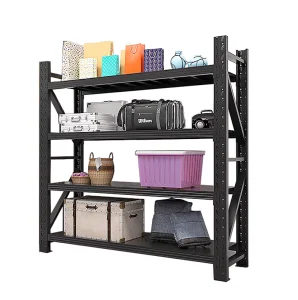
Select from our range of customizable mezzanine platforms, cantilever frames, and high-load capacity racking systems.
Detailed answers to technical questions about materials, structural compliance, seismic design, and custom manufacturing.
Our industrial structural frames are manufactured from high-yield cold-rolled steel, specifically Q235B and Q355B structural carbon steel. These steel grades are selected for their optimal ratio of tensile strength to weldability. This enables clean, deep penetration welds while maintaining the elasticity needed to resist deformation under heavy loads.
Our quality control program employs 38 inspectors who perform Ultrasonic Flaw Detection (UFD) on structural weld joins. This method uses high-frequency sound waves to scan the internal molecular matrix of critical load welds, locating weld discontinuities, gas pockets, or slag inclusions that could fail under dynamic stress loads.
Yes. We use electrostatic thermosetting epoxy-polyester powder formulations. These coatings are cured at temperatures of 180°C to 200°C, producing a chemically inert surface. This finish is non-toxic, lead-free, and resistant to regular chemical sanitization, making it suitable for supermarket display shelves, cold storage facilities, and food-grade dry goods storage.
Our engineering team designs custom bracing configurations, thicker baseplates, and dual-anchoring systems to meet localized seismic codes. We perform finite element analysis (FEA) to confirm that the horizontal shear force resistance of the structures complies with EN 15512 or RMI specifications for the project's designated seismic zone.
Once we receive a customer's warehouse layout and load requirements, our R&D team provides CAD layouts and stress calculation profiles within 48 to 72 hours. Upon drawing sign-off, standard production cycles typically range from 20 to 30 days, supported by our fully automated rolling and powder-coating lines.
 Fangjiu Rack