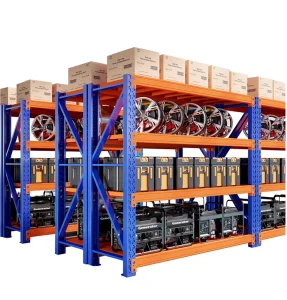
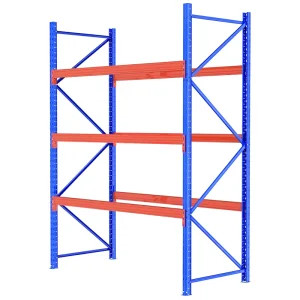
Discover engineered warehouse racking solutions designed to optimize floor footprint and improve inventory access efficiency.
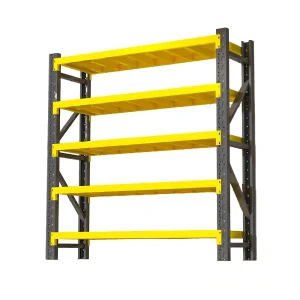
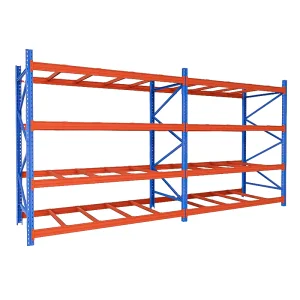
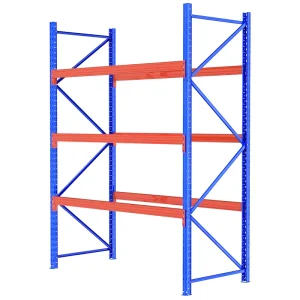
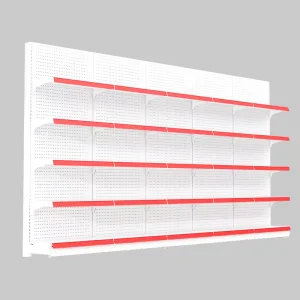
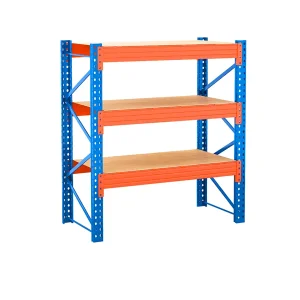
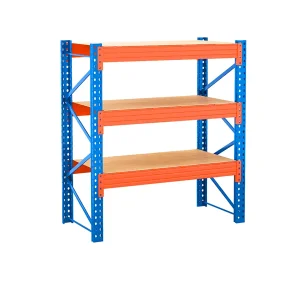
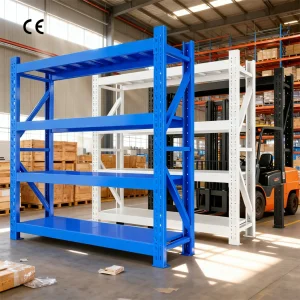
In modern industrial logistics, optimization of floor space and strict inventory control are primary indicators of operational success. Among various high-density systems, Pallet Flow Storage (commonly known as gravity flow racking) represents the standard for First-In, First-Out (FIFO) warehousing. Operating on a dynamic slope, these systems utilize gravity to transport loaded pallets from the loading aisle to the retrieval side, reducing interior driving lanes and forklift operation times.
Global demand for dynamic racking has increased, driven by rising warehouse land acquisition costs and the proliferation of high-throughput distribution hubs. To deploy these solutions, procurement managers must evaluate and partner with specialized manufacturers who understand the structural challenges of dynamic loads, brake controller integration, and precision rolling profile engineering.
The technological landscape of dynamic warehouse logistics is evolving. Here are three major industry shifts.
Modern factories are designing gravity flow setups to integrate with Automated Storage and Retrieval Systems (AS/RS). Automated crane drop-offs require precise tolerances down to the millimeter to ensure predictable pallet deceleration and alignment.
Safety is critical for heavy pallet flow systems. Top suppliers are implementing custom centrifugal speed controllers and mechanical separator mechanisms. These features keep line pressure away from front pallets during extraction, reducing hazards for forklift operators.
Driven by pharmaceutical and grocery growth, low-temperature compatibility is standard. Manufacturers optimize flow lanes using specialized bearings and dynamic lubricants that operate reliably in deep-freeze environments down to -30°C.
When sourcing industrial-grade racking components, verify engineering parameters against standard thresholds.
| Feature Parameter | Standard Industry Range | Advanced Manufacturing Standard | Primary Material Benefit |
|---|---|---|---|
| Steel Grade Raw Material | Q235B Carbon Steel | Q355B High-Strength Structural Steel | Increases vertical upright weight limits while maintaining structural deflection properties. |
| Roller Pitch Spacing | 75mm to 100mm | Custom configured based on pallet runner direction | Maintains constant support contact, preventing pallet stalling or wood deformation. |
| Lane Incline Gradient | 3.5% - 4.5% | Precision calculated to ±0.2% slope variation | Ensures gravity travel across long lane layouts without run-away speed risks. |
| Surface Corrosion Defenses | Powder Coating (30-50μm) | Electrostatic Powder Coated + Hot-Dip Galvanized (>80μm) | Resists mechanical scrapes, industrial chemicals, and moisture in humid environments. |
| Speed Braking Assemblies | None / Single passive bumper | Centrifugal self-adjusting dynamic safety brakes | Limits final velocity of pallets regardless of variations in operational loads. |
A deep dive into advanced manufacturing, quality validation systems, and production capabilities.
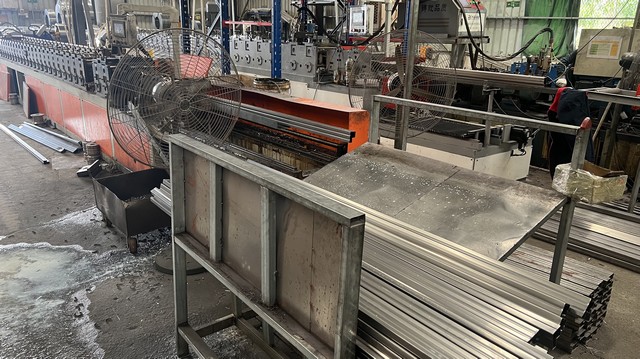
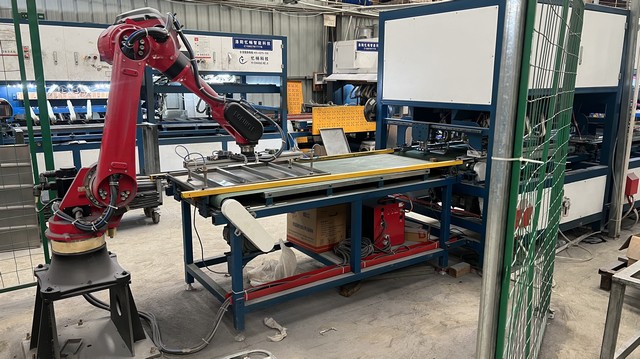
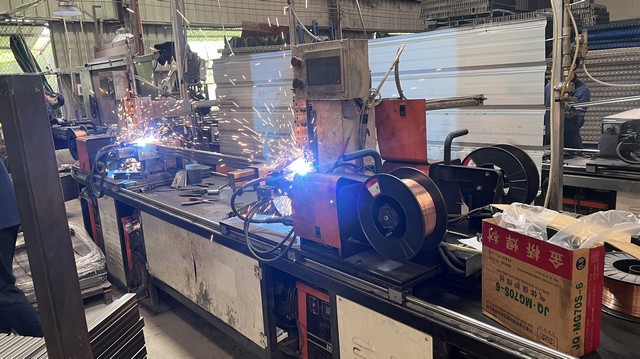
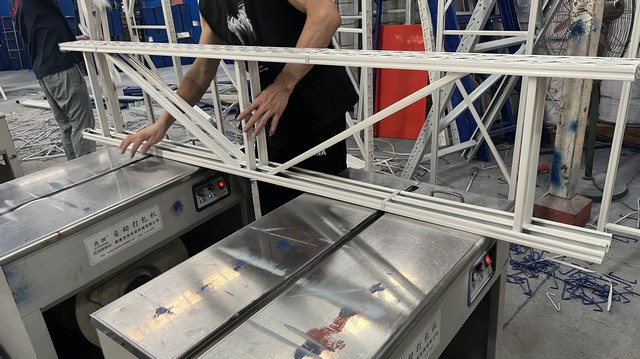
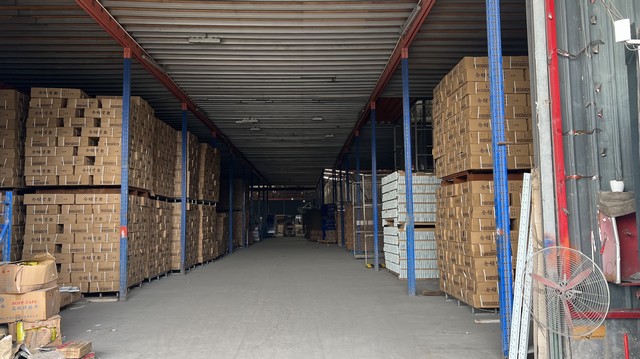
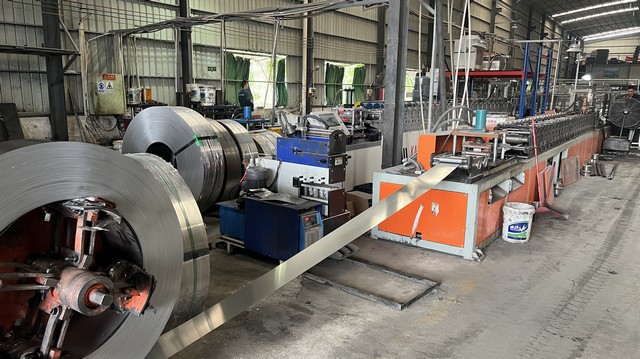
Established in 2013, Guangzhou Fangjiu Shelf Co., Ltd. is a leading manufacturer specializing in heavy-duty warehouse racking systems, industrial shelving, and customized storage solutions. Spanning a modern facility of over 35,000 square meters, we integrate raw material processing, automated production, strict quality inspection, and global distribution under one roof.
With 10 years of deep industry expertise and 7 years of export experience, our brand has grown into a trusted storage solution supplier worldwide. Our products are exported to primary markets across North America, Europe, Southeast Asia, and the Middle East, generating an annual export revenue reaching $49 million USD. We maintain robust strategic alliances with over 580 reliable supply chain partners to ensure seamless sourcing, consistent material quality, and competitive lead times.
Quality and safety are at the core of our operations. Our dedicated quality assurance division comprises 38 professional QC inspectors who enforce stringent quality control protocols at every manufacturing stage. Utilizing advanced testing methods—including Ultrasonic Flaw Detection for critical welds, Salt Spray Corrosion Testing, Automated Powder Coating Thickness Measurement, and Full Load Stress & Deflection Testing—we ensure every rack system meets ISO 9001 and international safety standards.
We cater to a diverse clientele, primarily serving B2B enterprise buyers, third-party logistics (3PL) providers, industrial warehouse developers, and global racking importers. Backed by a professional team of 25 R&D engineers, we possess robust research and development capabilities, successfully launching over 150 new innovative products and structural designs in the past year alone.
Our comprehensive OEM & ODM customization options allow clients to tailor beam capacities, upright profiles, decking types, color schemes, and specialized anti-seismic rack structures to meet precise warehouse layout requirements. At Guangzhou Fangjiu Shelf Co., Ltd., we deliver reliable, space-efficient, and durable storage rack solutions tailored to scale your operational efficiency.
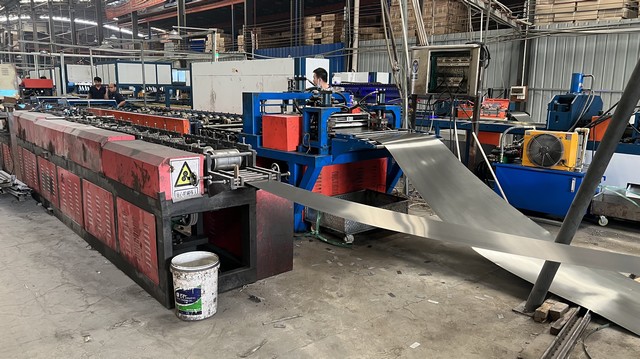
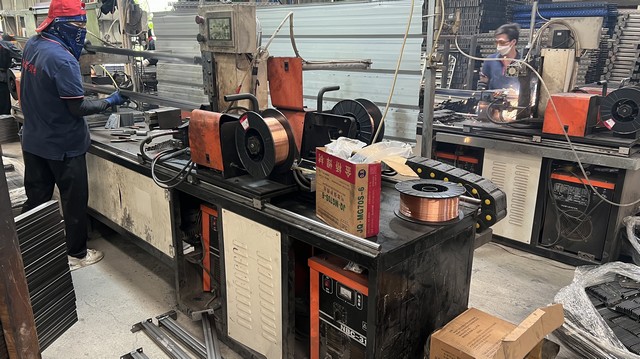
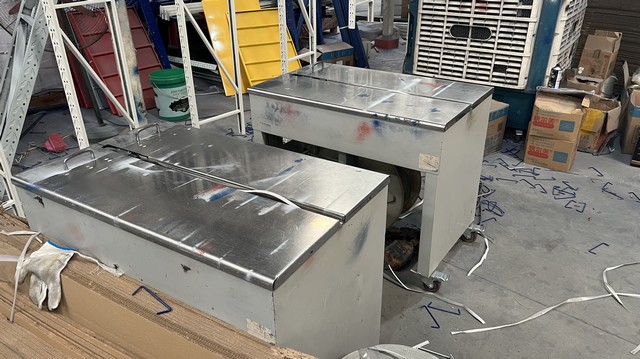
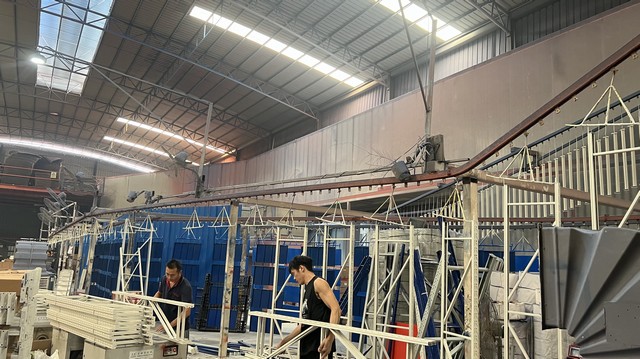
Essential checkpoints for global B2B procurement managers to mitigate sourcing risks.
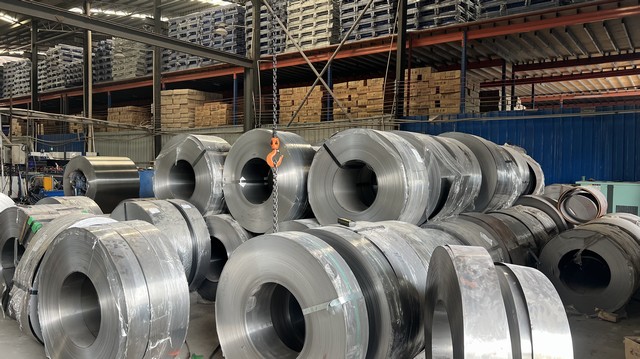
Insist on mill test reports confirming the chemical composition of raw steel coils. Top-tier manufacturers verify properties using ASTM or European EN steel grades. For high-density systems, upright frames should be continuously cold-formed to optimize load distribution across structural points.
Static load testing is insufficient for dynamic gravity flow systems. Top suppliers utilize custom test beds to verify roller performance under heavy loads. Check roller spin capabilities, dynamic braking activation thresholds, and frame alignment under full deflection conditions.
Ensure your supplier has the engineering capability to customize structural frames for local seismic conditions. In high-risk areas, the design must calculate lateral dynamic forces during a seismic event and include heavy-duty baseplates, back-to-back connectors, and reinforced anchor bolts.
Answering technical questions regarding layout design, roller mechanics, and system maintenance.
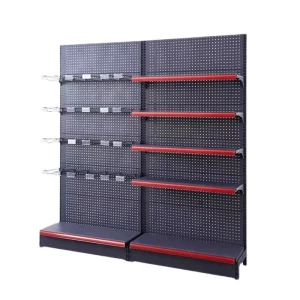
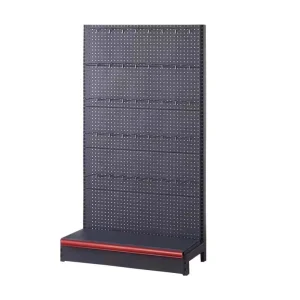
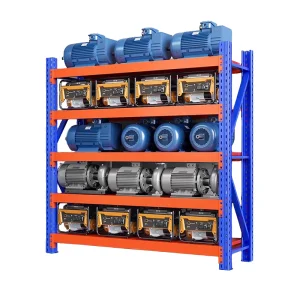
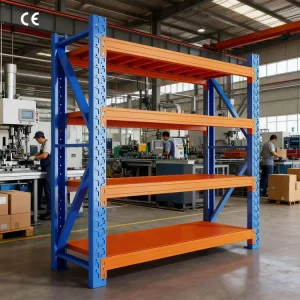
Explore our production line of adjustable storage units, heavy-duty industrial systems, and multi-tier solutions.
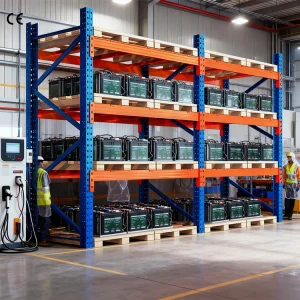
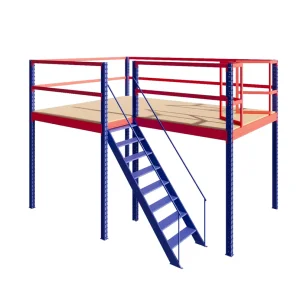
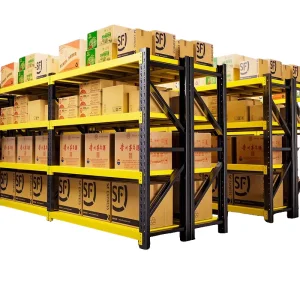
 Fangjiu Rack