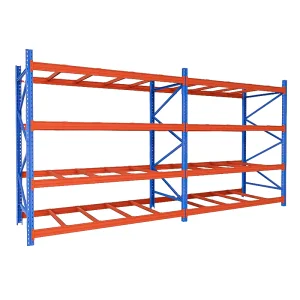
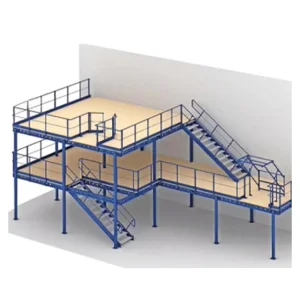
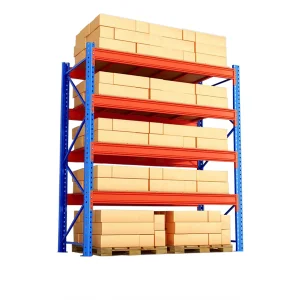
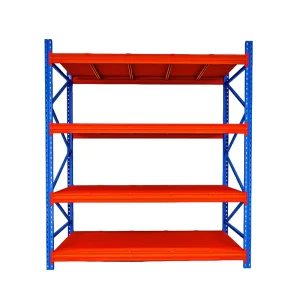
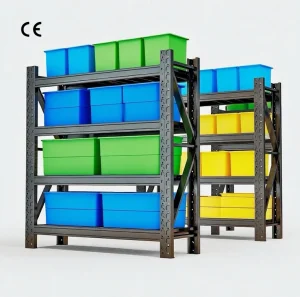
Heavy equipment storage requires a rigorous approach to engineering safety. Storing materials like machinery components, dies, and steel coils is not just a matter of space; it involves managing vertical load vectors and dynamic forces. Structural integrity relies on high-grade cold-rolled steel, typically **Q235B or Q355B**, which offers high tensile strength and yield performance.
Engineers calculate safe load deflection ratios using the standard **L/240** limit. For a beam spanning 2.7 meters, maximum deflection under full load should not exceed 11.25 mm. The selection of upright frame profiles and beam box-sections is determined using finite element analysis (FEA), ensuring structural safety factors (typically 1.5 to 1.8) that comply with RMI (Rack Manufacturers Institute) and European FEM standards.
Additionally, anchor bolt selection and baseplate configurations must account for seismic zone variables. In seismic areas, oversized baseplates and expansion anchors are used to distribute weight effectively, preventing localized concrete slab cracking and system failure.
Modern warehouse logistics is shifting from static storage structures to intelligent, automated systems. This technological shift is driven by the need for space optimization, inventory precision, and operational safety. Heavy equipment storage systems are evolving to integrate with advanced logistics automation.
Using digital twins and IoT sensors, modern racking systems monitor load levels and structural deflection in real-time. Strain gauges detect overloads, warning warehouse managers of potential issues before they cause structural failure.
AS/RS (Automated Storage & Retrieval Systems) for heavy dies, coils, and large parts are replacing traditional forklift-based storage. These systems optimize vertical space, reduce product damage, and improve throughput speeds.
Dynamic seismic mitigation technology features shock-absorbing junctions that dissipate earthquake energy. This configuration reduces building stress, protects inventory, and prevents racking collapse during seismic events.
Different industrial sectors require specialized storage system designs to match their unique handling equipment, environmental conditions, and safety profiles. Below is an overview of tailored structural racking designs across primary sectors:
Automotive stamping dies and engine components require high-capacity racks with protective surface coatings. We supply specialized die-storage systems featuring structural drop-in panels and safety backstops to secure heavy, smooth-surfaced metal dies.
Exposure to dust, moisture, and extreme temperatures requires corrosion-resistant finishes. Hot-dip galvanized or specialized epoxy powder coatings protect structural uprights and base frames in harsh operational environments.
Heavy pipes, drill strings, and valves require cantilever racking designs. Our customizable arms and column uprights are engineered to prevent rolling, providing safe, high-load capacity storage for long structural items.
Established in 2013, Guangzhou Fangjiu Shelf Co., Ltd. is a leading manufacturer specializing in heavy-duty warehouse racking systems, industrial shelving, and customized storage solutions. Spanning a modern facility of over 35,000 square meters, we integrate raw material processing, automated production, strict quality inspection, and global distribution under one roof.
With 10 years of deep industry expertise and 7 years of export experience, our brand has grown into a trusted storage solution supplier worldwide. Our products are exported to primary markets across North America, Europe, Southeast Asia, and the Middle East, generating an annual export revenue reaching $49 million USD. We maintain robust strategic alliances with over 580 reliable supply chain partners to ensure seamless sourcing, consistent material quality, and competitive lead times.
Quality and safety are at the core of our operations. Our dedicated quality assurance division comprises 38 professional QC inspectors who enforce stringent quality control protocols at every manufacturing stage. Utilizing advanced testing methods—including Ultrasonic Flaw Detection for critical welds, Salt Spray Corrosion Testing, Automated Powder Coating Coating Thickness Measurement, and Full Load Stress & Deflection Testing—we ensure every rack system meets ISO 9001 and international safety standards.
We cater to a diverse clientele, primarily serving B2B enterprise buyers, third-party logistics (3PL) providers, industrial warehouse developers, and global racking importers. Backed by a professional team of 25 R&D engineers, we possess robust research and development capabilities, successfully launching over 150 new innovative products and structural designs in the past year alone. Our comprehensive OEM & ODM customization options allow clients to tailor beam capacities, upright profiles, decking types, color schemes, and specialized anti-seismic rack structures to meet precise warehouse layout requirements. At Guangzhou Fangjiu Shelf Co., Ltd., we deliver reliable, space-efficient, and durable storage rack solutions tailored to scale your operational efficiency.
An inside look at our advanced production workflows, combining structural steel roll-forming and robotic welding with high-performance powder coating lines.
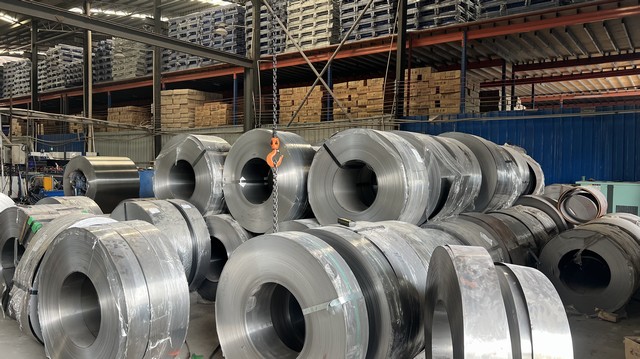
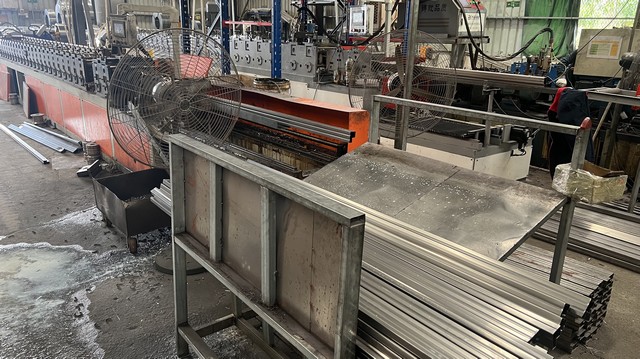
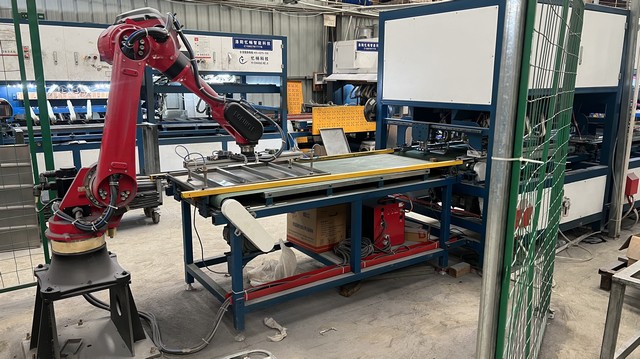
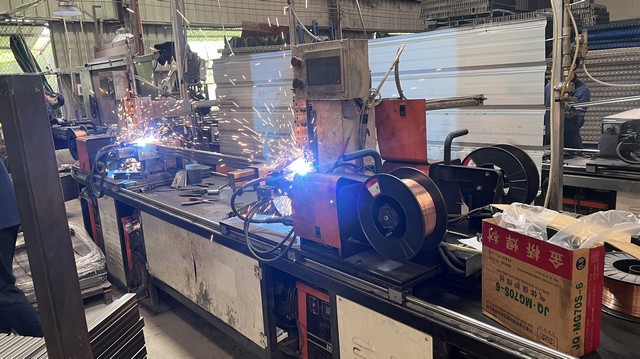
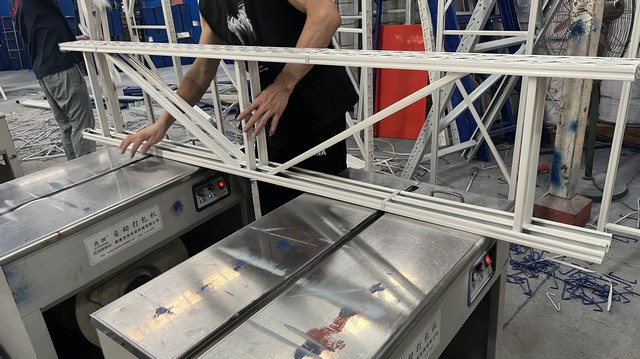
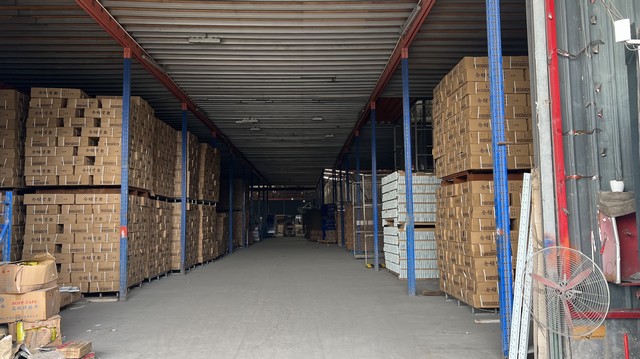
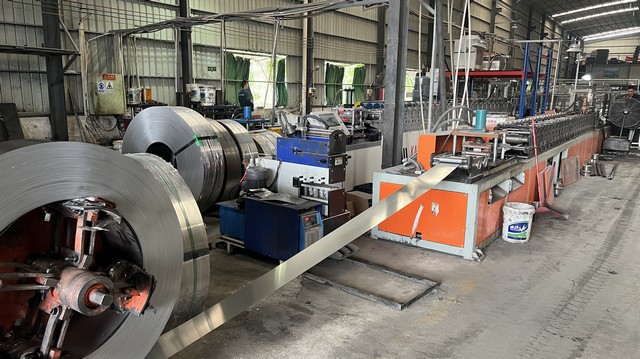
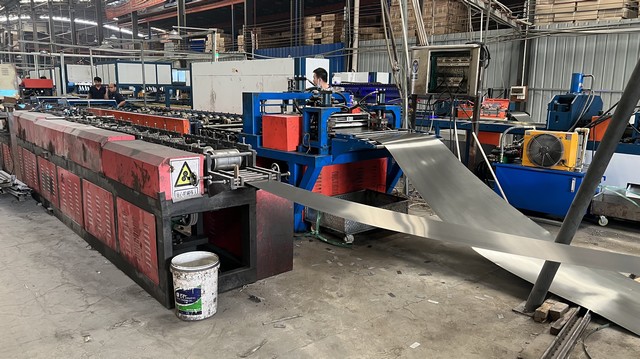
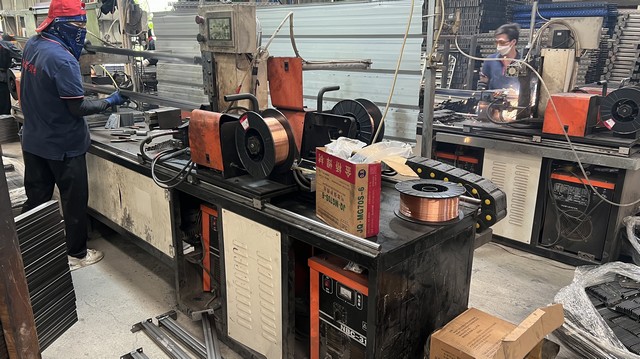
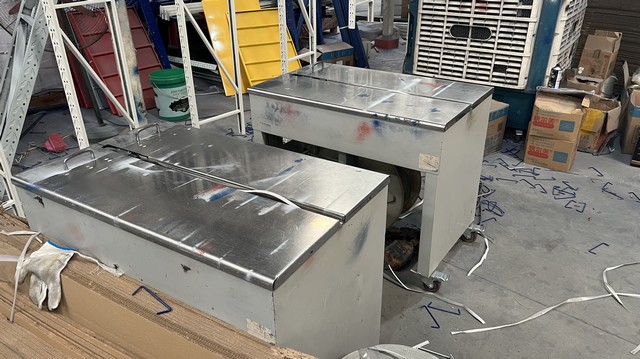
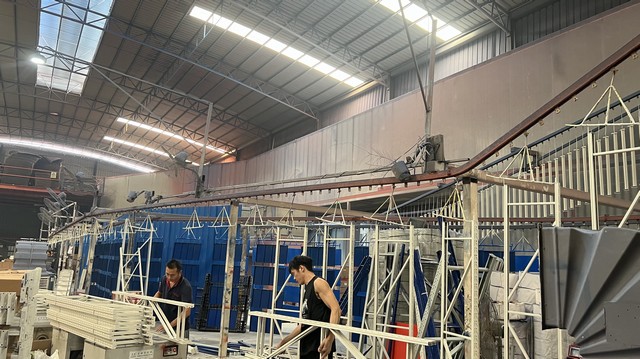
In global supply chains, manufacturing efficiency is essential. Guangzhou Fangjiu Shelf Co., Ltd.'s facilities utilize China’s advanced Factory 4.0 infrastructure to optimize production costs while maintaining high quality standards.
By using automated rolling and robotic welding stations, we reduce human error, speed up production cycles, and improve structural stability. Our proximity to major raw material suppliers reduces logistics costs, allowing us to source certified steel at competitive prices. For B2B clients, this translates into shorter lead times, consistent quality, and a reliable supply chain that can scale to meet changing business requirements.
Our Factory 4.0 initiative focus on three core areas:
Industrial storage products must comply with national and local safety regulations. Guangzhou Fangjiu Shelf Co., Ltd. designs and manufactures storage systems that meet key global safety codes and engineering standards, including:
Meets ANSI/MH16.1 specifications for industrial pallet racks, ensuring structural calculations, load tables, and physical tests align with North American industry standards.
Adheres to European Federation of Materials Handling design guidelines, specifying correct testing procedures and calculation methods for steel racking systems in Europe.
Certified quality management systems covering all stages of production, from raw steel selection to fabrication, finishing, packaging, and final shipment.
To simplify international logistics, we provide detailed documentation, structural calculations, and step-by-step installation guides. We also collaborate with local engineering consultants to facilitate structural certification and building permits in the destination country.
 Fangjiu Rack