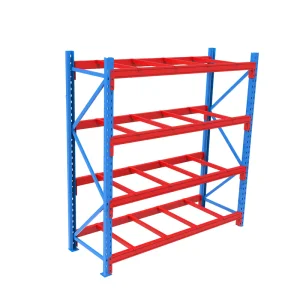
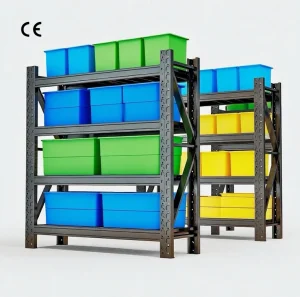
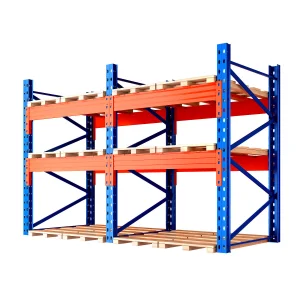
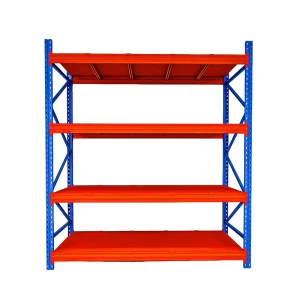
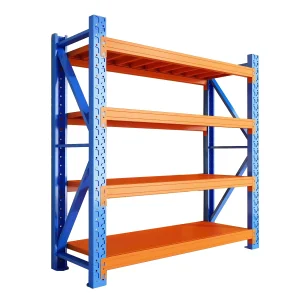
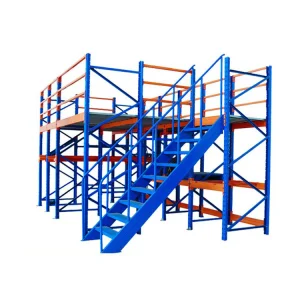
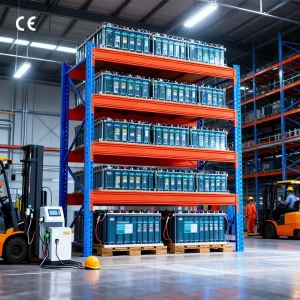
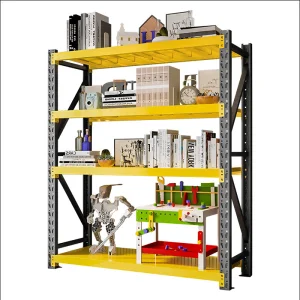
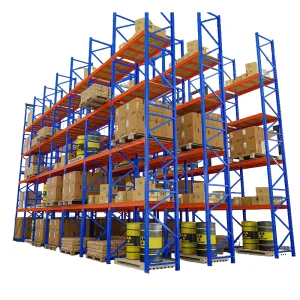
Engineered structural components configured to maximize volumetric efficiency and load capacities.
Founded in 2013, Guangzhou Fangjiu Shelf Co., Ltd. has established itself as a premier global manufacturer specializing in heavy-duty warehouse racking systems, industrial shelving, and bespoke warehouse layout solutions. Operating out of a state-of-the-art 35,000 square meter manufacturing plant, we coordinate everything from structural steel sourcing and high-speed automated roll forming to robotic welding, rigorous stress testing, and international distribution under one roof.
Our deep tenured background in global supply chain ecosystems enables us to support B2B enterprise clients, 3PL logistics networks, and material handling distributors. We retain strategic, long-term partnerships with over 580 certified suppliers of raw structural steel to secure stable material pricing and robust project lead times. Leveraging seven years of active global exportation, our equipment generates a combined export revenue reaching $49 million USD annually, meeting high-capacity demand throughout North America, Europe, Asia, and the Middle East.
Analyzing the mechanics, structural properties, and spatial advantages of gravity-assisted push-back racking.
Push-back storage works via a system of nested carts rolling on an inclined track (typically 3% to 4% slope gradient). Pallets are deposited onto nested carts by a standard forklift. When the second pallet is inserted, the forklift pushes back the first cart, exposing the second cart beneath. Gravity maintains forward pressure, bringing subsequent pallets to the picking aisle when the front pallet is extracted.
Unlike Drive-In racks, where forklifts must enter the racking matrix (increasing risk of structural damage), push-back storage allows forklifts to pick and place directly from the service aisle. It offers up to 90% better selectivity than Drive-In while utilizing up to 75% more pallet positions compared to standard selective racking. Ideal for High-Density LIFO (Last-In, First-Out) operations.
Our systems utilize high-tensile Q235B and Q355B cold-rolled structural steel, ensuring high load capacity. Our push-back racking systems incorporate safety features such as positive cart stops, anti-lift devices to prevent cart jump, and speed-control limiters to safely manage heavy-duty pallet flow.
Witness the high-precision technology that converts raw steel coils into certified industrial storage solutions.
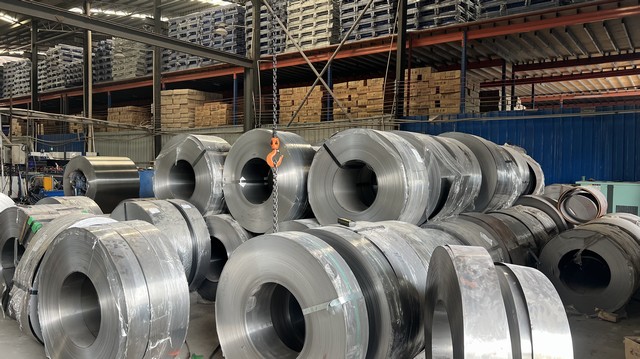
Raw Material Preparation
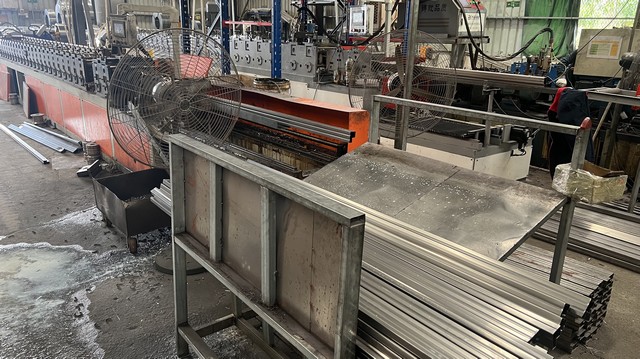
Rolling
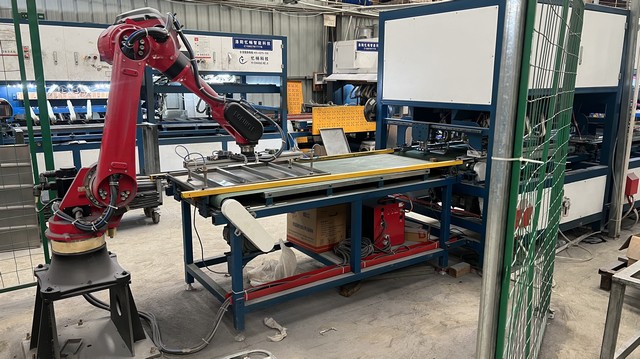
Rolling
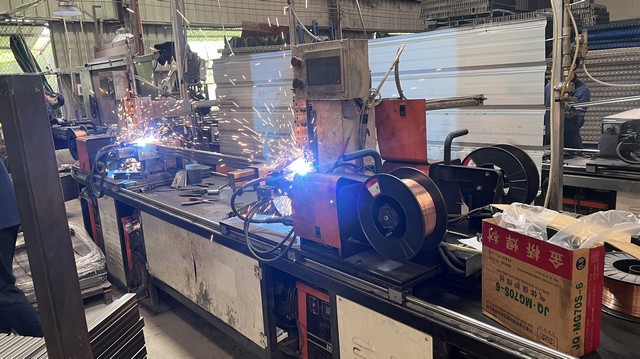
Welding
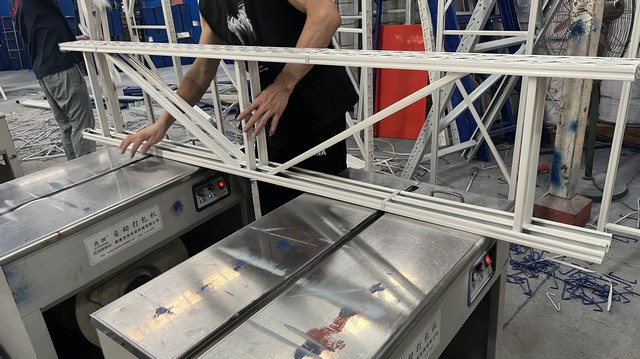
Packing
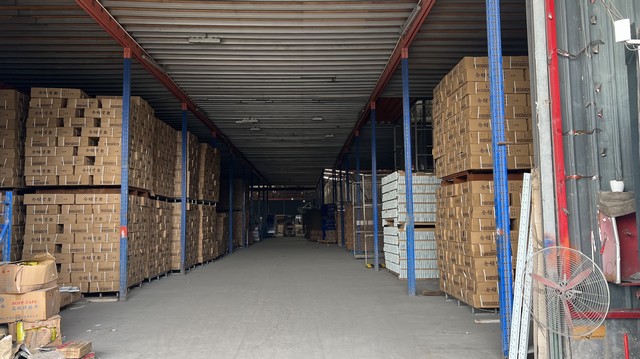
Warehouse
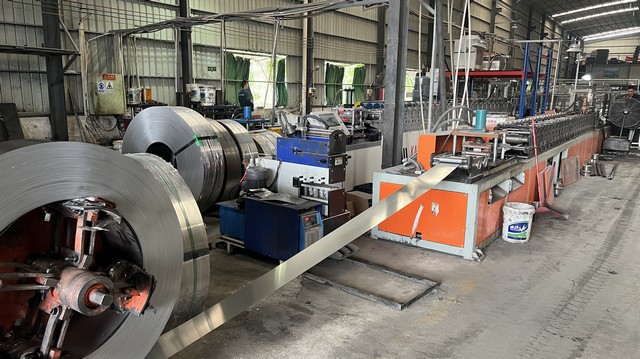
Square Tube Rolling Production Line
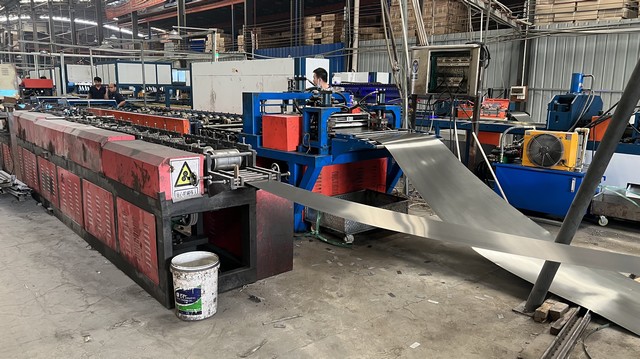
Fully Automatic Rolling Production Line
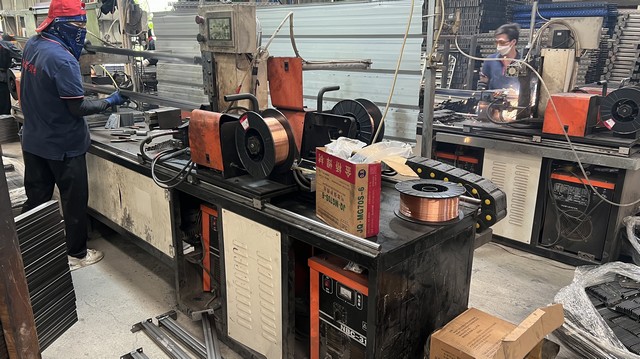
Welding Production Line
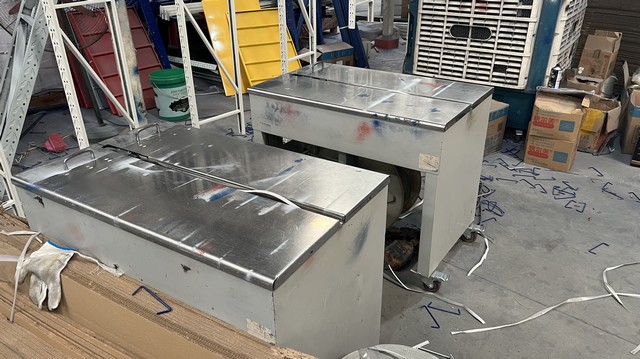
Packing Machine
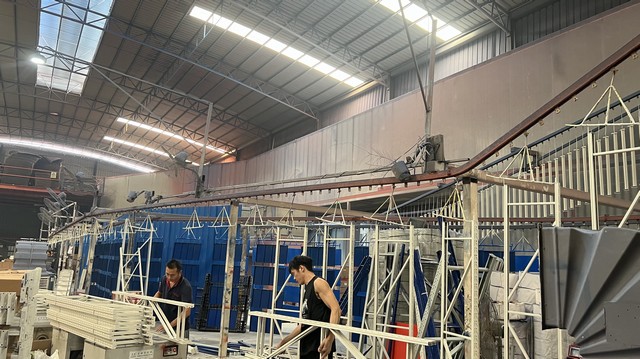
Powder Coating Production Line
Our quality assurance unit comprises 38 professional QC inspectors tasked with maintaining compliance metrics at every stage. We utilize advanced testing methods, including:
How industries leverage high-density push-back racking systems to drive ROI and warehouse capacity.
With refrigerated space coming at a premium price, maximizing cubic space utilization is critical. Push-back systems can operate efficiently at temperatures down to -30°C. They eliminate excess aisles, lowering total volumetric cooling costs and preventing heat loss in cold zones.
High-volume manufacturing plants require temporary holding systems for sub-assemblies. The LIFO nature of push-back racking provides an buffer system that holds multiple pallets per SKU. This layout matches assembly line requirements and helps minimize forklift transit distances.
3PL spaces serve multiple clients with fluctuating inventory shapes and sizes. Our customizable OEM/ODM options enable 3PL developers to modify beam profiles, load capacities, and lane depths from 2 to 6 pallets, preparing storage space for a variety of incoming goods.
How we engineer safety and regulatory compliance into our high-density structures.
As an export-oriented manufacturer shipping to major international hubs, Guangzhou Fangjiu Shelf Co., Ltd. builds to international regulatory requirements. We collaborate closely with local structural engineers to design racking systems that meet localized building codes, load limits, and seismic requirements.
Tuning classic warehousing physics to meet the demands of modern automated logistics.
Our R&D engineering team, consisting of 25 specialists, is actively developing solutions to integrate push-back storage systems with modern automated technologies. While gravity-flow cart structures remain a reliable physical solution, their integration with automated systems presents a promising opportunity for logistics optimization.
Our technology roadmap focuses on combining mechanical systems with automated warehousing components, including:
In the past year alone, our R&D team developed and introduced over 150 new innovative products and structural layouts. We focus on enhancing safety, refining load-bearing capacities, and simplifying installation.
OEM/ODM Customization AvailableEssential advice and engineering perspectives to guide your warehouse planning.
Push-back racking systems typically range from 2 to 6 pallets deep. Standard setups feature 2 to 4 pallets per lane, while 5 and 6-deep configurations are also common. Designing for larger depths requires higher mast capacities from forklifts, and cart inclines must be carefully designed to control rollback speeds safely.
Push-back racking is generally safer than drive-in systems because forklifts do not enter the rack structure. All load placing and picking occur at the aisle face. This layout reduces forklift collision risk, minimizes downtime, and lowers ongoing maintenance costs for rack structural components.
Yes, standard counterbalanced and reach forklifts are compatible with push-back racking. However, operators must maintain a constant push speed during placement. They must also control retraction during extraction, allowing the rear nested carts to slide forward in a controlled manner.
For cold environments or washdown areas, we offer hot-dip galvanized and specialized zinc coatings. Our epoxy-polyester powder-coated systems are also suited for cold environments down to -30°C. In these conditions, we use low-viscosity bearing lubricants to ensure smooth cart rolling.
Explore our selection of storage solutions designed to improve supply chain operations.
 Fangjiu Rack