Engineered to match Tokyo's premium warehousing space constraints, offering high stability, adjustable load-bearing profiles, and full seismic compliance.
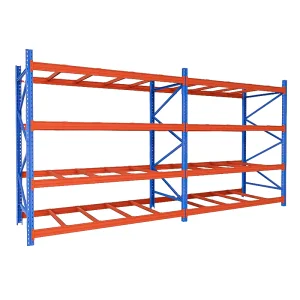
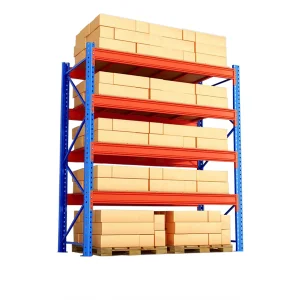
Understanding the engineering demands of high-density warehousing in the world’s most complex metropolitan logistics landscape.
SEO Search Intent Focus: Tokyo's industrial zones—such as the Koto-ku logistics cluster, Ota-ku industrial parks, and the sprawling Yokohama-Kawasaki port corridor—face a unique intersection of ultra-high land costs, dense urban layout, and high-frequency seismic activity. Standard racking systems designed for low-risk zones are insufficient here. Tokyo operations demand certified steel chemistry, precision engineering compliance, and advanced load distribution dynamics.
Japan is situated along the Pacific Ring of Fire, making seismic resilience the number one structural requirement for warehouse racking in Tokyo. The Japanese Industrial Standards (specifically JIS Z 0621 for pallet racking design) define stringent static and dynamic load criteria under acceleration forces. Storage racks must survive horizontal acceleration forces exceeding 0.4g (and up to 1.0g in specific locations) without collapsing.
To comply with Tokyo metropolitan building codes, our engineering team utilizes finite element analysis (FEA) to simulate earthquake movements. Key adaptations for the Tokyo market include:
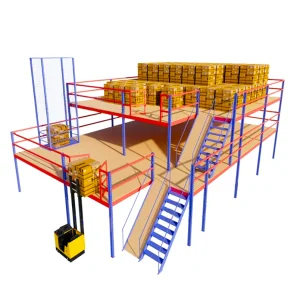
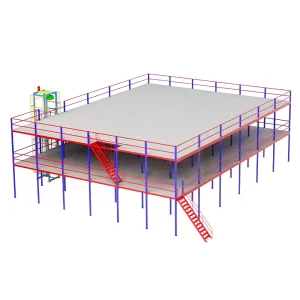
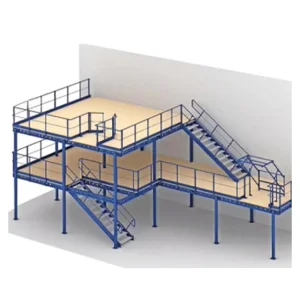
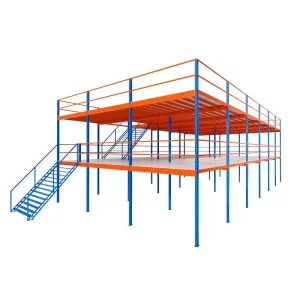
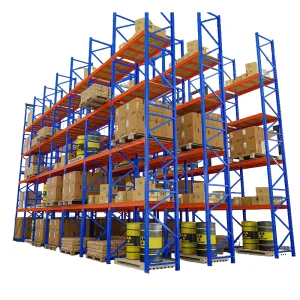
Land acquisition costs in Tokyo’s logistics hubs rank among the highest globally. Consequently, logistics developers are transitioning from traditional horizontal warehouse layouts to high-volume multi-tier structural designs. Vertical space optimization is achieved using Very Narrow Aisle (VNA) systems and heavy-duty steel mezzanines.
Our VNA systems reduce operating aisles to as narrow as 1.6 meters, unlocking up to 50% more pallet storage space compared to conventional layouts. Coupled with steel I-beam mezzanine structures, facilities can double or triple their operational floor space, creating dedicated zones for sorting, packaging, and high-density inventory racking without expanding their physical footprint.
Bridging the gap between structural steel racking and next-generation robotics.
The Tokyo logistics market is experiencing an unprecedented shift toward automation. Driven by structural labor shortages and the rise of e-commerce delivery networks, warehouses are increasingly deploying Automated Guided Vehicles (AGVs), Autonomous Mobile Robots (AMRs), and Automated Storage and Retrieval Systems (AS/RS). This digital transition requires storage racks to meet ultra-precise tolerance thresholds.
Guangzhou Fangjiu Shelf Co., Ltd. has developed automated-ready racking platforms featuring high dimensional stability. Key technological integrations include:
Guangzhou Fangjiu Shelf Co., Ltd. - Driving down Total Cost of Ownership (TCO) through state-of-the-art automated manufacturing.
Established in 2013, Guangzhou Fangjiu Shelf Co., Ltd. operates a modern manufacturing facility spanning over 35,000 square meters. We integrate raw material processing, automated roll forming, robotic welding, electrostatic powder coating, and rigorous quality control testing under a unified management system. Exporting to primary global hubs, we maintain an annual export revenue reaching $49 million USD, backed by a strategic network of 580 reliable supply chain partners.
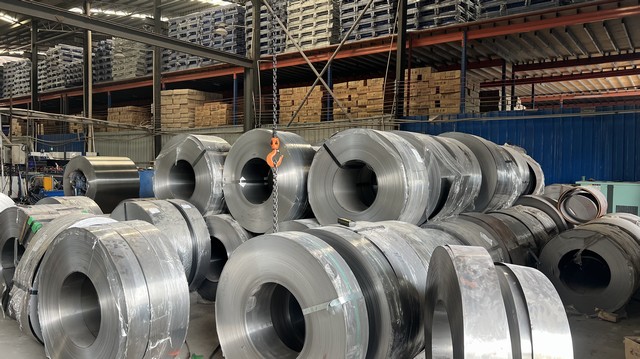
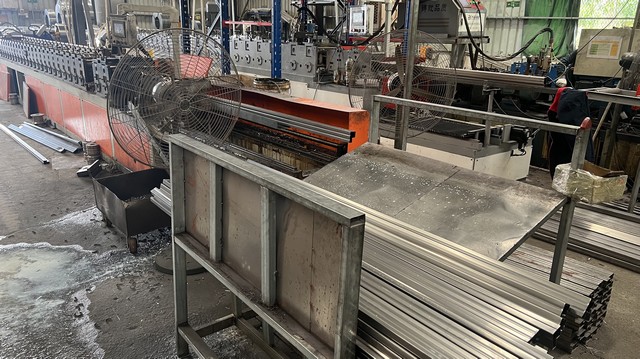
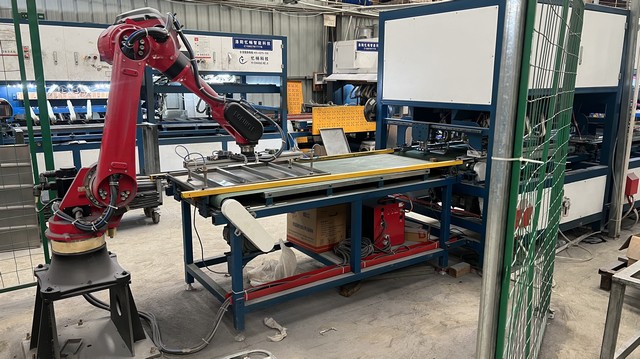
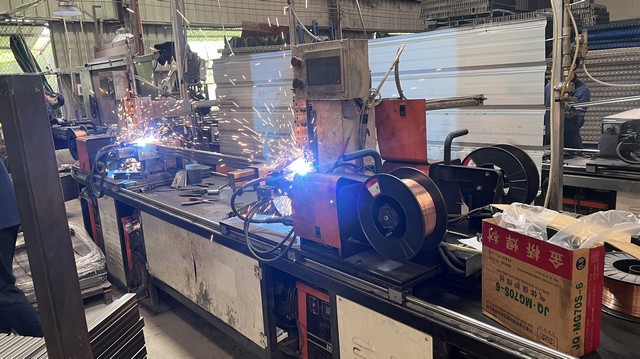
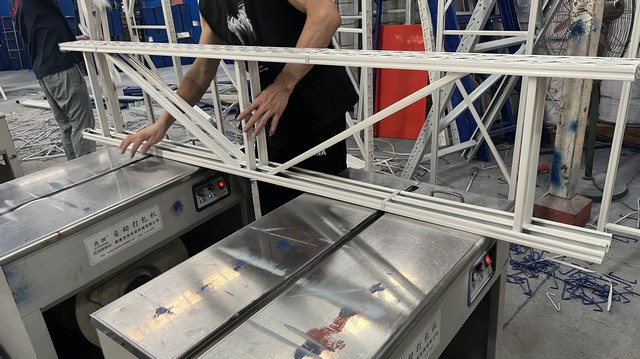
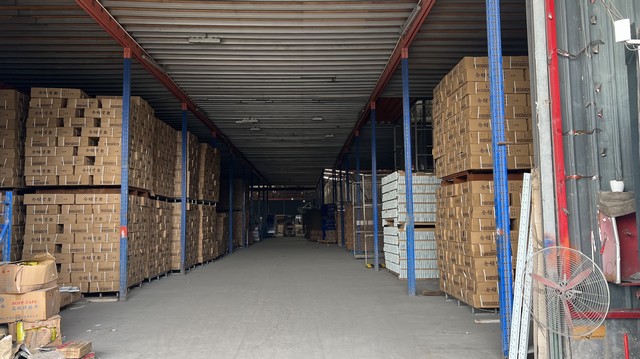
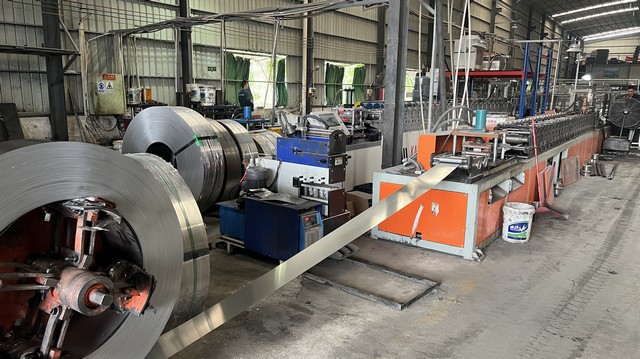
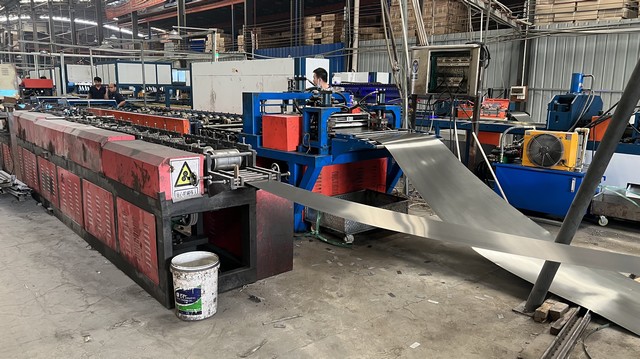
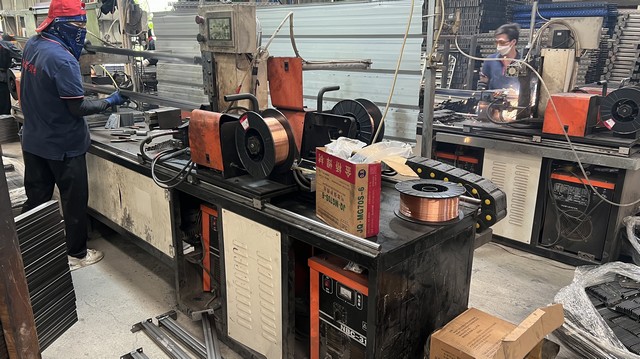
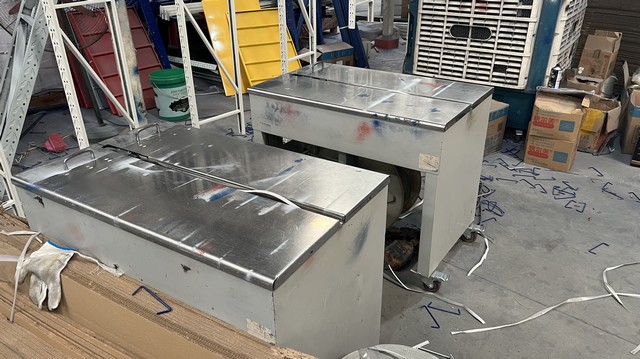
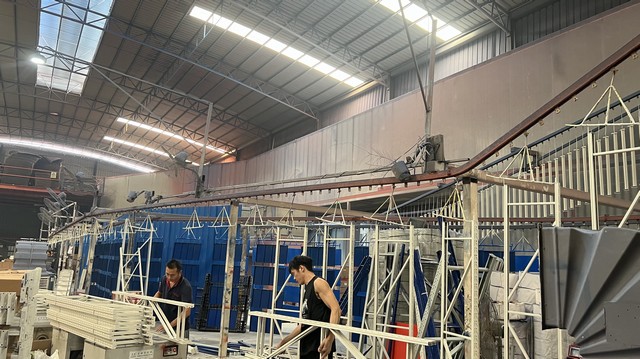
Quality control at Guangzhou Fangjiu is not merely a post-production check. Our team of 38 professional QC inspectors executes strict QA protocols across every single production shift, checking raw steel purity (strictly using certified carbon steel coils) down to finishing thickness. We run four specialized technical validation procedures:
Complete turnkey storage designs optimizing logistics efficiency from raw layout to physical sign-off.
We recognize that modern B2B procurement professionals require comprehensive system planning rather than simple commodity catalog orders. Our experienced engineering division, powered by 25 dedicated R&D engineers, develops customizable CAD layouts and structural engineering calculations tailored to your exact facility layout.
Tailor your racking dimensions, beam loading limits (ranging from 500kg to 4000kg per level), safety pin configurations, structural column thicknesses, and high-visibility branding colors. We also adapt structural parameters for specialized temperature-controlled environments (such as cold-chain sub-zero storage chambers).
Seamless shipping coordination directly to the Port of Tokyo or Port of Yokohama. We prepare all customs document packages, structural engineering certificates, detailed mill sheets, and cargo packaging manifests to ensure hassle-free custom clearance and direct transport to your warehouse site.
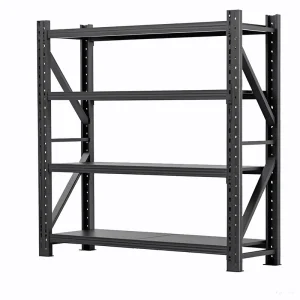
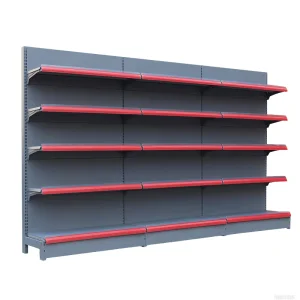
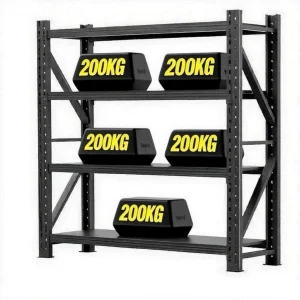
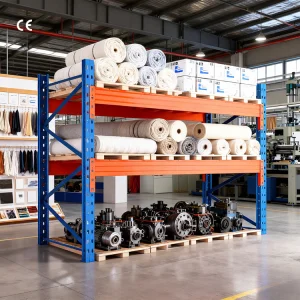
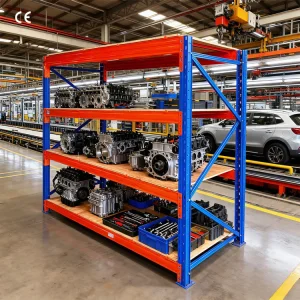
Select from our comprehensive range of certified warehouse racks, steel platforms, and retail shelving units.
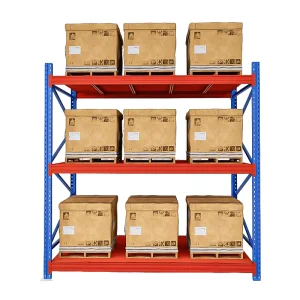
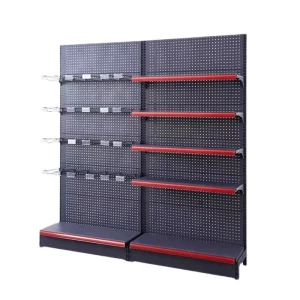
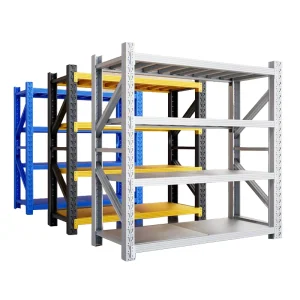
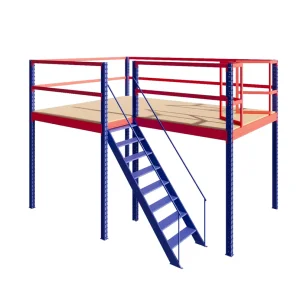
An analysis of operational benefits, engineering standards, and logistics workflows for Japan-based buyers.
Sourcing directly from an automated factory in China provides significant structural cost savings while maintaining rigorous quality expectations. For B2B logistics directors, real estate developers, and third-party logistics (3PL) providers operating in the Tokyo region, selecting the right partner involves checking multiple compliance checkboxes:
A racking structure is only as reliable as the raw steel used in production. We utilize certified Q235B and Q355B high-tensile carbon steel, which offers optimal yield strength and elongation ratios under stress. Every order is delivered with its corresponding Mill Test Certificate (MTC) detailing carbon, manganese, and silicon compositions to guarantee mechanical safety limits.
To pass inspection by municipal regulators in Tokyo, Kawasaki, or Yokohama, projects often require detailed structural calculation reports (構造計算書). Our team works in tandem with Japanese engineering consulting agencies to provide seismic calculation documents, dynamic analysis data, and load distribution diagrams to facilitate standard approvals from local building regulators.
Warehouses along Tokyo Bay (such as Shinagawa, Ota, or Kawasaki Port areas) are exposed to high atmospheric moisture levels and salt content. Simple paint coatings degrade rapidly, leading to micro-rusting. We apply advanced thermal curing and automated electrostatic powder coating to guarantee long-term surface protection and chemical resistance against rust.
Technical clarifications and procurement answers for industrial racking imports in Tokyo.
 Fangjiu Rack