Explore our premium load-bearing storage configurations optimized for distribution centers, manufacturing plants, and heavy-duty commercial storage.
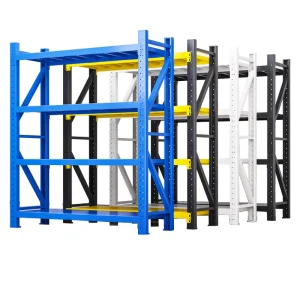
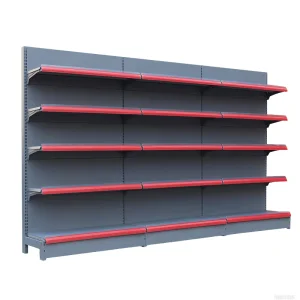
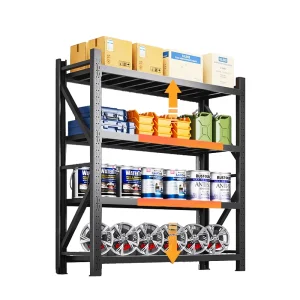
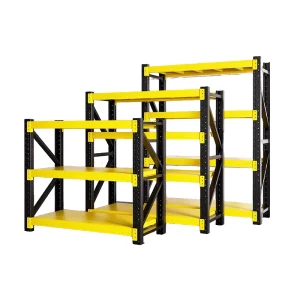
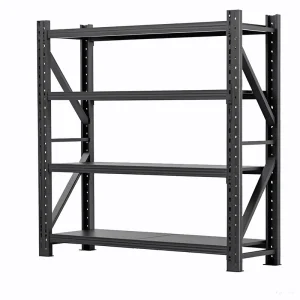
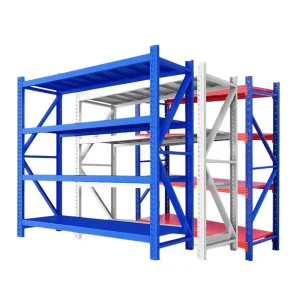
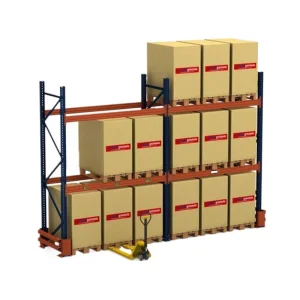
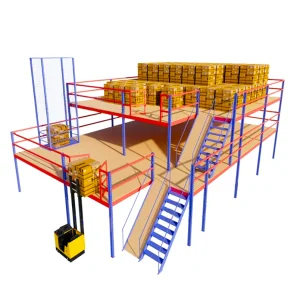
In an era marked by rapid e-commerce expansion, high-density warehousing requirements, and complex logistics networks, the efficiency of physical storage spaces determines corporate profitability. Contemporary warehousing is no longer just about shelving; it is about engineering intelligent space utilization systems.
Global procurement teams in Third-Party Logistics (3PL), automotive assembly plants, cold storage facilities, and pharmaceutical distribution networks face a common bottleneck: optimizing volumetric efficiency while ensuring absolute structural safety. Selecting a heavy-duty storage solution requires deep technical scrutiny of steel grades, load-bearing deflections, structural integrity under seismic stress, and anti-corrosion shelf lifespans.
Guangzhou Fangjiu Shelf Co., Ltd. stands at the forefront of this industrial demand. With over a decade of dedication to manufacturing robust, reliable racking systems, we address the core pain points of modern operations: safety, adaptability, durability, and cost-efficiency.
Over a decade of refining steel fabrication, structural analysis, and load-distribution science guarantees that our systems perform under maximum payload.
Developing customizable configurations, high-tier mezzanines, and anti-seismic pallet racks. Over 150 innovative design releases last year alone.
Composed of 38 professional Quality Control inspectors carrying out Ultrasonic Flaw Detection, Salt Spray Testing, and Full Load Stress Deflection testing.
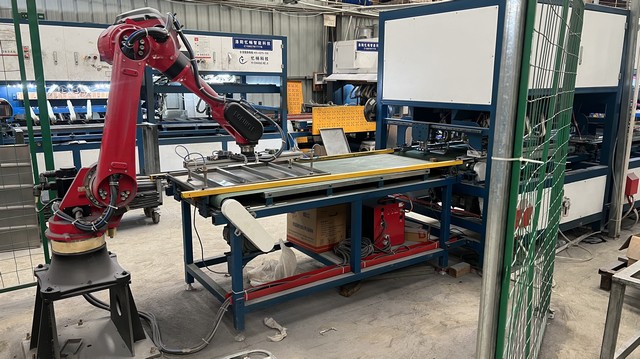
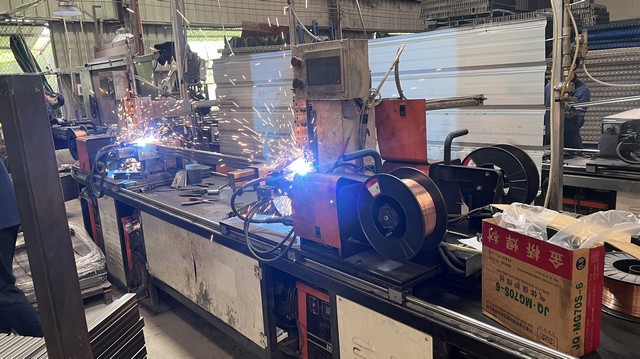
A deep dive into how Guangzhou Fangjiu Shelf Co., Ltd. combines advanced manufacturing technology, strategic raw material procurement, and automation to deliver global standard industrial systems.
At Fangjiu, we prioritize structural safety. Our heavy-duty racking systems are manufactured using high-quality Q235 and Q355 cold-rolled carbon steel. These steel grades offer exceptional tensile strength and high yield stress, vital for systems holding up to 5,000kg per level.
Through finite element analysis (FEA), our engineering division models stress distribution patterns on upright frames, beams, and diagonal bracing. This ensures that every racking system maintains a safety factor of 1.5 to 2.0 times the designated load capacity, preventing buckling or progressive structural collapses under unexpected dynamic shocks.
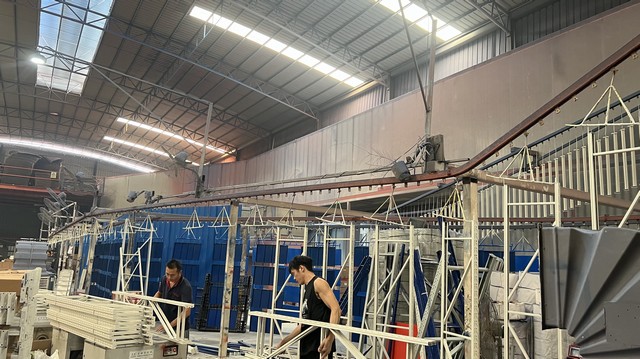
To resist harsh environments, our steel undergoes a multi-stage pretreatment process: hot water degreasing, acid rust removal, phosphate bathing, and neutralization. This prepares the surface for our electrostatic powder coating. Cured at 200°C, this process forms a uniform, non-porous polymer barrier. The result is excellent impact resistance, scratch resistance, and corrosion defense, extending the rack's service life to over 15 years.
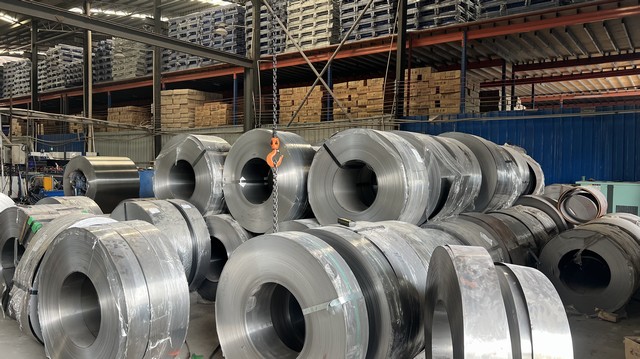
Procuring raw materials in a fluctuating economy is a major challenge for global enterprise buyers. Fangjiu maintains strong strategic alliances with over 580 trusted supply chain partners. This network ensures a continuous supply of high-grade steel sheets and components, even during raw material shortages.
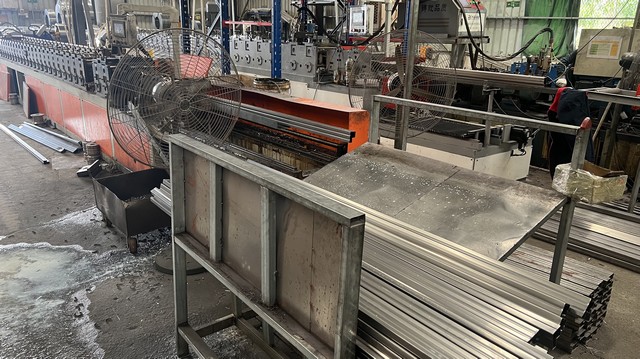
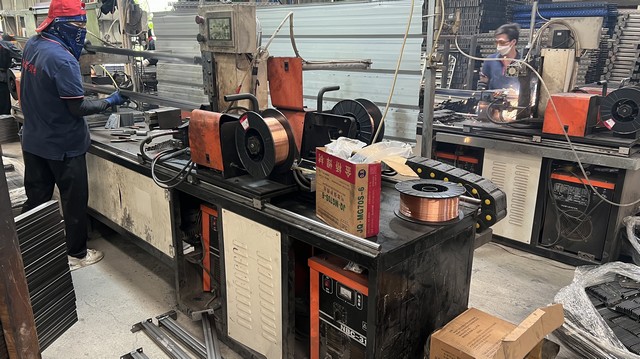
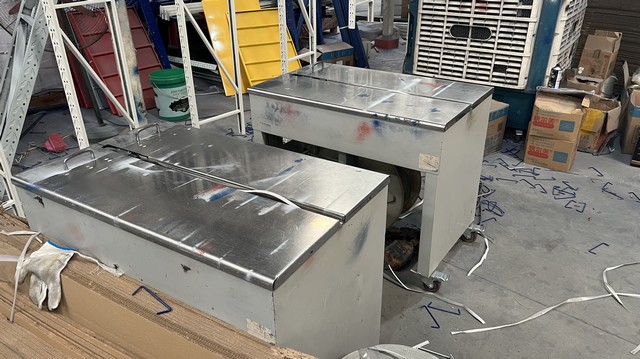
Our integrated manufacturing approach controls everything from rolling raw materials to automated powder coating and global distribution under one roof. This minimizes exposure to third-party shipping delays, maintaining short lead times and stable project pricing.
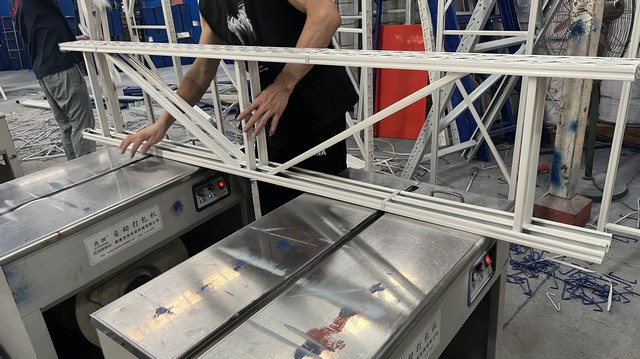
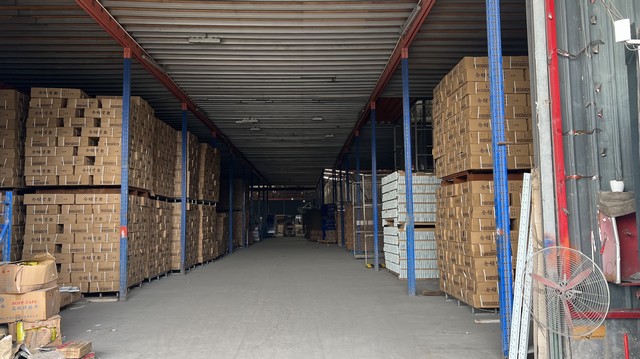
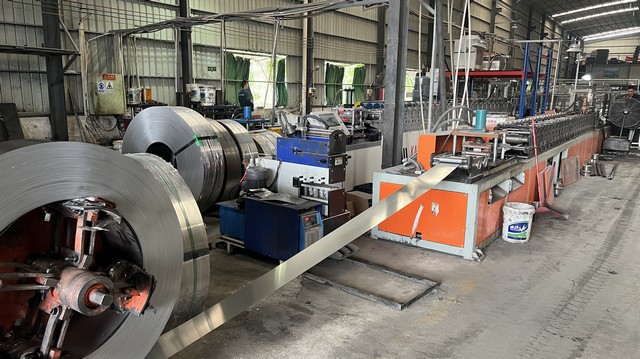
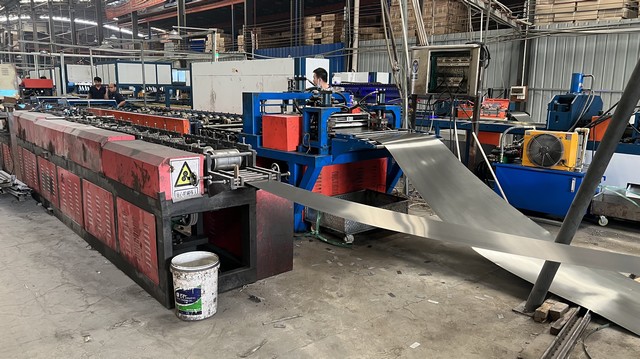
Designing optimized warehouse storage requires configuring systems to fit specific industrial dynamics, floor spaces, and temperature ranges.
Automated warehouses require narrow tolerance thresholds for deflection under heavy loads. Our adjustable heavy-duty pallet racks integrate seamlessly with Automated Storage and Retrieval Systems (AS/RS). Our high-precision cold-rolled columns ensure smooth crane alignment and uninterrupted system operation.
Cold chains present unique structural challenges. Materials must resist structural embrittlement at sub-zero temperatures (down to -30°C) while maintaining load capacity. Our electrostatic powder coatings are engineered to prevent micro-cracks and peeling caused by thermal contraction, resisting moisture and frosting.
For e-commerce facilities with high SKU density, maximizing vertical space is crucial. Our customizable multi-tier steel mezzanines double or triple floor space. These structural platforms support integrated conveyor systems, sorting zones, manual picking paths, and heavy pallet staging areas.
Detailed engineering explanations answering common technical questions for procurement managers, structural engineers, and facility planners.
A: The difference lies in their yield strength and chemical composition. Q235 carbon steel has a yield strength of 235 MPa and is suitable for light to medium-heavy racking. Q355 steel has a higher yield strength of 355 MPa, allowing for higher load capacities and thinner, lighter components without compromising safety. Q355 is preferred for tall, high-capacity installations like AS/RS and seismic-resistant configurations.
A: Under standard RMI (Rack Manufacturers Institute) guidelines, the maximum allowable vertical deflection of a loaded rack beam must not exceed L/200, where "L" represents the span length of the beam. For a 2700mm beam, the maximum deflection under a full design load must not exceed 13.5mm. Exceeding this limit can cause permanent deformation and unsafe load distribution.
A: Ultrasonic Flaw Detection (UFD) is a non-destructive testing (NDT) technique. We use high-frequency sound waves to inspect weld connections between beams and connector hooks. If a weld has internal voids, cracks, or poor fusion, the ultrasonic waves reflect early. Our QC inspectors reject any batch that does not meet Class I weld inspection standards.
A: Yes, they can. Our R&D team designs customized racking systems for seismic zones by using wider footplates, heavy-duty floor anchor bolts, thick diagonal bracing, and high-yield uprights. We configure these parameters based on regional seismic acceleration levels to ensure the systems remain stable during tremors.
A: We recommend weekly visual inspections by facility managers to look for structural frame damage, bent braces, or tilted columns. Every six months, a professional structural engineer should check column verticality, bolt torque levels, load-level stickers, and anchor conditions to ensure the system remains safe and compliant.
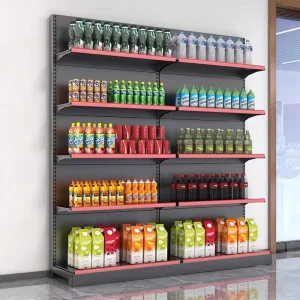
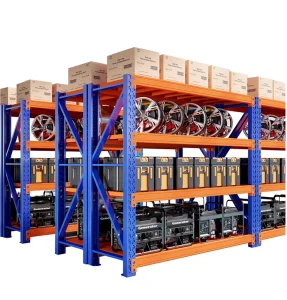
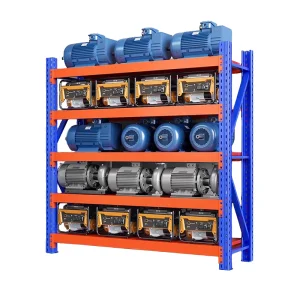
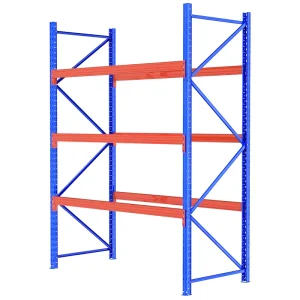
Browse our complete catalog of industrial shelving, multi-level platforms, and adjustable storage racking designs.
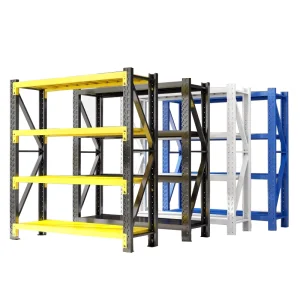
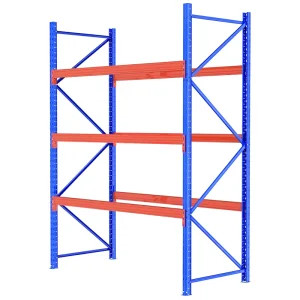
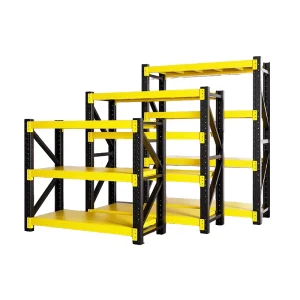
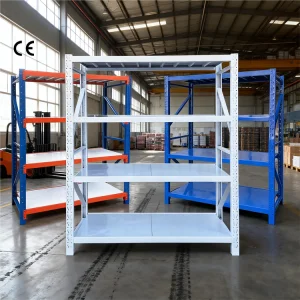
 Fangjiu Rack