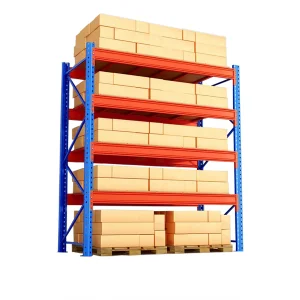
Premium vertical components engineered for high load-bearing operations, anti-corrosive longevity, and dynamic integration.
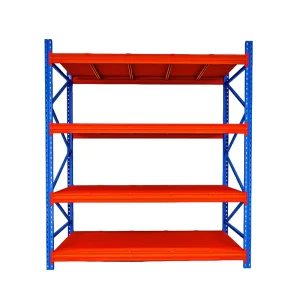
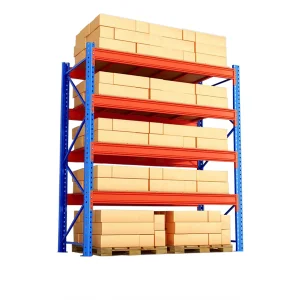
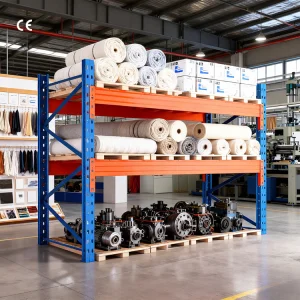
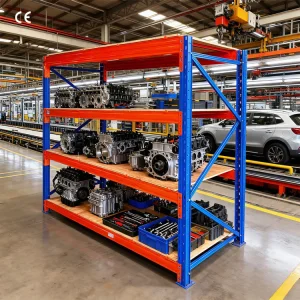
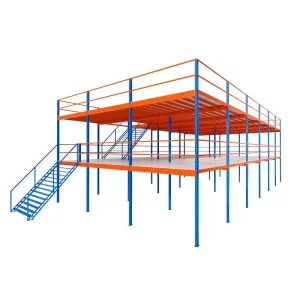
In modern industrial logistics, floor space is the most constrained resource. The emergence of automated warehousing and advanced vertical lift storage structures marks a paradigm shift in how warehouse space is utilized. Globally, smart factories and third-party logistics (3PL) centers are transitioning away from horizontal layouts. They are embracing structural configurations that utilize vertical space up to the ceiling limits, resulting in a floor space footprint reduction of up to 85%.
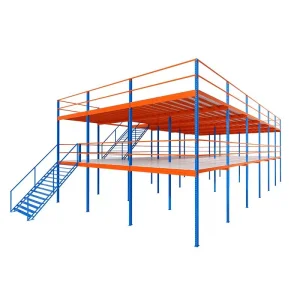
Modern Vertical Lift Modules (VLMs) and multi-tier structural mezzanine systems are no longer standalone racking assemblies. They function as critical load-bearing assets integrated with high-density conveyor belts, shuttle runs, and automated retrieval software, requiring strict compliance with deflection limits (such as L/240 or L/300) and localized seismic calculations.
Industrial warehousing is not a one-size-fits-all sector. Distinct verticals impose unique engineering demands on heavy-duty vertical systems:
Procurement directors evaluating factories must establish strict technical criteria to ensure structural reliability. The table below represents the industry standards for high-caliber heavy-duty storage manufacturing:
| Engineering Attribute | Standard Requirement | Guangzhou Fangjiu Factory Standard | Testing Verification Method |
|---|---|---|---|
| Steel Raw Material Grade | Q235B / Q355 Carbon Steel | Premium Certified Q235B & Q355 | Spectrochemical Analysis & Tensile Testing |
| Deflection Ratio Limit | L/240 under full load | L/300 (Superior stiffness margin) | Full Load Stress & Deflection Testing |
| Anti-Corrosion Finish | Powder Coating > 60μm | Electrostatic Epoxy Coating 80-120μm | Salt Spray Corrosion Testing (ISO 9227) |
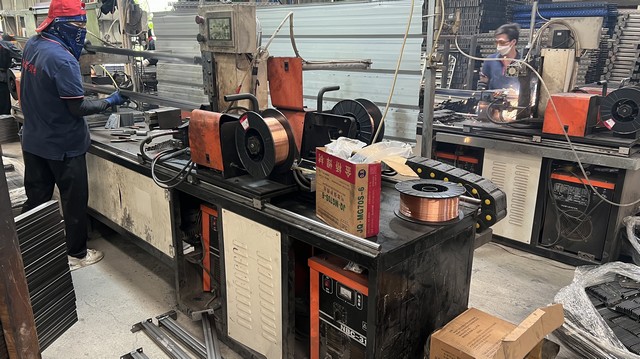
| Welding Quality Standard | AWS D1.1 / EN ISO 3834 | 100% Robotized Welding Compliance | Ultrasonic Flaw Detection (UT) |
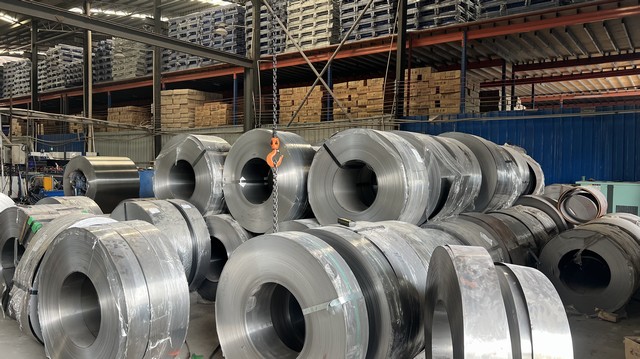
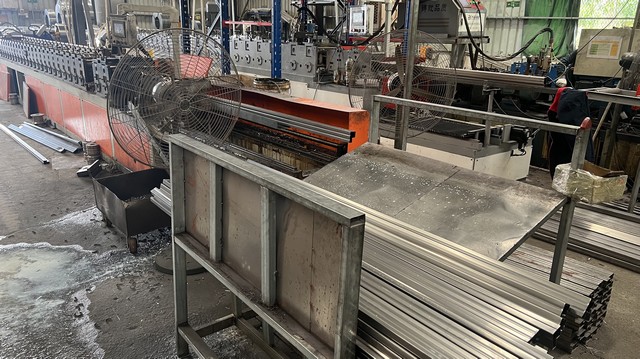
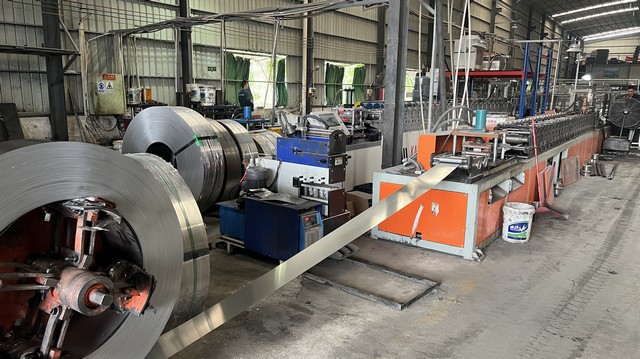
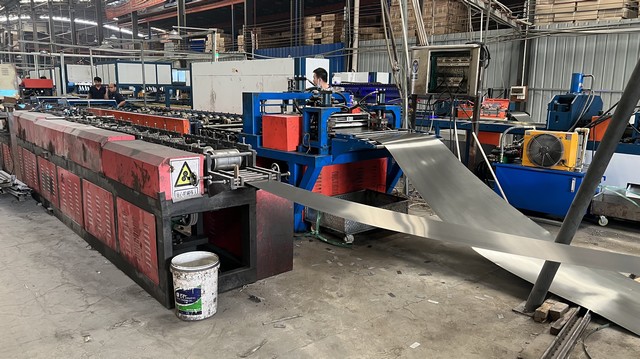
Established in 2013, Guangzhou Fangjiu Shelf Co., Ltd. has spent over a decade refining its manufacturing capabilities in structural racking, industrial shelving, and customized space-saving solutions. Operating from a modern facility spanning over 35,000 square meters, the company handles all aspects of production under one roof, including raw material processing, automated rolling, precision robotic welding, surface treatment, and global logistical distribution.
With 10 years of deep industry expertise and 7 years of focused export operations, Fangjiu has built a reliable global brand, shipping high-capacity solutions to primary markets across North America, Europe, Southeast Asia, and the Middle East, generating an annual export revenue of $49 million USD. The factory maintains strategic alliances with over 580 supply chain partners to ensure seamless sourcing of certified materials and competitive manufacturing lead times.
A transparent look inside our production bays, detailing our automated cold-roll lines, robotic welding stations, and powder-coating systems.
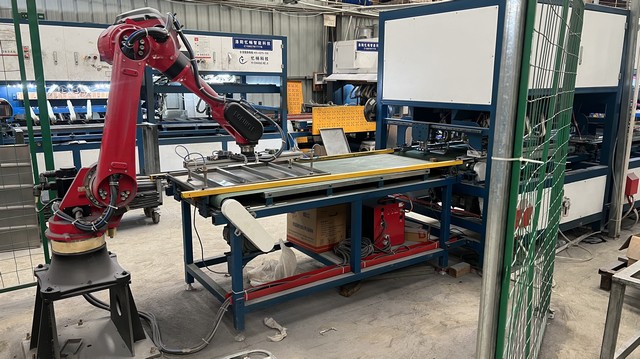
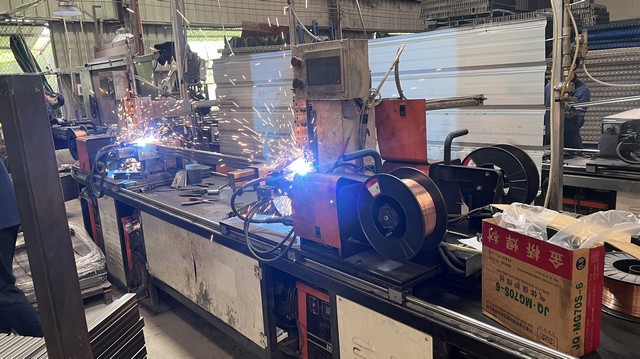
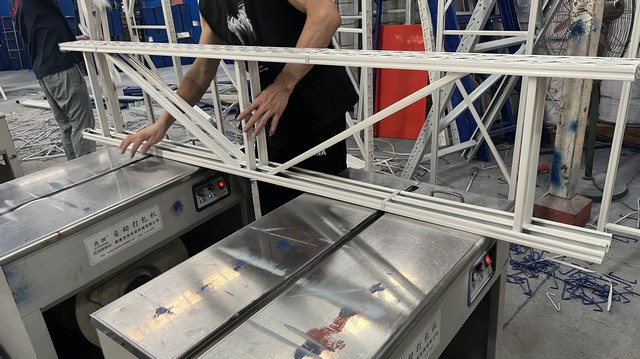
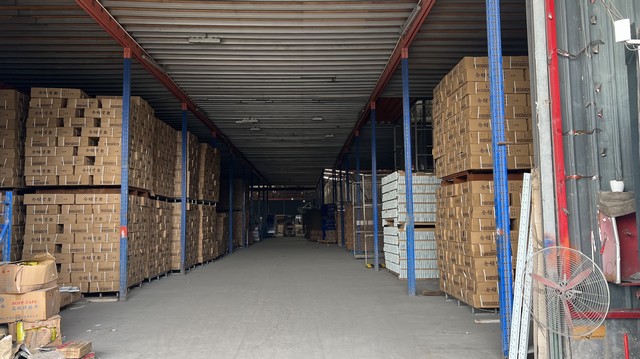
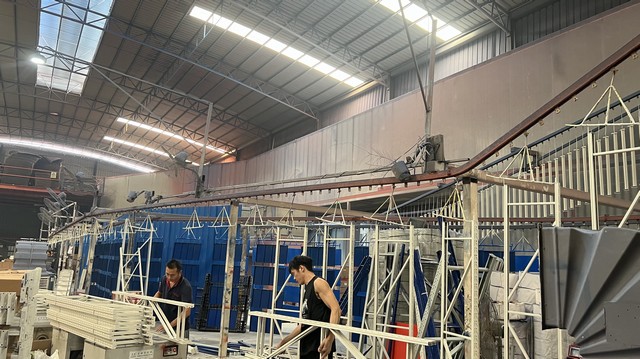
Fangjiu's engineering team, comprised of 25 R&D engineers, focuses on structural efficiency. In the past year alone, they have successfully designed and tested over 150 new structural systems. Key areas of development include:
Standard static shelving often fails under seismic dynamic load waves. Our designs utilize computer modeling (Finite Element Analysis) to evaluate dynamic earth movements. By engineering specialized baseplates, heavier upright profiles, and dynamic cross-bracings, our systems are optimized to perform in seismic zones worldwide.
Our automated powder-coating line applies electrostatic charge to distribute epoxy powder evenly, resulting in a finish thickness of 80 to 120 micrometers. This protects the steel from physical wear and moisture, resisting rust and corrosion even in humid environments or non-temperature-controlled facilities.
B2B enterprises often require unique structural sizes. We support complete customizations for beam lengths, upright profiles, structural thickness, color schemes, and decking types (including wire mesh, steel sheets, or composite wood decks) to match exact warehouse layout needs.
Fangjiu employs 38 dedicated QC inspectors who oversee a strict testing protocol at every stage of production. This includes Ultrasonic Flaw Detection for load-bearing weld beads, Salt Spray Testing for corrosion resistance, and Full Load Stress Testing to verify the physical deflection limits under load capacity.
Exporting structural steel systems requires compliance with localized safety and design standards. Fangjiu designs and manufactures structures to meet or exceed key global regulations:
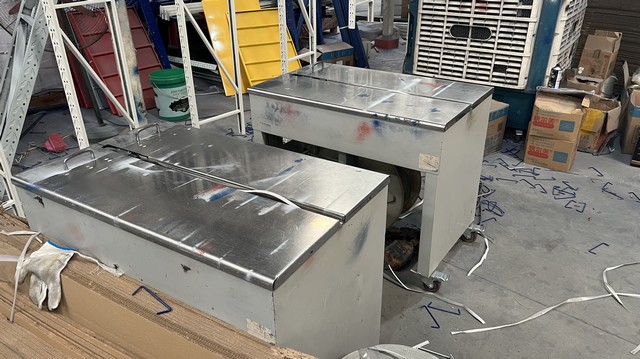
We work with international logistics partners to ensure all structural shipments are securely packaged using automated wrapping machines, reducing the risk of transport damage during overseas transit.
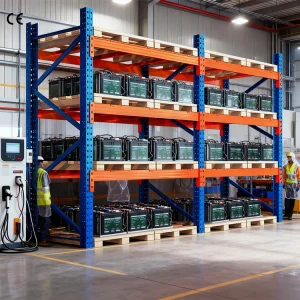
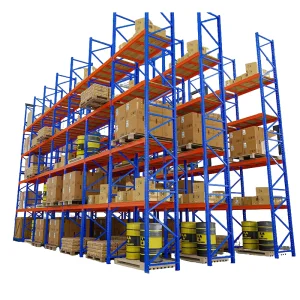
Heavy-duty, cold-rolled steel configurations designed for high-capacity warehouse storage.
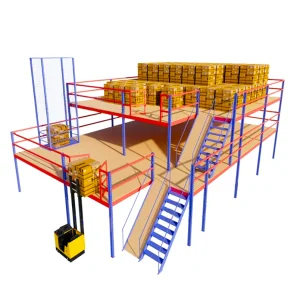
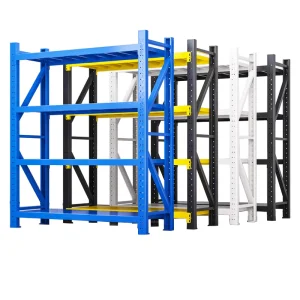
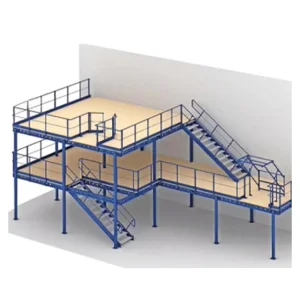
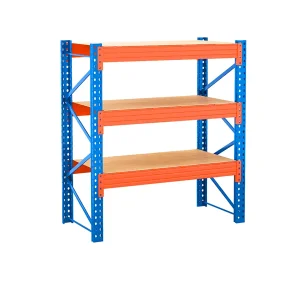
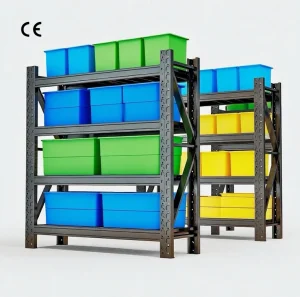
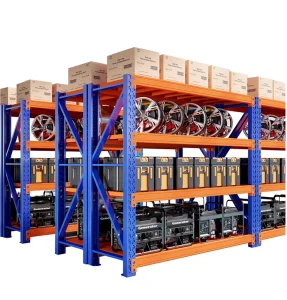
Answers to common engineering and purchasing questions regarding heavy-duty storage configurations.
Load capacity is verified using structural calculations based on steel sheet thickness, upright section profile, and beam design. Our QC team uses mechanical presses to conduct full-load stress and deflection tests, confirming compliance with the L/240 deflection standard before volume production begins.
Our automated powder coating line applies a finish between 80 and 120 micrometers, which is verified using thickness gauges. Under typical indoor warehouse operating conditions, this coating provides rust and corrosion protection for over 10 years, as verified by salt spray testing (ISO 9227).
Yes. Our R&D engineering team designs custom configurations to meet specific seismic requirements (including RMI and AS4084 guidelines). This includes utilizing thicker baseplates, high-tensile anchor bolts, and specialized bracing to ensure stability.
Standard OEM/ODM design approval typically takes 3 to 7 working days. Once structural drawings are approved, production is completed within 20 to 30 days, supported by our automatic roll-forming and robotic welding lines.
 Fangjiu Rack