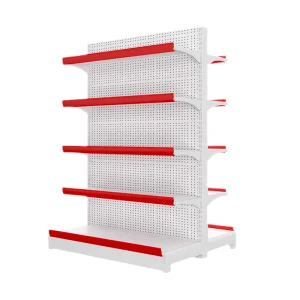
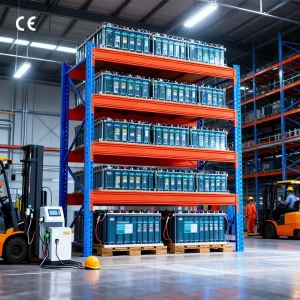
Explore our foundational range of heavy-duty storage configurations engineered for industrial load compliance, extreme durability, and space optimization.
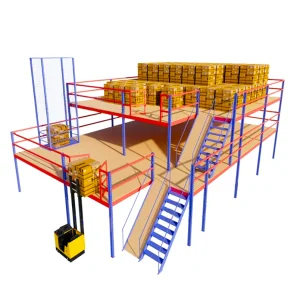
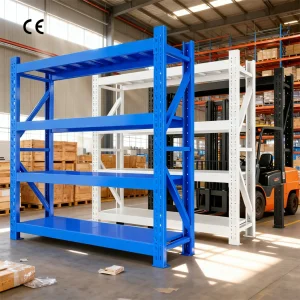
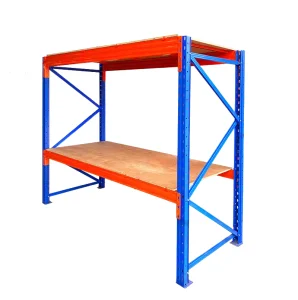
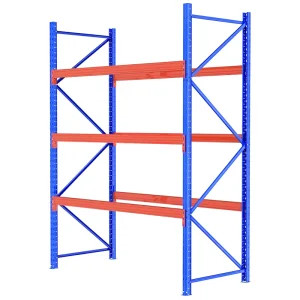
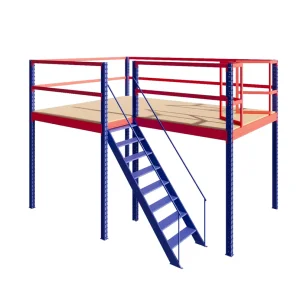
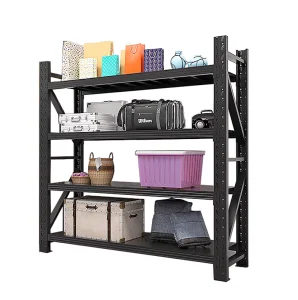
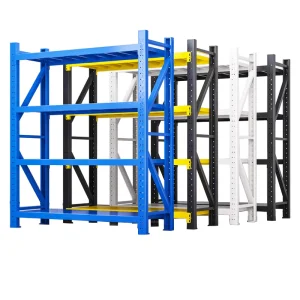
Analyzing the shift from static high-density storage to dynamic gravity-driven and automated inventory flow control systems.
In modern intralogistics, live storage racks (also widely known as gravity flow racks or pallet flow racking) represent the peak of passive, energy-efficient, high-density warehousing. Operating on a strict First-In, First-Out (FIFO) dynamic, these systems utilize slightly sloped roller tracks or wheel beds that allow palletized loads or cartons to glide effortlessly from the loading aisle to the picking face. As global supply chains prioritize throughput speed and footprint minimization, understanding the technical trajectory of live racking systems has become critical for B2B enterprise procurement directors and 3PL planners.
Traditional gravity systems rely purely on mechanical centrifugal brakes. Next-generation systems feature self-adjusting hydraulic speed controllers. These devices dynamically sense the incoming load's velocity and weight, applying calibrated braking force to prevent runaways and impact damage at the picking face.
The convergence of live storage with automated guided vehicles (AGVs) and stacker cranes demands unprecedented structural tolerance. Today’s premier factories manufacture racks with guided entry tracks, precise positioning sensors, and custom deflection profiles to ensure seamless integration with automated handling fleets.
Moving toward predictive maintenance, IoT-enabled rollers equipped with microscopic piezoelectric energy-harvesting sensors are undergoing factory pilots. These smart rollers monitor rotation speed, temperature profile, and vibration frequencies to notify warehouse managers of structural fatigue before failure occurs.
Determining whether to deploy Drive-In racking, Radio Shuttle lanes, or Gravity Live Storage requires careful structural assessment. The table below outlines the core operating paradigms:
| System Type | Space Utilization | Operating Principle | Throughput Rate | Initial ROI Cycle |
|---|---|---|---|---|
| Gravity Live Storage (FIFO) | Up to 85% Volumetric Efficiency | Dynamic Gravity flow (Self-running) | High (Simultaneous load/unload) | 18 - 24 Months |
| Drive-In Racking (LIFO) | Up to 70% Volumetric Efficiency | Forklift drives directly into bays | Low (High risk of rack collision) | 12 - 18 Months |
| Radio Shuttle System (FIFO/LIFO) | Up to 85% Volumetric Efficiency | Semi-automated robotic shuttles | Medium-High (Battery dependent) | 36+ Months |
How tailored gravity flow configurations optimize sector-specific processing challenges and operational throughput.
In temperature-controlled facilities, storage space is highly expensive. Dynamic live storage racks optimize floor space while maintaining strict FIFO rotation, ensuring that perishable goods, pharmaceuticals, and frozen inventory do not exceed their safe storage limits. Specialized steel alloys are utilized to prevent low-temperature embrittlement.
Automotive assembly lines require continuous material flow. Carton flow and gravity live storage racks installed at line-side picking stations allow component sub-assemblies to feed directly to operators. This configuration reduces forklift traffic in production zones and minimizes line-down incidents.
Fast-Moving Consumer Goods (FMCG) benefit from the separating lanes of gravity flow systems. By dividing loading and picking aisles, order pickers work uninterrupted by loading machinery, raising picking rates by up to 150% compared to traditional static shelving configurations.
Inside Guangzhou Fangjiu Shelf Co., Ltd. - a decade of precision steel fabrication, automated lines, and ISO-compliant output.
With 10 years of deep industry expertise and 7 years of export experience, our brand has grown into a trusted storage solution supplier worldwide. Our products are exported to primary markets across North America, Europe, Southeast Asia, and the Middle East, generating an annual export revenue reaching $49 million USD. We maintain robust strategic alliances with over 580 reliable supply chain partners to ensure seamless sourcing, consistent material quality, and competitive lead times.
Quality and safety are at the core of our operations. Our dedicated quality assurance division comprises 38 professional QC inspectors who enforce stringent quality control protocols at every manufacturing stage. Utilizing advanced testing methods—including Ultrasonic Flaw Detection for critical welds, Salt Spray Corrosion Testing, Automated Powder Coating Coating Thickness Measurement, and Full Load Stress & Deflection Testing—we ensure every rack system meets ISO 9001 and international safety standards.
We cater to a diverse clientele, primarily serving B2B enterprise buyers, third-party logistics (3PL) providers, industrial warehouse developers, and global racking importers. Backed by a professional team of 25 R&D engineers, we possess robust research and development capabilities, successfully launching over 150 new innovative products and structural designs in the past year alone. Our comprehensive OEM & ODM customization options allow clients to tailor beam capacities, upright profiles, decking types, color schemes, and specialized anti-seismic rack structures to meet precise warehouse layout requirements.
We believe that structural reliability starts with process automation. Below is an engineering walkthrough of our key manufacturing steps, displaying the automated infrastructure that guarantees structural stability across all racking units:
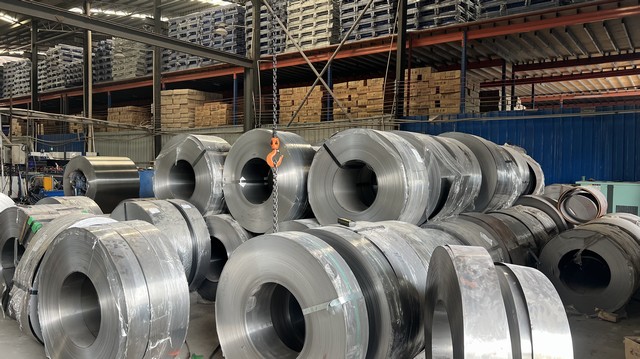
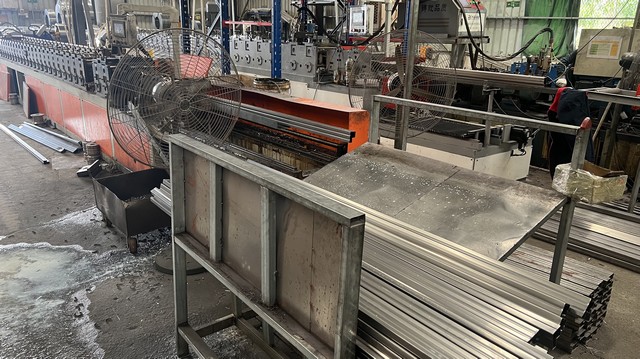
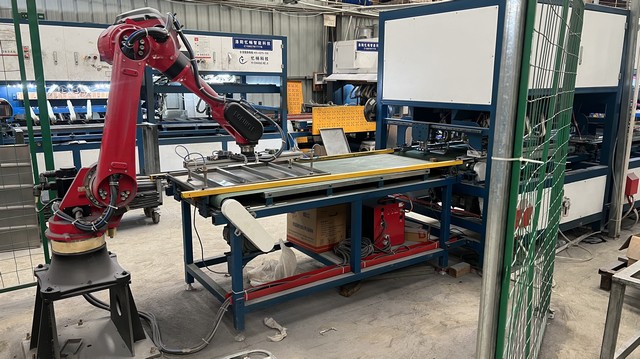
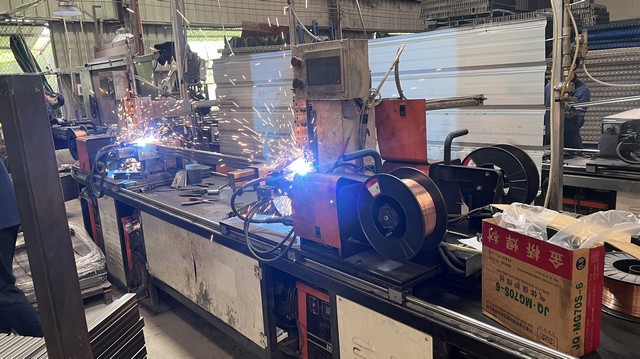
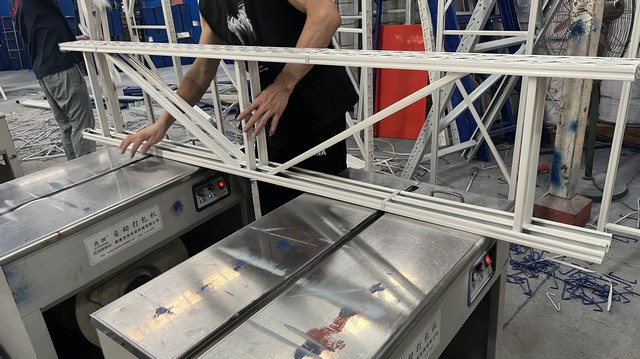
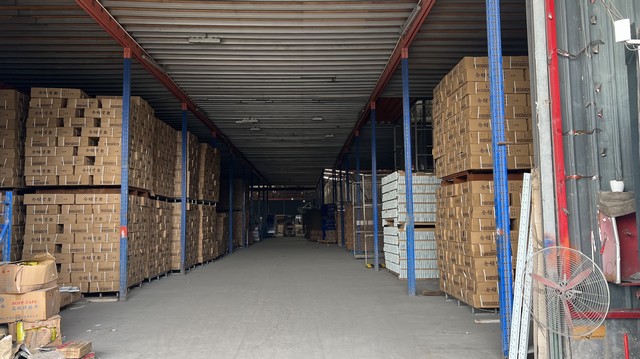
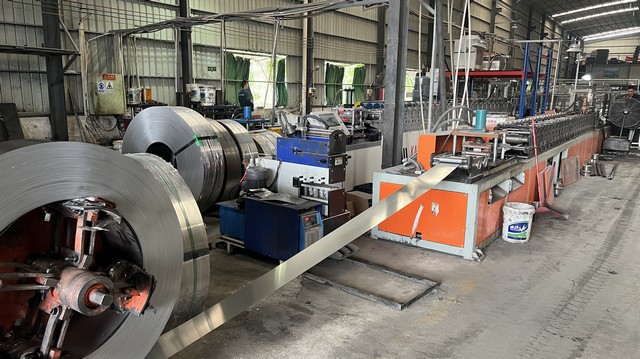
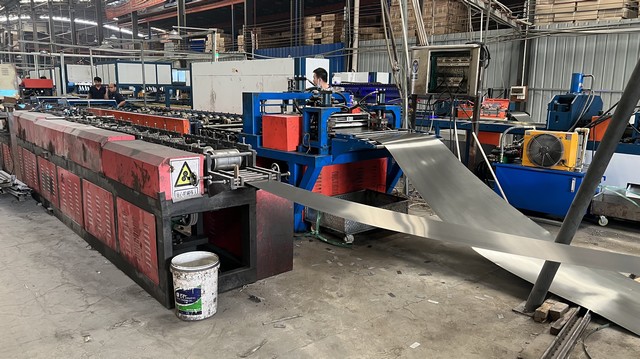
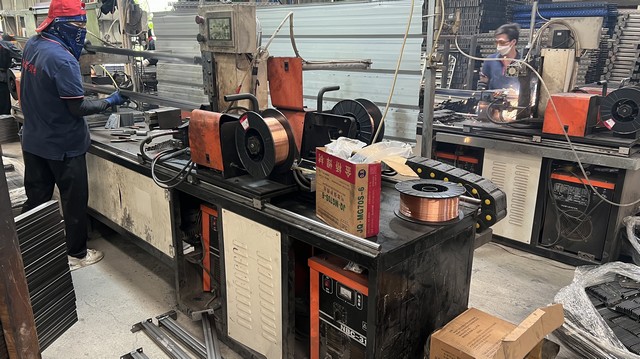
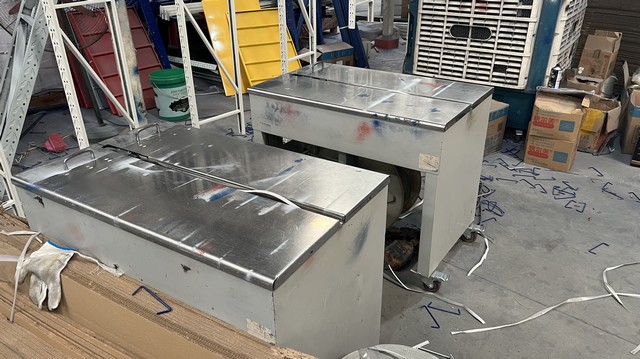
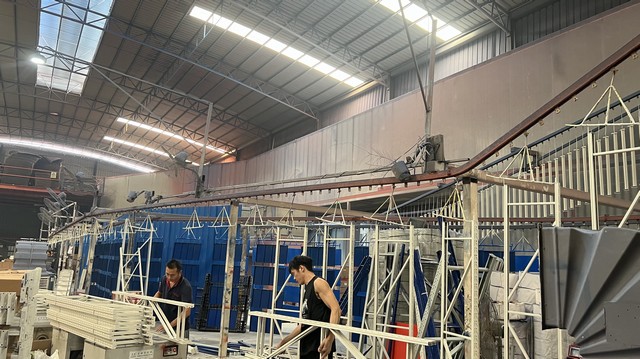
Ensuring compliance with regional engineering standards to guarantee safe structural limits and regulatory approval.
When selecting a global storage rack manufacturer, compliance with regional structural engineering standards is a legal necessity. Racking failures in high-bay structures can cause severe financial and life-safety liabilities. Leading factories ensure their calculations undergo localized stress analysis according to the following dynamic frameworks:
Specifies structural testing requirements, design margins, and safety factors for adjustable pallet racking systems. Essential for any warehouse development within the European Economic Area.
The standard reference for structural design of industrial steel storage racks in North America. Utilized to achieve building permit approvals and satisfy OSHA warehouse safety inspections.
Global baseline for manufacturing quality management. Advanced systems undergo localized finite element analysis (FEA) to confirm performance under seismic zone parameters (e.g., ASCE 7 requirements).
A step-by-step checklist to navigate technical specifications, customs, and OEM/ODM options.
For B2B procurement managers, purchasing live storage systems requires managing multi-faceted technical specifications. Below is the operational sequence required to minimize lead time variations and avoid design mismatches:
Addressing the technical, structural, and procurement questions asked by engineering and logistics executives.
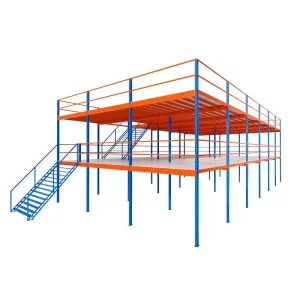
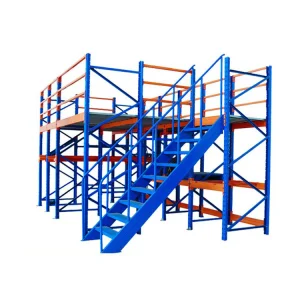
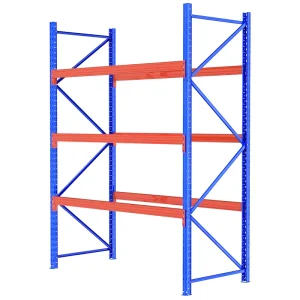
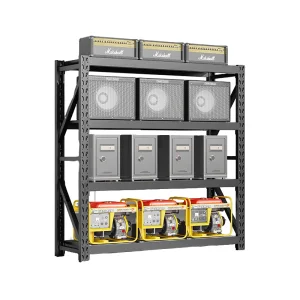
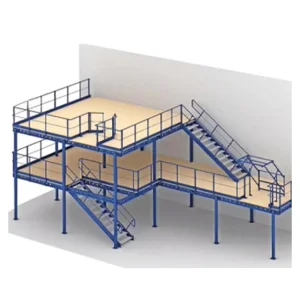
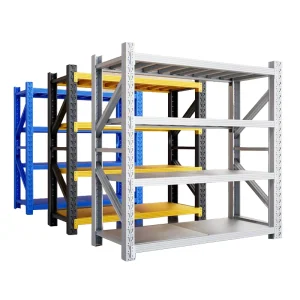
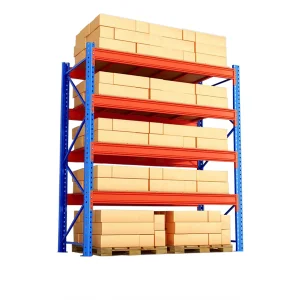
Explore our heavy-duty industrial storage racks, retail shelving setups, and structural mezzanines designed for maximum spatial optimization.
 Fangjiu Rack