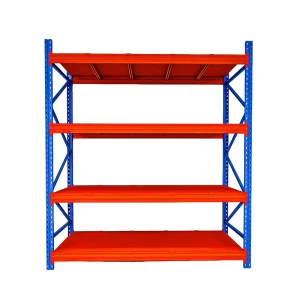
`

Top 10 Adjustable Shelving Factories & Suppliers

A Comprehensive Whitepaper & Strategic Sourcing Guide for Global Industrial Storage Infrastructure and Mezzanine Engineering Solutions

1. Executive Summary: Global Procurement Strategy for Adjustable Shelving Systems

In the modern era of logistics and automation, warehousing space optimization is no longer just a facility management task; it is a critical driver of supply chain resilience. Global commercial and industrial spaces demand storage solutions that are load-resilient, modularly configurable, and compliant with international engineering safety benchmarks. As multi-channel fulfillment dictates faster inventory turnover, adjustable shelving systems have transitioned from static rack structures to dynamic, high-density storage platforms integrated with automation components.

Key Insight for Strategic Buyers: Industrial shelving systems must satisfy rigorous standards for seismic load tolerance, dynamic structural stability (FEA testing), and surface corrosion resistance, specifically targeting zero-downtime integration with automated guided vehicles (AGVs) and warehouse management software (WMS).

2. Technical Blueprint: Material Standards & Deflection Mechanics

From a metallurgical perspective, industrial adjustable shelving requires precise control of steel chemistry. Leading manufacturing hubs utilize high-tensile cold-rolled steel, such as Q235B or Q355B grades (equivalent to ASTM A36 and A572 respectively), offering optimal yield strength to withstand dynamic load stresses. The upright punch hole design (typically butterfly, teardrop, or hexagonal profiles) is precision-machined to ensure that vertical load distribution is isotropic across structural beams.

Surface Coating & Environment Adaptability: To withstand varying temperature and humidity factors—particularly in cold-chain logistics or maritime transit environments—epoxy powder coatings must be thermoset at controlled temperatures, achieving a thickness range of 60 to 90 microns. For high-moisture or chemical exposures, hot-dip galvanization or zinc-coated layers must be applied to prevent oxidation and micro-fissuring of the base steel structure.

3. Corporate Capability Case Study: Guangzhou Fangjiu Shelf Co., Ltd.

Established in 2013, Guangzhou Fangjiu Shelf Co., Ltd. is a leading manufacturer specializing in heavy-duty warehouse racking systems, industrial shelving, and customized storage solutions. Spanning a modern facility of over 35,000 square meters, we integrate raw material processing, automated production, strict quality inspection, and global distribution under one roof.

With 10 years of deep industry expertise and 7 years of export experience, our brand has grown into a trusted storage solution supplier worldwide. Our products are exported to primary markets across North America, Europe, Southeast Asia, and the Middle East, generating an annual export revenue reaching $49 million USD. We maintain robust strategic alliances with over 580 reliable supply chain partners to ensure seamless sourcing, consistent material quality, and competitive lead times.

35,000+
Sqm Facility Area
$49M
Annual Export Revenue
580+
Supply Chain Partners
25
R&D Engineers

Quality and safety are at the core of our operations. Our dedicated quality assurance division comprises 38 professional QC inspectors who enforce stringent quality control protocols at every manufacturing stage. Utilizing advanced testing methods—including Ultrasonic Flaw Detection for critical welds, Salt Spray Corrosion Testing, Automated Powder Coating Thickness Measurement, and Full Load Stress & Deflection Testing—we ensure every rack system meets ISO 9001 and international safety standards.

We cater to a diverse clientele, primarily serving B2B enterprise buyers, third-party logistics (3PL) providers, industrial warehouse developers, and global racking importers. Backed by a professional team of 25 R&D engineers, we possess robust research and development capabilities, successfully launching over 150 new innovative products and structural designs in the past year alone.

Our comprehensive OEM & ODM customization options allow clients to tailor beam capacities, upright profiles, decking types, color schemes, and specialized anti-seismic rack structures to meet precise warehouse layout requirements. At Guangzhou Fangjiu Shelf Co., Ltd., we deliver reliable, space-efficient, and durable storage rack solutions tailored to scale your operational efficiency.
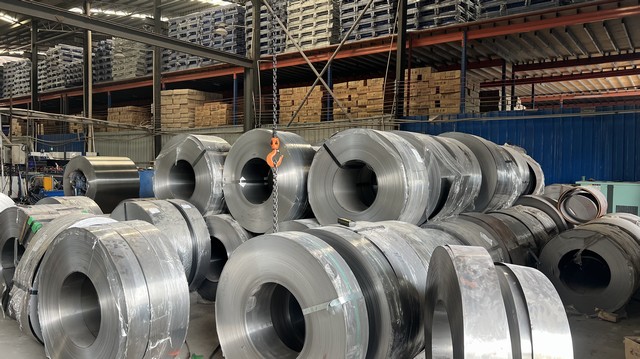
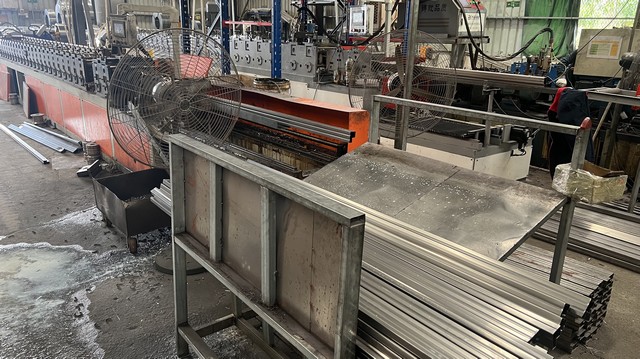
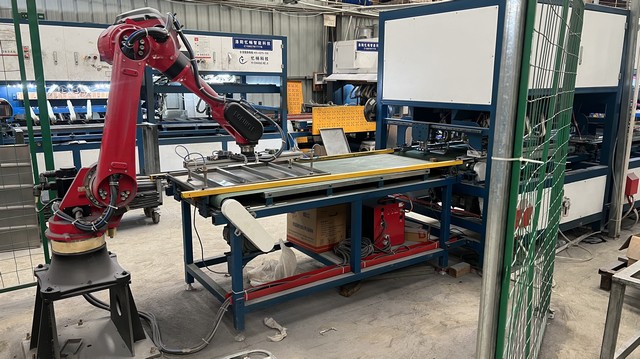
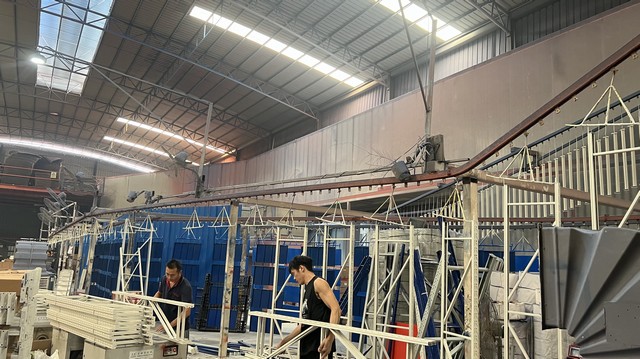
Industrial Manufacturing & Fabrication Processes

Transparent lifecycle production utilizing advanced CNC machining, precision welding, and automated powder-coating lines.

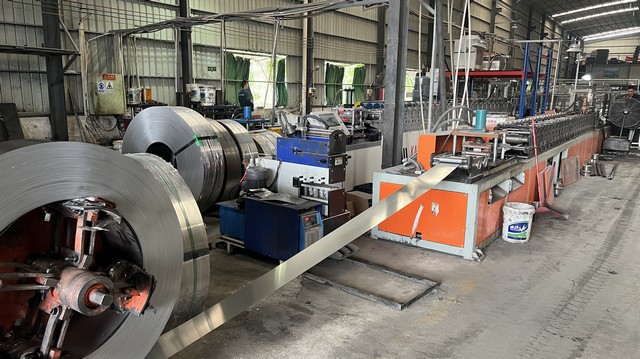
Raw Material Preparation
Rolling Process
Rolling
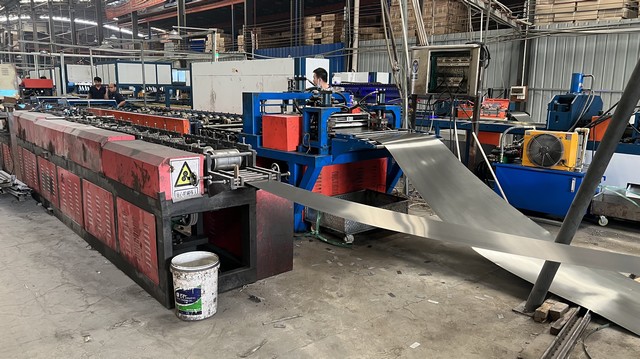
Rolling Process Line
Rolling
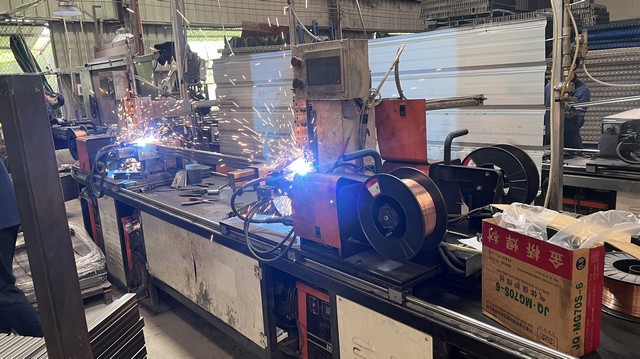
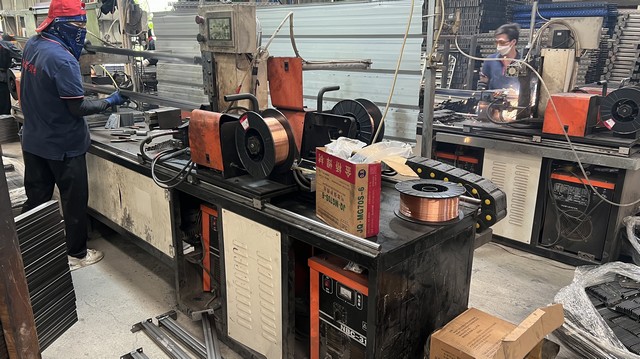
Welding Process
Welding
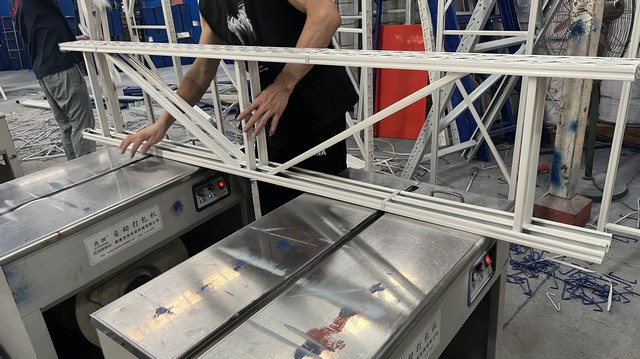
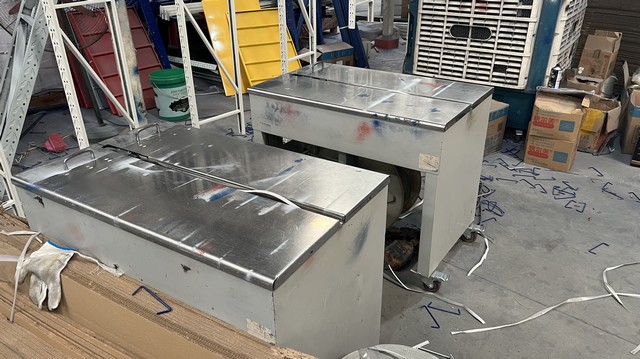
Packing Process
Packing
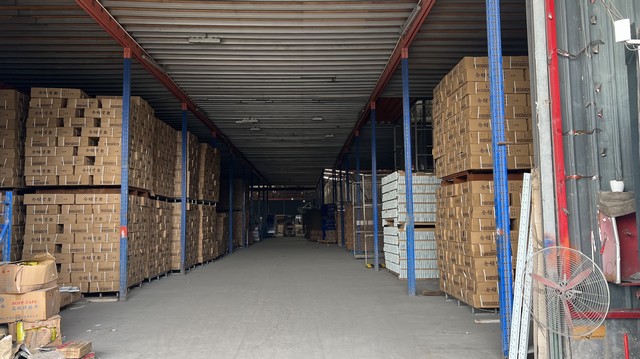
Warehouse Storage
Warehouse
Square Tube Rolling Production Line
Fully Automatic Rolling Production Line
Welding Production Line
Packing Machine
Packing Machine
Powder Coating Production Line

Macro-Industry Storage & Structural Solutions

Tailoring adjustable shelving dynamics to target industry-specific logistical frameworks.

Cold Chain Storage & Thermal Load Deflection

Sub-zero warehousing (down to -30°C) introduces metallurgical brittleness. Guangzhou Fangjiu employs low-temperature structural steels and powder formulations designed to resist thermal shock and micro-cracking, preserving load capabilities under strict hygiene conditions.

High-Throughput e-Commerce & 3PL Hubs

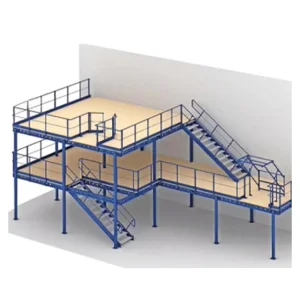
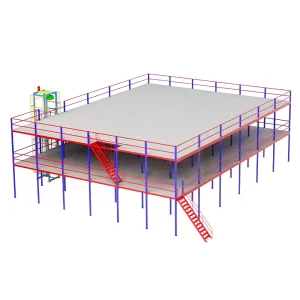
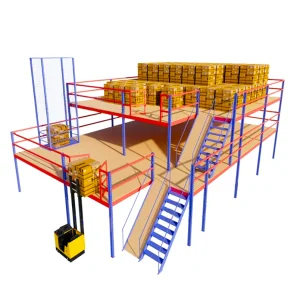
E-commerce centers run multi-shift pick-and-pack schedules requiring highly adjustable carton-flow and mezzanine integrations. Modular connector pins allow rapid re-configuration of bay profiles as SKU demographics shift season to season.

Heavy Machinery & Industrial Tooling

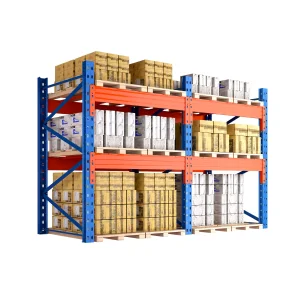
High concentrated load profiles require I-beam structures and thickened shelf decks. Our heavy-duty systems sustain uniform distributed loads (UDL) up to 5,000kg per layer, with added support beams and impact deflectors at critical structural nodes.

4. Technical Roadmap & Future Outlook: Next-Generation Storage Systems

The intralogistics sector is undergoing rapid digital transformation. Traditional steel racks are evolving into "Smart Storage Ecosystems." The development roadmap for structural shelving includes integrating real-time telemetry, structural health sensors, and green manufacturing practices to achieve corporate ESG compliance.

IoT Load & Deflection Telemetry: By installing strain gauges and fiber optic sensors directly within key upright structures and horizontal support beams, warehouse managers receive structural stress alerts. If loading exceeds structural limits, automatic systems alert the WMS, reducing failures and warehouse floor accidents.

Eco-designed Green Shelving: Modern manufacturing lines are shifting toward low-carbon "green steel" processes and VOC-free powder coats. Reducing energy usage during the curing process minimizes the environmental footprint of heavy industrial components, supporting corporate sustainability goals.

5. Global Regulatory Compliance & Structural Safety Standards

Structural integrity on the warehouse floor is a regulatory requirement subject to strict global codes. Depending on the installation territory, adjustable shelving systems must comply with distinct engineering specifications:

  • North America: Rack Manufacturers Institute (RMI) standards (ANSI MH16.1), requiring comprehensive structural testing and impact resistance margins.
  • Europe: EN 15512 and EN 15635 codes governing adjustable pallet racking tolerances, safety calculations, and mandatory yearly inspections.
  • Australia: AS 4084-2012 Steel Storage Racking specifications, mandating specific baseplate anchorages and upright guard configurations.
  • Global Quality: ISO 9001:2015 for manufacturing consistency, along with Weld Quality Standards under AWS D1.1.

Frequently Asked Questions

Technical clarifications on steel specifications, seismic designs, and procurement timelines.

What is the difference between static and dynamic load capacity in adjustable shelving?
Static load capacity refers to the weight a shelf layer can support when the cargo is stationary and placed uniformly. Dynamic load capacity refers to the stress threshold during forklift placement, loading movements, or pallet impacts. Structural calculations must account for dynamic shear forces to ensure safety.
Why is Q235B cold-rolled steel preferred over structural carbon steel?
Q235B provides a balanced combination of mechanical properties: yield strength (minimum 235 MPa), tensile strength, ductility, and weldability. Cold-rolling enhances this yield strength and provides superior dimensional consistency, ensuring key connectors lock into the uprights without loose tolerances.
How does the environmental rating affect selection of powder coating versus galvanization?
Standard indoor warehouse environments are suited for electrostatic powder coating. For cold storage, high-humidity rooms, chemical processing facilities, or outdoor marine environments, hot-dip galvanizing or specialized zinc coatings are required to protect the steel base from oxidation.
Can Guangzhou Fangjiu design seismic-rated storage racking systems?
Yes. Our engineering division utilizes finite element analysis (FEA) software to model seismic stress profiles based on your local building code requirements (e.g., ASCE 7). We construct reinforced baseplates, cross-bracings, and higher grade steel sections to absorb lateral seismic forces.
What parameters are required to receive a customized OEM/ODM design proposal?
To provide a detailed layout design, we require: warehouse layout dimensions (CAD files preferred), clearance height beneath ceiling beams, product dimensions (including pallet configurations), maximum load per tier, and any specialized environment conditions.