Industrial Engineering Whitepaper

OEM/ODM Steel Platforms Factories & Factory

Custom Engineering, Global Building Code Compliance, and Advanced Structural Steel Mezzanines Designed for Global Enterprise Operations.

Deep Engineering Insight

The Structural Mechanics of Industrial Steel Platforms

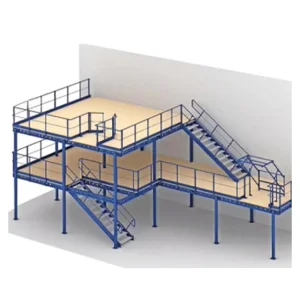
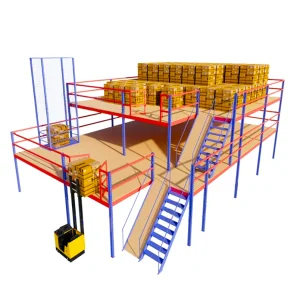
Industrial steel platforms and structural mezzanines represent the apex of space-optimization engineering. These structures are not merely shelves; they are load-bearing engineering feats designed to withstand severe dynamic and static loads. Calculating structural integrity requires strict adherence to global limits like L/240 (standard deflection) or L/360 (stricter limits for dynamic machinery or sensitive electronics).

At the core of structural design is material selection. Utilizing high-tensile Q235B and Q355B (equivalent to ASTM A36 and S355JR respectively), our structural members are optimized to handle capacities ranging from 300kg/m² up to 2000kg/m². Structural safety hinges on precise column grid planning, beam-to-column connection stiffness, and localized structural load bearing capacity.

“By optimizing structural layouts with high-yield strength steel, global warehousing enterprises can double their usable square footage without the capital expenditure of physical building expansion.”

Ultimate Deflection Limits

Strict design criteria matching BS EN 1993-1-1 and RMI standards to prevent dynamic platform bounce.

Optimized CapEx

Significantly lower cost per square foot compared to traditional commercial brick-and-mortar additions.

Manufacturing Excellence

Guangzhou Fangjiu Shelf Co., Ltd.

A decadal legacy of engineering custom steel platform and warehousing racking solutions for global logistics, B2B procurement, and 3PL enterprises.

35,000 m² Advanced Facility

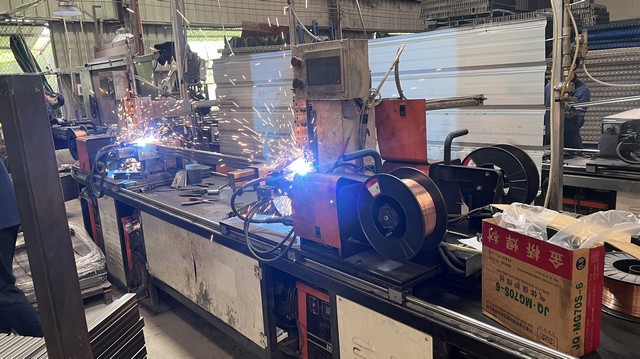
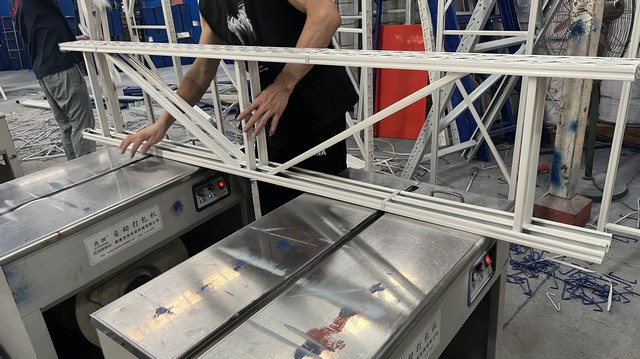
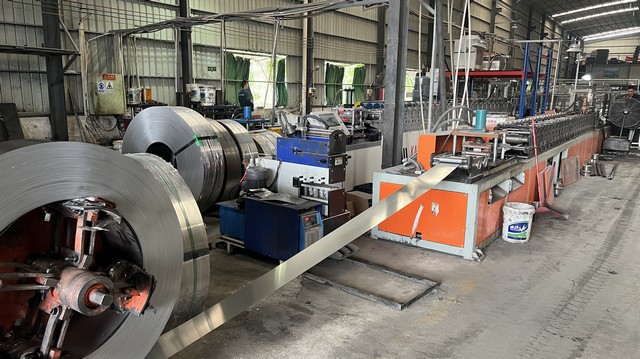
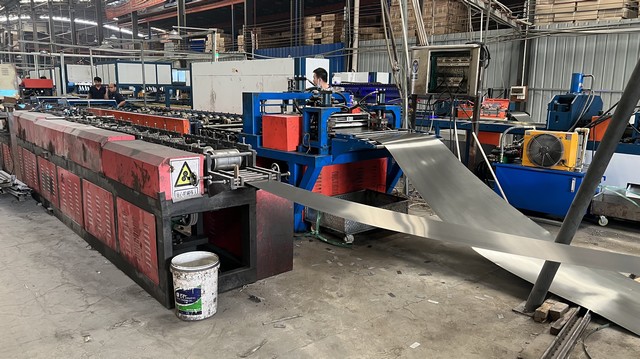
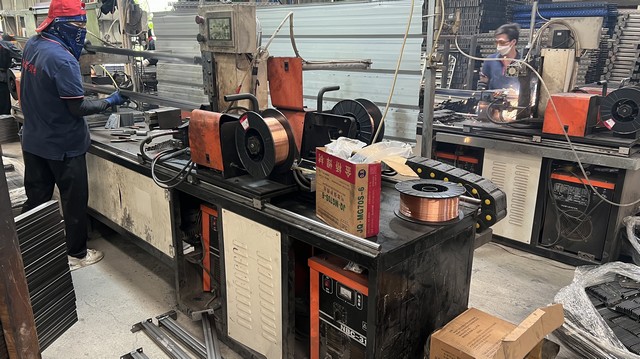
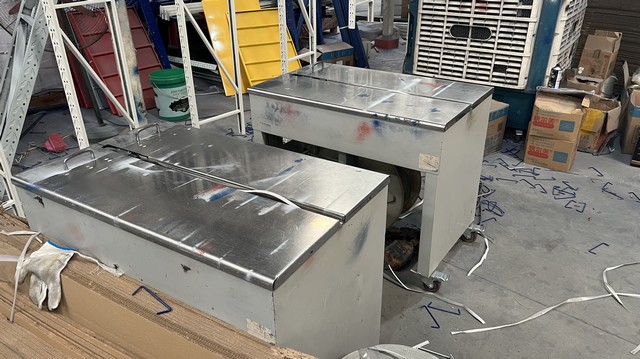
Integrating raw material preparation, continuous automatic roll forming lines, heavy-duty welding, and packaging lines under one roof.

Rigid QA Protocol (38 QC Inspectors)

Applying Ultrasonic Flaw Detection for welds, Salt Spray Corrosion tests, Coating Thickness checks, and Full Load Stress Testing.

25 R&D Engineers

Delivering comprehensive OEM/ODM customization options for beam profiles, decking materials, and localized anti-seismic calculations.

2013
Established Year
$49M+
Annual Export Revenue
580+
Supply Chain Partners
150+
New Structural Designs Yearly
Visual Factory Tour

Advanced Production Line Processes

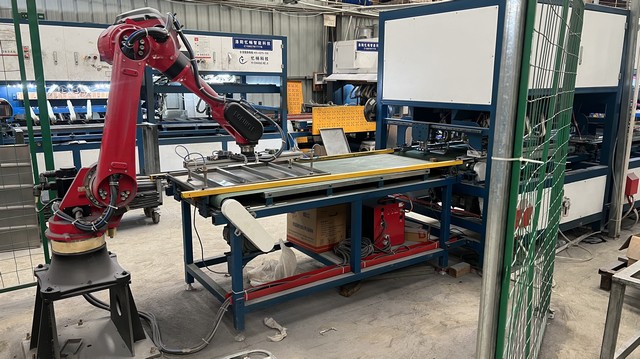
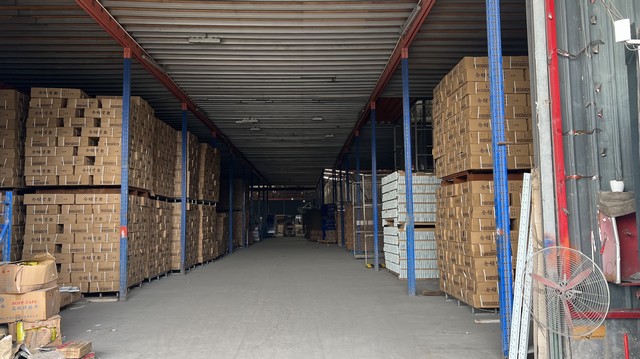
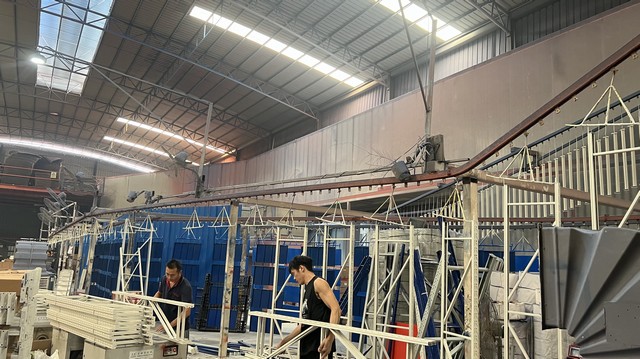
A visual look inside our fabrication units, showcasing automated lines that ensure high dimensional accuracy and finish quality.
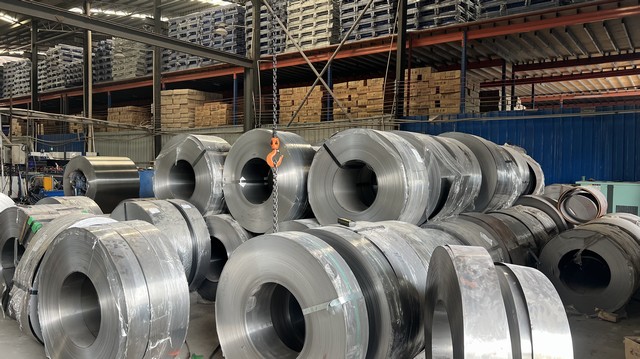
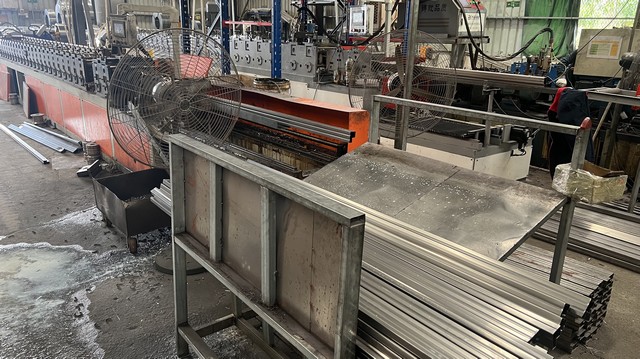
Raw Material Preparation
Rolling Process 1
Rolling Process
Rolling Process 2
Rolling Process
Welding
Welding
Packing
Packing
Finished Goods Warehouse
Square Tube Rolling Production Line
Square Tube Rolling Line
Fully Automatic Rolling Production Line
Fully Automatic Rolling Line
Welding Production Line
Automatic Packing Machine
Powder Coating Production Line
Powder Coating Line

China Supply Chain Advantages & Cost Optimization

China remains the epicenter of high-grade metallurgical production. Operating from our hub in Guangzhou, Guangzhou Fangjiu Shelf Co., Ltd. utilizes direct vertical relationships with primary steel mills to secure high-quality coil and plate feedstocks. Through this integration, we bypass middle-tier distributor markups, passing significant pricing advantages directly to our enterprise clients.

Furthermore, our production is powered by state-of-the-art automation: computer numerical controlled (CNC) rolling mills, robotic multi-axis welding machines, and an eco-friendly electrostatic powder-coating line. This high level of process automation ensures tight tolerances (within ±0.5mm), reducing installation labor on-site and lowering structural defect rates to near zero.

Engineering Compliance: Meeting Globally Rigorous Standards

A structural platform is only as good as its safety certification. We plan and configure mezzanine systems in compliance with region-specific guidelines:

ANSI / RMI MH16.1
North American standards governing steel frames and platform deflections.
BS EN 15512 / CE
Strict structural steel calculations and dynamic load regulations across the EU.
AS 4084-2012
Australian engineering standards for racking structures and high-seismic designs.
OSHA & IBC
Handrail, staircase, and toe-board integration for ultimate on-site worker safety.

Local Application Scenarios & Design Formats

Steel platforms must adapt to the operational demands of the space. Below are the primary configurations designed by our engineering department:

3PL & E-commerce Fulfillment Hubs

Often designed as multi-tier pick towers (up to 4 levels). Features high dynamic-load resistance to integrate horizontal rollers, high-speed conveyors, sorting lines, and autonomous mobile robots (AMRs).

Heavy Manufacturing Assembly Platforms

Engineered for high point loads. Columns are positioned to span existing machinery without disrupting production lines. These platforms incorporate thick steel floor grating or wear-resistant steel plate decking.

Cold Storage & Temperature-Controlled Spaces

Designed using hot-dip galvanized finishes or specialized low-temperature powder coatings. Resists condensation, corrosion, and structure degradation in ambient temperatures down to -30°C.

Future Trends in Industrial Mezzanine & Structural Platforms

As logistics moves toward high-density automation, the requirements for steel platform engineering are pivoting. We are tracking and developing three core industrial trends:

  • AGV & AMR Integration: Platforms require extremely tight flat-level tolerances (within 2mm deflection over a 10-meter span) to allow laser-guided vehicles to operate without navigation slip.
  • Sustainable Finishing: Shifting away from heavy solvents toward zero-VOC electrostatic powder coatings and heavy-duty zinc-coat options with low environmental impacts.
  • Modular Pre-Engineered Systems: Utilizing boltless, heavy-duty interlocking beam configurations that allow structural expansion, relocation, or height modification without dynamic field welding.
Technical Q&A

Frequently Asked Questions

Comprehensive, expert-level answers addressing structural engineering, OEM/ODM processes, and global trade logistics.

Q1: How do you calculate the loading capacity of an OEM/ODM Steel Platform? +
Our R&D engineering team utilizes Finite Element Analysis (FEA) software to model simulated load states. We separate loading calculation profiles into dead load (the weight of the structure itself), static live load (stored goods, pallets, racks), and dynamic load (forklifts, AMRs, walking personnel). Structural plans are verified under safety parameters (such as L/240 or L/360 deflection standards) using high-grade structural Q235B or Q355B steel, ensuring complete compliance with the loading requirements requested by client engineering teams.
Q2: What options do you provide for platform decking materials? +
We offer diverse decking options tailored to specific industrial environments: heavy-duty steel floor grating for maximum airflow, light transmission, and fire-sprinkler activation; checkered steel plates for durability, high wheel-load tolerance, and grip; MDF/plywood with galvanized steel under-sheets for cost-effective, high-density storage applications; and specialized fiber-cement composite panels for dust-free, clean-room environments.
Q3: How does Guangzhou Fangjiu Shelf Co., Ltd. ensure anti-seismic structural compliance? +
Seismic engineering is standard for clients in active zones (such as dynamic structural requirements in parts of North America or Oceania). We customize calculations using peak ground acceleration (PGA) metrics. Anti-seismic designs incorporate cross-bracing configurations, thickened baseplates, high-grade anchor bolts, and specialized rigid moment-resisting connections to ensure the stability of the platform structure during seismic movements.
Q4: What quality assurance testing does your factory perform before shipping? +
Guangzhou Fangjiu Shelf Co., Ltd. maintains a quality assurance division with 38 dedicated QC inspectors. Every export batch undergoes: 1) Ultrasonic Flaw Detection to ensure perfect penetration in critical load-bearing welds; 2) Salt Spray Corrosion Testing to verify coating longevity; 3) Automated Coating Thickness Measurements to confirm powder coating thickness meets the minimum 60-80 micron standard; and 4) Full-scale load and deflection testing on structural mock-ups.
Q5: How do you coordinate local engineering approvals and site installations globally? +
For international projects, we provide complete, pre-stamped structural calculations, CAD schematics, and 3D models compatible with local structural engineering reviews (e.g., Professional Engineer [PE] stamping in the US/Canada). During installation, we supply step-by-step 3D assembly guides, structural installation blueprints, and, if required, remote video engineering consultations to guide on-site general contractors through the process.