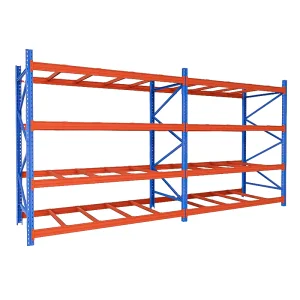
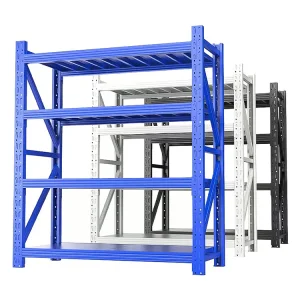
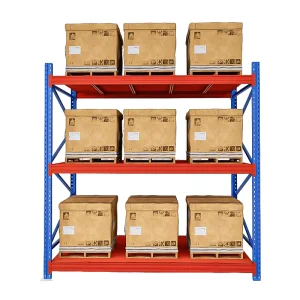
Engineered structural systems built to maximize vertical space, load integrity, and workflow efficiency.
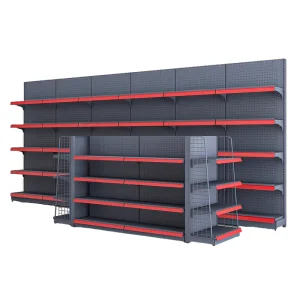
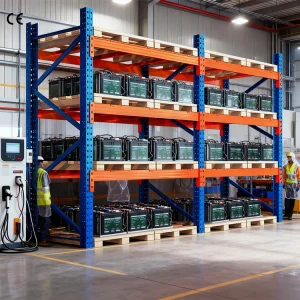
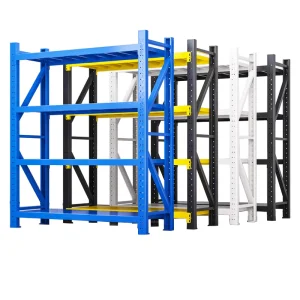
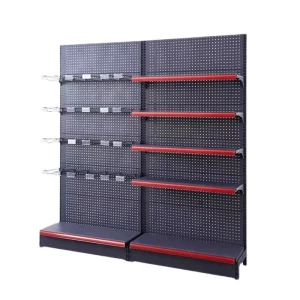
A decade of precision structural steel fabrication and global compliance engineering.
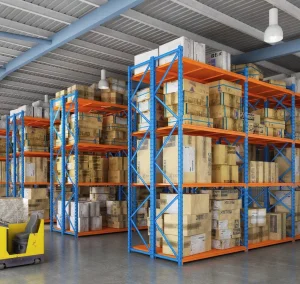
The global industrial warehouse logistics landscape is undergoing a monumental paradigm shift. As supply chains adapt to just-in-time (JIT) fulfillment models, regional warehousing hubs require modular, heavy-duty shelving systems that minimize footprint while maximizing structural security. Modern procurement heads within third-party logistics (3PL), automotive assembly plants, cold-storage facilities, and high-velocity retail systems are demanding much more than commodity steel storage. They seek high-performance, precision-engineered metal racking systems that comply with global seismic regulations, withstand corrosive environmental degradation, and support heavy loads without deflection failure.
"Procurement directors do not purchase metal components; they invest in structural continuity. A racking system is a critical infrastructure asset that directly determines the daily throughput efficiency and structural safety profile of the modern distribution center."
Key growth drivers in the global storage market include:
Engineered to tolerances matching advanced automated storage and retrieval systems (AS/RS), preventing robotic arm misalignment.
Utilizing only certified cold-rolled steel alloys that offer exceptional yield and tensile strengths under extreme static and dynamic loads.
Electrostatic powder-coating applied uniformly to protect the steel substrate against scratches, acids, and atmospheric moisture.
In highly regulated markets like North America and the European Union, structural shelving systems must adhere to strict building and material safety codes. As an established OEM & ODM export partner, Guangzhou Fangjiu Shelf Co., Ltd. customizes components to meet specific loading capacities (up to 5,000kg/layer) while integrating features designed to minimize occupational hazards. Our structural configurations accommodate specialized needs:
Our engineering division utilizes Finite Element Analysis (FEA) to simulate localized seismic activity, dynamic forklift collisions, and variable loading configurations. By modeling the precise mechanical stresses on high-stress node connections, upright profiles, and cross-beams, we ensure safety factors exceeding standard industry ratios.
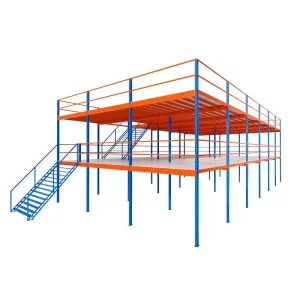
Whether configuring a Very Narrow Aisle (VNA) system to optimize floor usage or engineering a multi-tier industrial mezzanine for manual parts picking, we balance mechanical integrity with economic efficiency.
A transparent view of our automated manufacturing workflow, from steel preparation to packaging and global shipping.
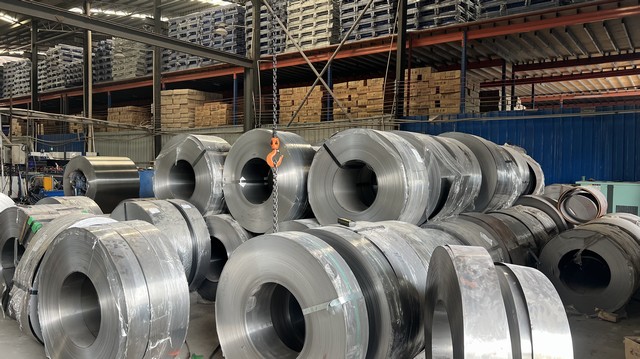
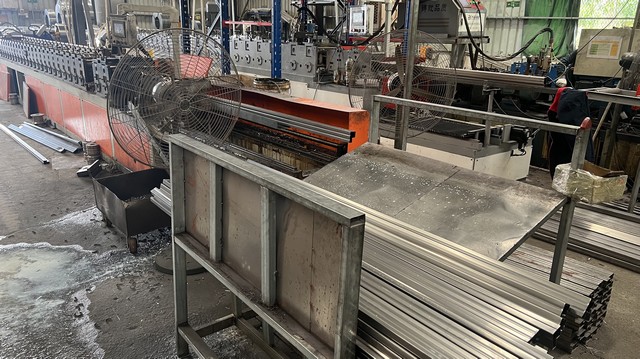
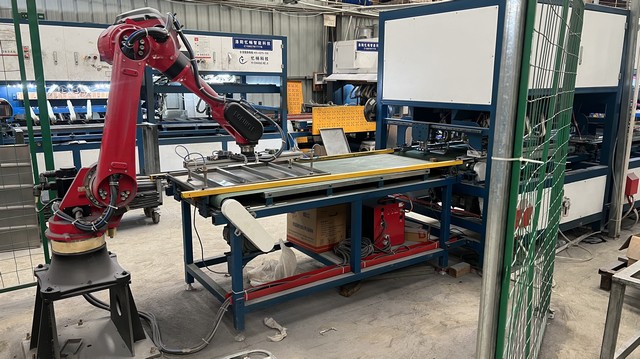
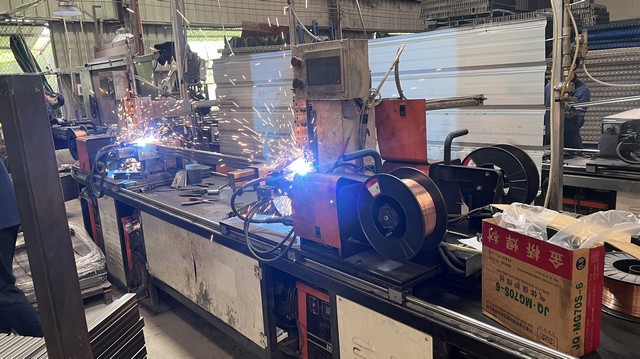
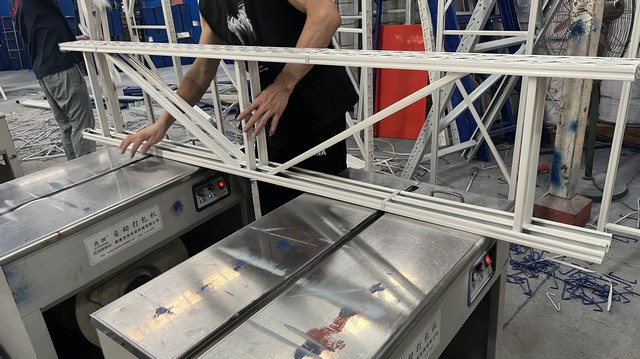
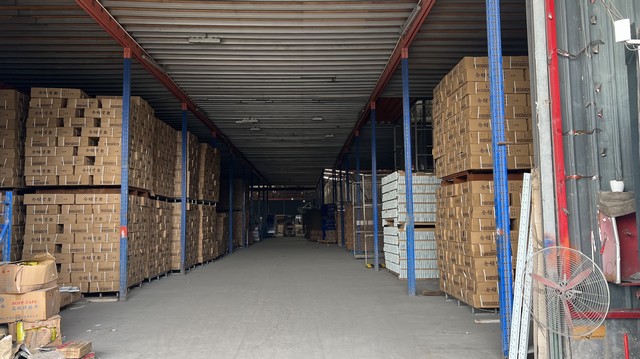
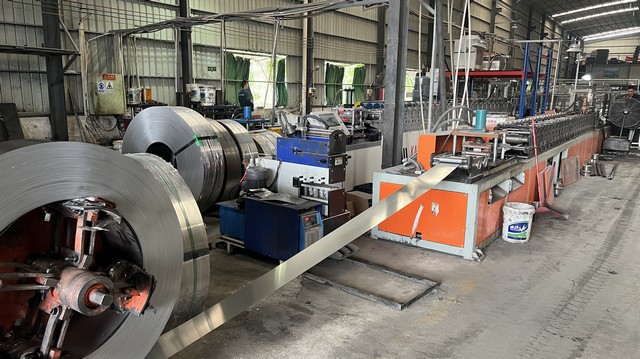
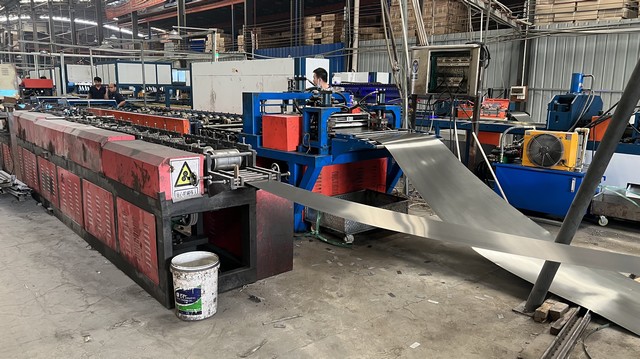
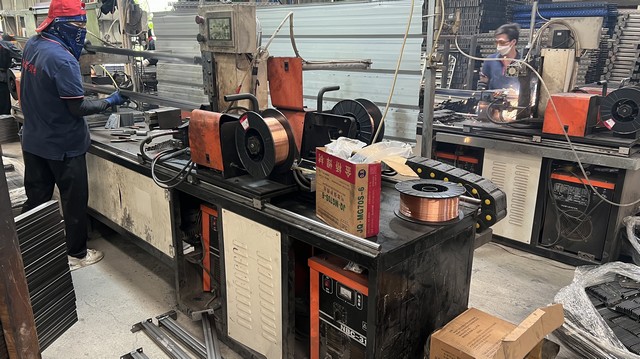
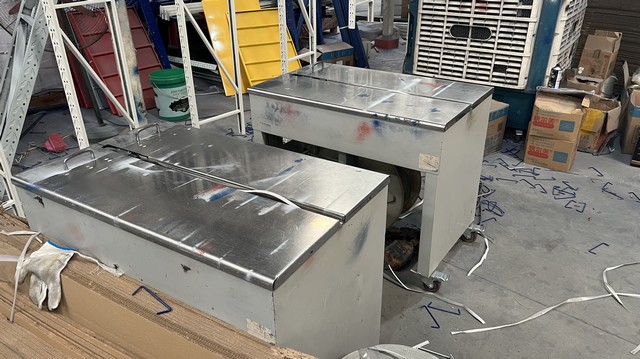
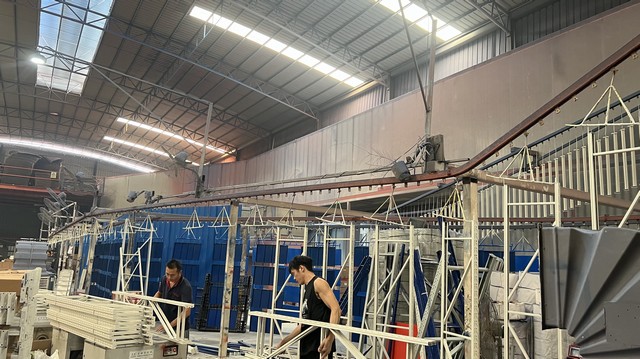
At Guangzhou Fangjiu Shelf Co., Ltd., product quality and structural reliability are verified through rigorous materials testing. Our quality control department is staffed by 38 inspectors who maintain compliance with ISO 9001 and corresponding regional warehousing safety standards throughout production. We verify mechanical integrity using standardized testing methods:
This systematic verification helps us support high-density configurations, including drive-in shelving, high-level VNA pallet racking, and specialized cold chain operations where structural failure presents significant logistics risks.
Exporting structural steel systems globally requires experienced logistical management. Our annual export revenue of $49 million USD reflects our ability to deliver racking assemblies across North America, Europe, Southeast Asia, and the Middle East on schedule. We navigate global trade with a robust supply chain architecture:
We continue to refine our structural engineering processes. Our R&D division, featuring 25 specialized engineers, is currently developing high-performance, carbon-reduced alloys with optimized strength-to-weight profiles. This project aims to maintain high load capacities while reducing raw steel requirements, supporting corporate sustainability objectives.
Additionally, we are testing integrated sensor housings that interface directly with digital Warehouse Management Systems (WMS). These systems will monitor structural stress and load levels in real time, alerting facility managers of dynamic overloads before structural damage can occur. Our goal is to supply infrastructure that remains resilient and fully compatible with future warehouse technologies.
Get professional clarification directly from our engineering and export compliance office.
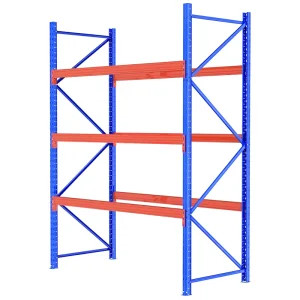
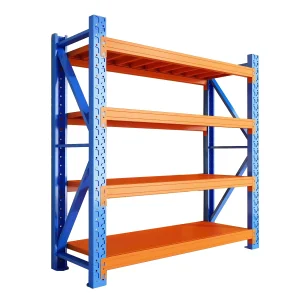
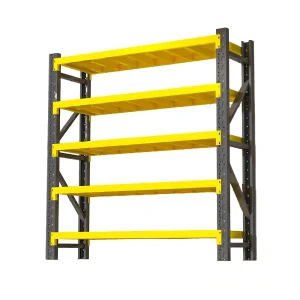
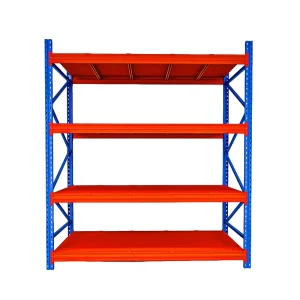
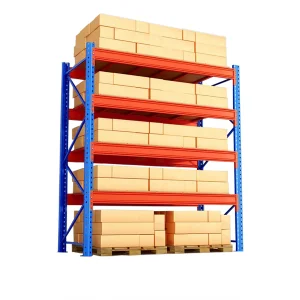
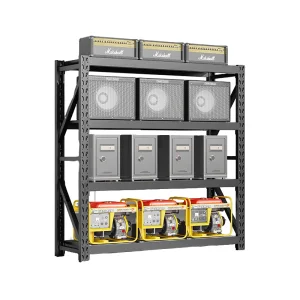
Heavy-duty, modular solutions designed for high stability and simple setup in high-demand facilities.
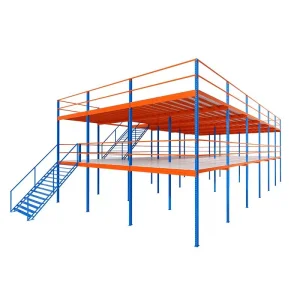
 Fangjiu Rack