Engineered for high-density load management, maximum space utilization, and industrial durability. Explore our top exported models below.
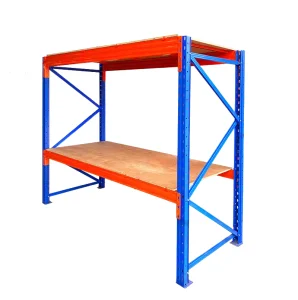
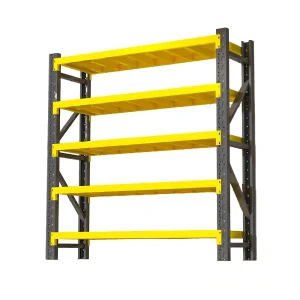
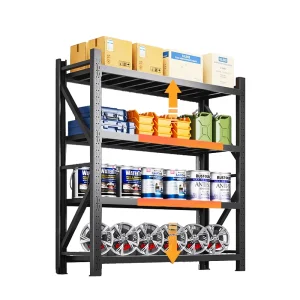
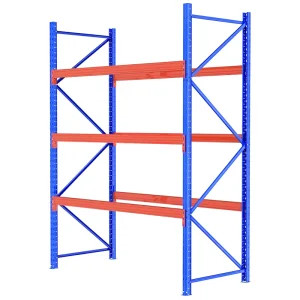
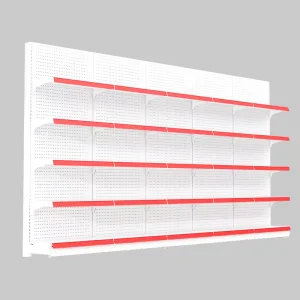
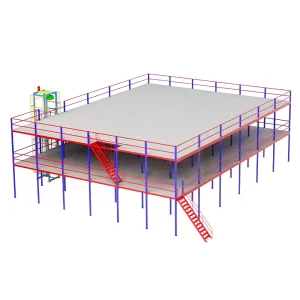
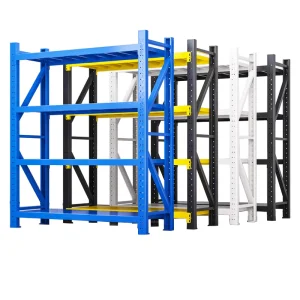
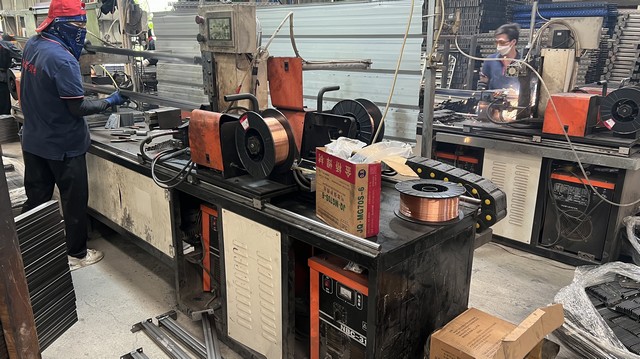
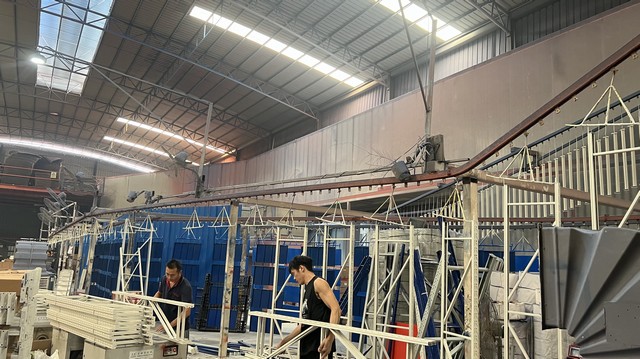
Operating a modern facility spanning over 35,000 square meters, we integrate the entire production cycle under one roof—from metallurgical raw material processing and computerized cold rolling to advanced automatic welding, electrostatic powder coating, and international container packaging.
With a decade of manufacturing expertise and over 7 years of dedicated global export experience, our brand stands as a premier supply chain node for B2B enterprises, 3PL giants, and industrial importers across North America, Europe, Southeast Asia, and the Middle East.
Supported by our in-house team of 25 R&D engineers, we continuously push structural optimization boundaries. Over the last year, we designed and commercialized more than 150 new racking profiles and structural interfaces.
We offer extensive OEM and ODM customization options, including specialized beam deflection calculations, column profiles, dynamic seismic dampers, and heavy-duty protective powder formulations.
A data-driven snapshot of our operational capacity and global distribution footprint.
Understanding structural integrity, space maximization, and localized operational demands.
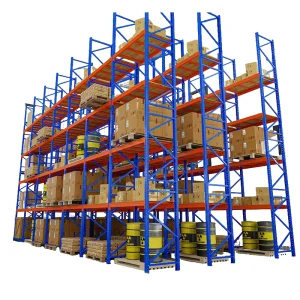
Traditional racking designs rely on static lane allocations, requiring significant forklift aisle clearance. Retractable racks and adjustable industrial storage systems maximize spatial density by allowing physical configuration changes. This dynamic flexibility minimizes required warehouse aisles and increases storage density by up to 45% compared to conventional pallet configurations.
We source premium cold-rolled Q235B and Q355B structural steel to ensure optimal load-bearing capacities. Under high-load configurations, our beams and columns resist torsional buckling. Through calculated profile punch patterns (including butterfly and teardrop holes), our systems maintain reliable mechanical integrity across load profiles ranging from 1000kg to 5000kg per layer.
Modern distribution complexes require systems certified to meet local structural safety standards. Our R&D engineers use Finite Element Analysis (FEA) to simulate and optimize stress distribution. We design specialized anti-seismic baseplates, cross-bracing frameworks, and robust locking pins to safeguard operations in geologically active regions.
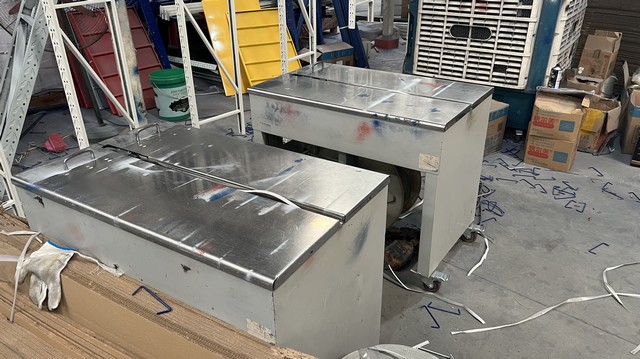
A step-by-step tour through our automated production ecosystem, highlighting our advanced manufacturing technology.
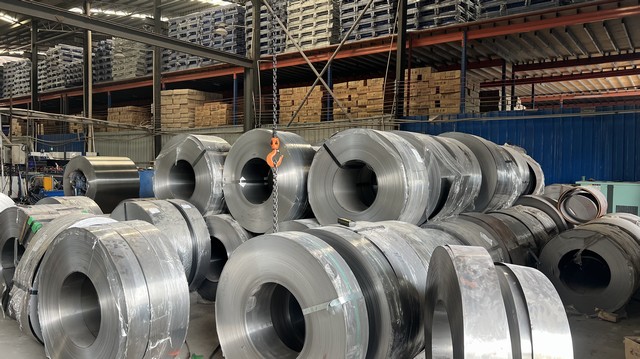
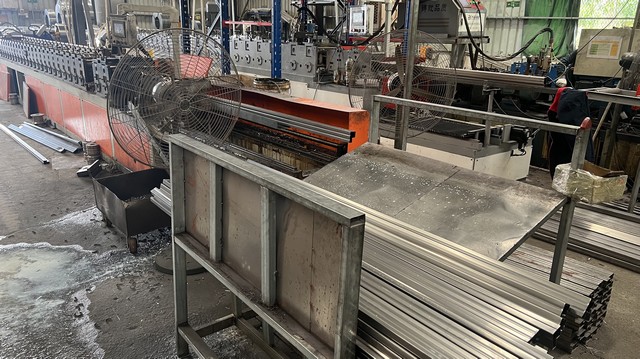
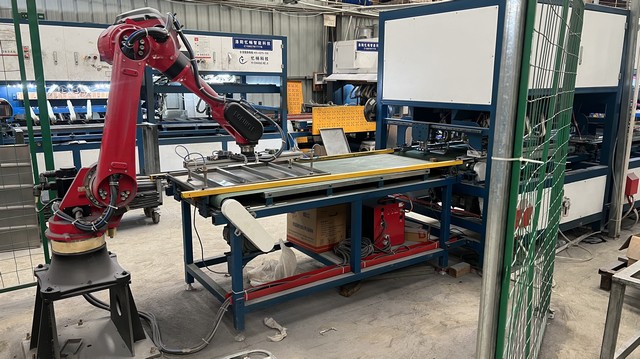
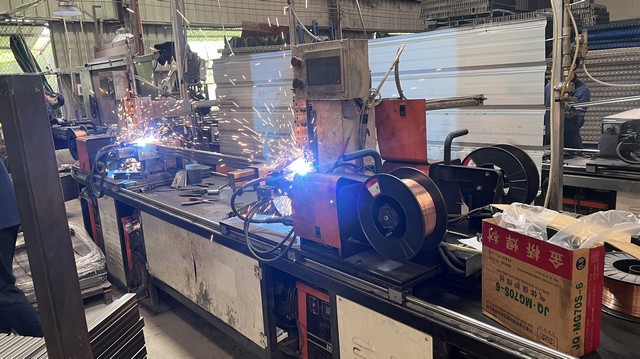
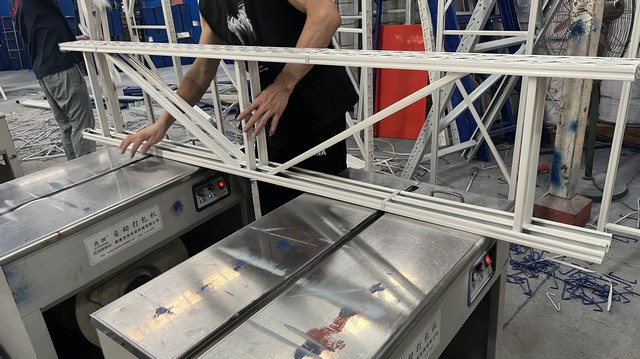
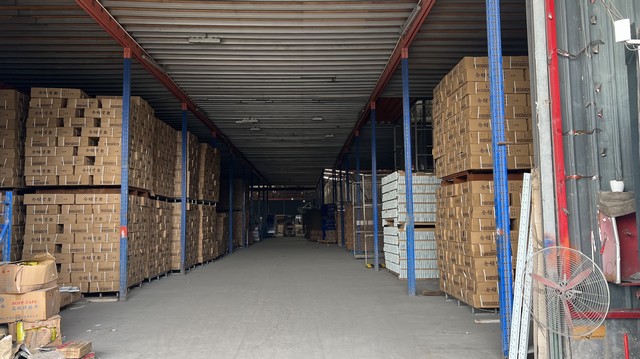
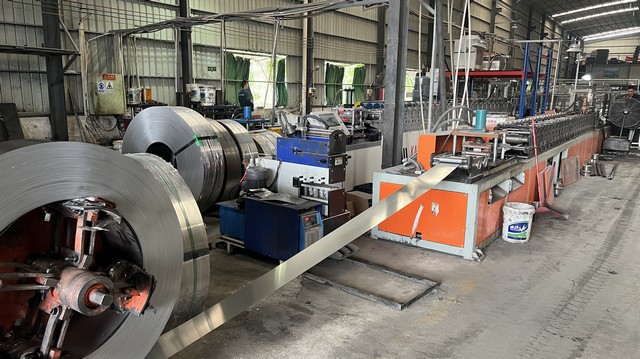
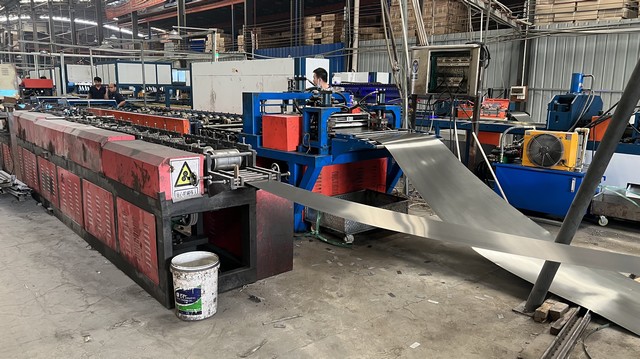
How we tailor retractable and heavy-duty storage configurations for major global logistics applications.
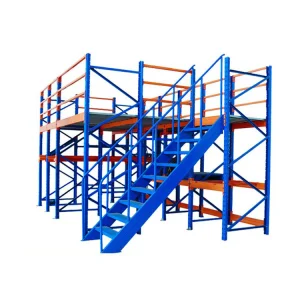
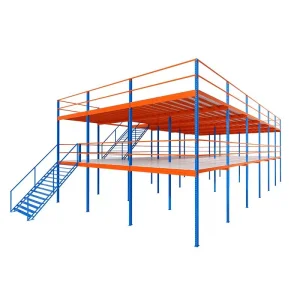
For high-throughput third-party logistics (3PL) centers, we integrate adjustable, multi-tier mezzanine frameworks and pallet flow configurations. These designs allow seamless integration with automated guided vehicles (AGVs) and standard reach forklifts, reducing picking cycles by up to 30%.
Refrigerated warehouse space incurs high operational overhead. Our heavy-duty racking systems feature specialized, anti-corrosive powder coatings engineered for sub-zero temperatures. These configurations resist thermal contraction stresses down to -40°C while maximizing usable volume.
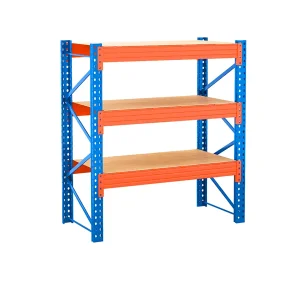
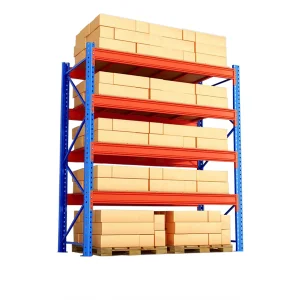
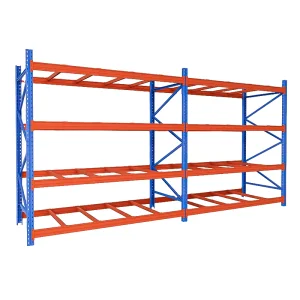
Industrial components demand robust storage configurations. Our heavy-duty pallet systems handle loading capacities up to 5000kg per layer. They accommodate high-density storage of structural components, heavy tooling, and metal sheet pallets with exceptional load distribution.
At Guangzhou Fangjiu Shelf Co., Ltd., safety and compliance are paramount. Our Quality Assurance department employs 38 inspectors who verify raw materials and finished products against ISO 9001 and international engineering standards.
Every batch of industrial racking undergoes destructive and non-destructive evaluations to verify mechanical integrity and structural safety before shipping.
Streamlining import processes, customized technical layouts, and end-to-end logistics coordination.
Provide our engineers with your exact pallet weights, dimension parameters, forklift turning radii, and facility clearances. Our team uses AutoCAD and SolidWorks to design optimal footprint layouts that maximize storage density.
Specify the seismic rating of your region and environmental variables like humidity or sub-zero temperatures. We adjust steel grades (e.g., Q355B for high load requirements) and coating formulations to meet these demands.
To reduce international ocean freight overhead, our logistics team designs tight container packing plans. Uprights and beams are bundled with protective wrapping to prevent transit abrasion while maximizing container volume.
Get professional, engineering-focused answers to common questions about industrial racking systems and global logistics.
We primarily use premium cold-rolled Q235B and Q355B structural steel, conforming to international standards like GB/T 1591 and ASTM equivalent grades. Q355B is selected for high-load profiles and sub-zero temperatures due to its high yield strength (355 MPa) and low-temperature impact toughness, ensuring reliable safety margins.
We use Finite Element Analysis (FEA) software to simulate stresses, deflections, and bucking modes. This is verified by physical load testing inside our facility. We load sample beams and frame connections to 1.5 times their rated load limit, ensuring deflection remains within safe structural margins (typically L/200 or better, per EN 15512 or RMI standards).
Our systems undergo a 7-stage chemical pre-treatment (including degreasing, rust removal, and phosphating) followed by an automated electrostatic thermoset epoxy polyester powder coating. This results in a durable, scratch-resistant surface with an average thickness of 60 to 90 microns, tested to withstand over 500 hours of continuous salt spray exposure.
Yes. Our R&D engineers calculate seismic load profiles based on local geological data. We construct heavy-duty systems featuring specialized anti-seismic anchor plates, diagonal frame bracing, and reinforced column uprights to ensure lateral stability during tremors, complying with AS4084 and RMI specifications.
For standard bulk configurations, production takes 20 to 30 days once engineering drawings are approved. This timeframe is supported by our 35,000-square-meter facility, automated rolling production lines, and robust supply chain alliances.
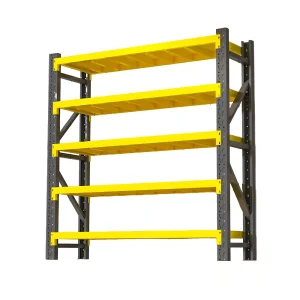
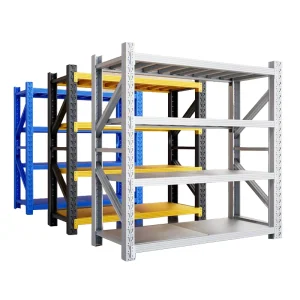
Complete your facility planning with our heavy-duty platforms, cold-rolled pallet racks, and space-saving mezzanine systems.
 Fangjiu Rack