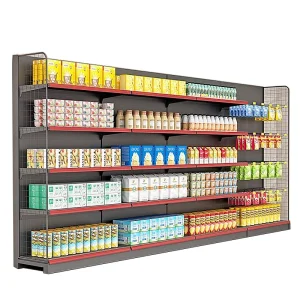
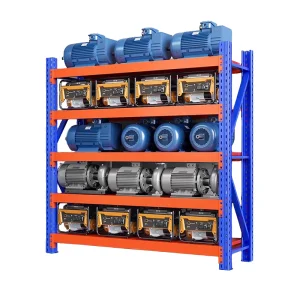
Engineered for extreme loading capabilities, anti-corrosive performance, and structural reliability across global warehouses.
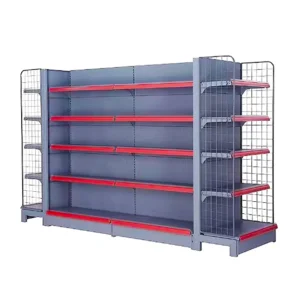
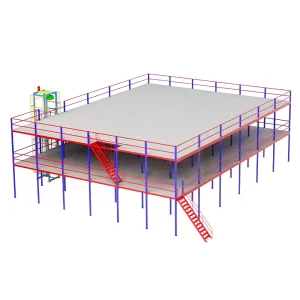
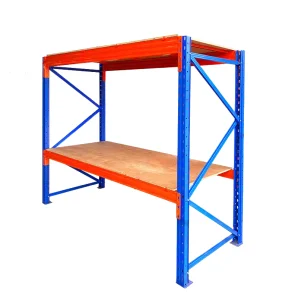
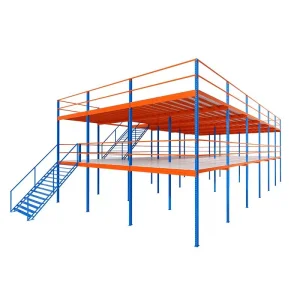
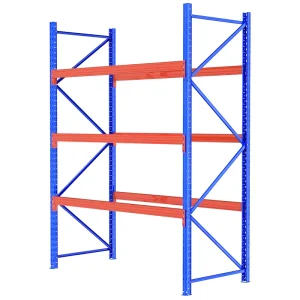
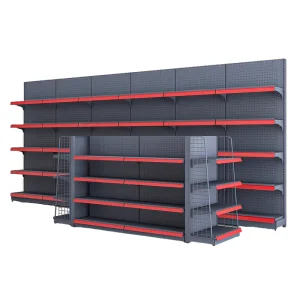
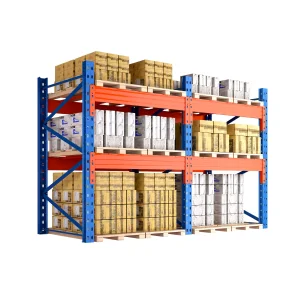
In the age of automated supply chains and high-density fulfillment centers, heavy-duty industrial platforms and mezzanine structural configurations represent the backbone of optimization. Modern global trade, catalyzed by rapid e-commerce expansion and high-velocity third-party logistics (3PL), demands storage space that scales vertically rather than laterally. Industrial structural platforms offer critical space consolidation options, effectively doubling or tripling existing warehouse footprint efficiencies without costly civil construction expansions.
Under the European Union Construction Products Regulation (CPR) and the harmonized standard EN 1090-1 / EN 15512, all steel structures and multi-level racking platforms exported to or operated within the European Economic Area must bear the CE Mark. This certification guarantees that the raw materials, structural calculations (Limit State Design), and automated welding quality meet the stringent safety, fatigue, and load deflection limits (such as structural deflection limits set to L/200 or L/300) required to prevent catastrophic failure.
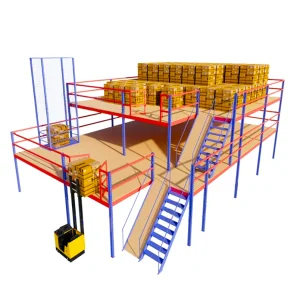
Throughout Europe, North America, and the Middle East, structural steel quality determines the legal operability of storage facilities. Global enterprises require high-tensile hot-rolled or cold-rolled structural steel (typically Q235B or Q345B grade) that has undergone specialized stress testing and surface treatment. These platforms are not merely shelves; they are multi-tiered civil-engineered structural systems containing access stairways, loading gates, structural handrails, and safety safety mesh systems designed to handle dynamic and static forces, including seismic accelerations in earthquake-prone industrial zones.
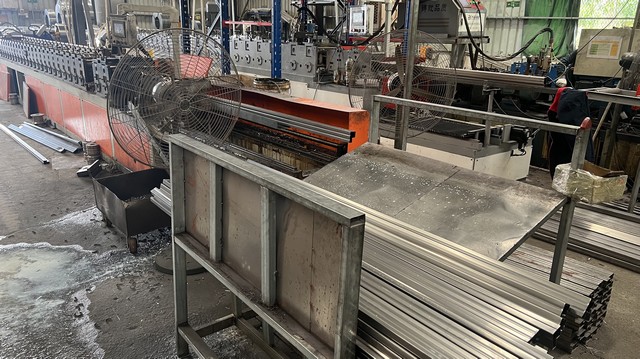
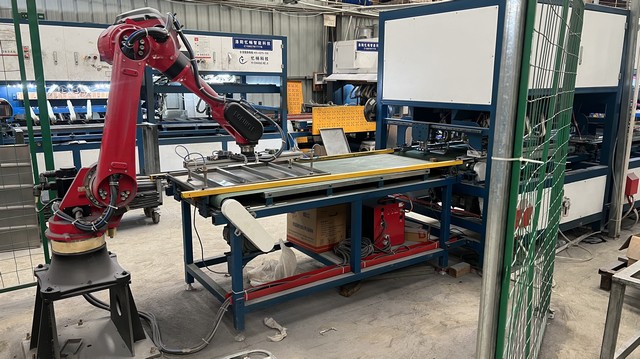
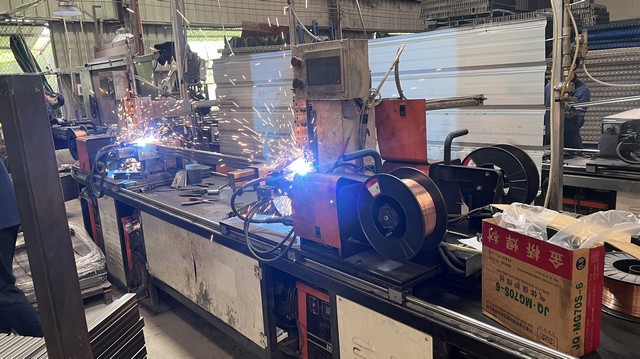
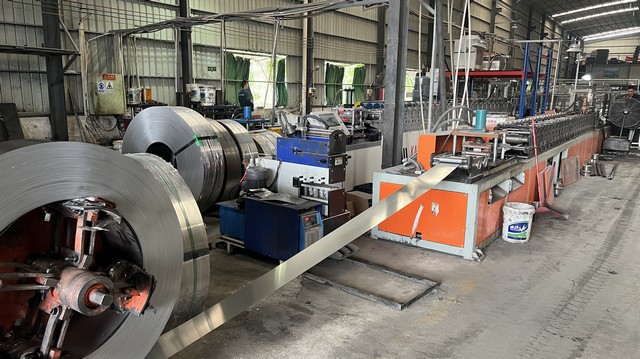
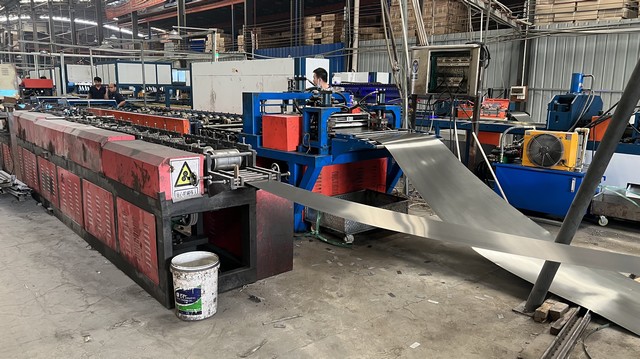
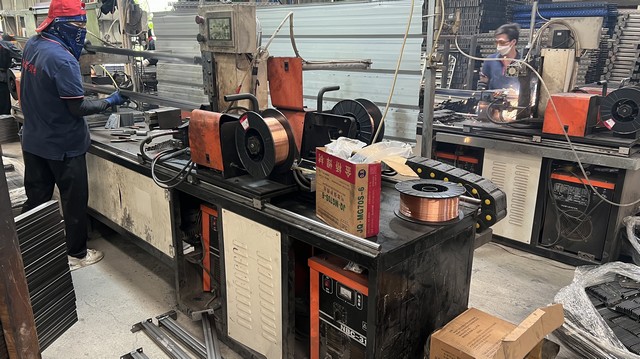
Guangzhou Fangjiu Shelf Co., Ltd., established in 2013, has pioneered the integration of high-grade raw materials and automated processing methodologies to deliver cost-optimized, top-tier industrial storage platforms. Nestled in a 35,000-square-meter modern facility, our manufacturing paradigm leverages automated roll-forming machines and integrated welding robotics to ensure precision structural components with tolerances within ±0.5mm.
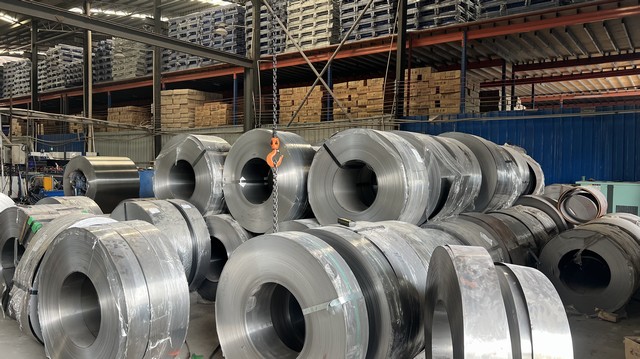
The core advantage of partnering with a leading Chinese exporter lies in raw material access, integrated supply chains, and technological scale. Our direct alliances with top-tier domestic steel mills allow us to procure certified structural grade Q235B and Q345B steel under strictly controlled cost structures. Through optimized batch scheduling, we can transition from raw material preparation to finished powder-coated or hot-dip galvanized platforms with unmatched lead times.
Our dedicated quality assurance division enforces strict testing methods. Utilizing non-destructive Ultrasonic Flaw Detection for critical load-bearing weld beads, Salt Spray Corrosion Testing for surface finish durability, and Full Load Stress & Deflection Testing to guarantee total safety compliance.
Backed by a team of 25 R&D structural engineers, we specialize in customizing structural configurations. Whether adapting beam spans, upright thickness, load-deck options (steel plate, wire decking, wood, or grating), or seismic calculations, our bespoke solutions fit your specifications.
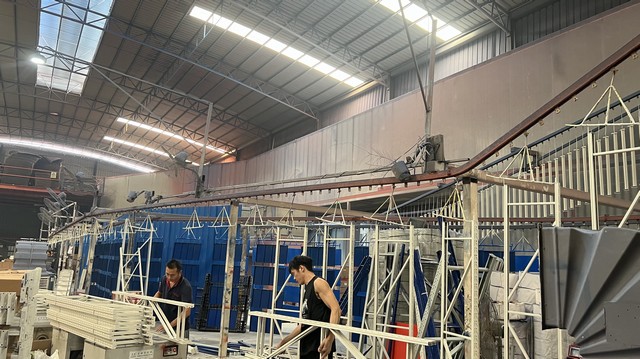
Our workshop houses multiple automated rolling and shaping lines, maintaining dimensional stability. Automated surface treatment processes, including multi-stage chemical pretreatment, guarantee rust resistance and uniform coating thicknesses above 70 microns.
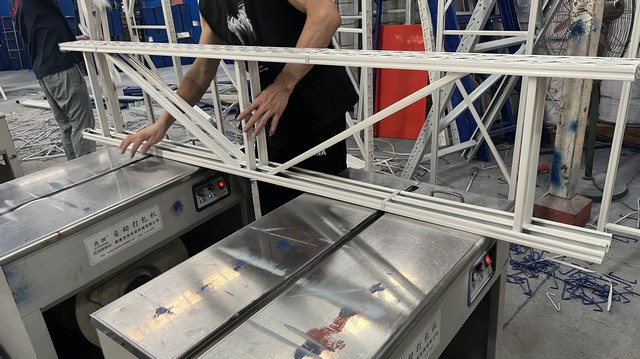
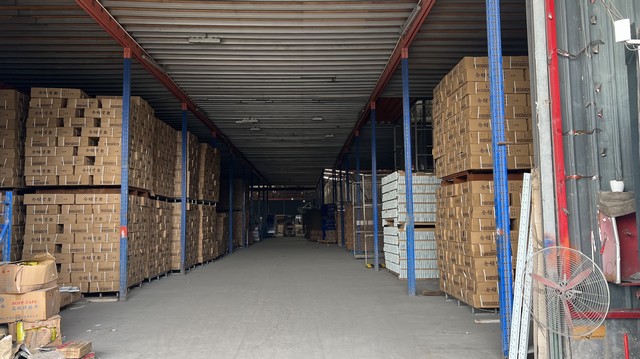
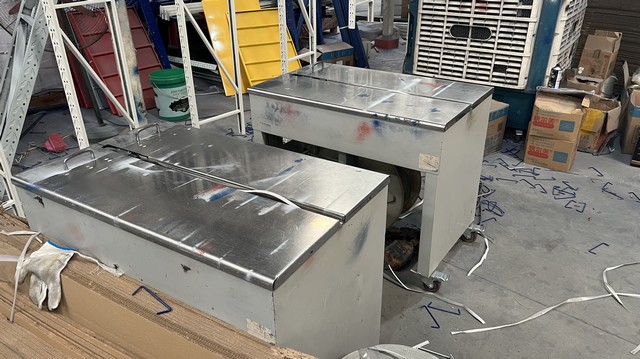
Transparent insight into our ISO 9001:2015 manufacturing process, ensuring consistency from raw coil processing to container loading.
Heavy-duty structural platforms cannot be integrated through a generic design. Different industrial sectors and geographical regions require specific architectural and mechanical design adjustments:
The industrial shelving industry is transitioning towards smart, modular, and green ecosystems. Future innovations focus heavily on material reduction without structural compromise—utilizing ultra-high-strength steel grades to reduce dead loads. The implementation of digital twin design processes enables engineers to predict exactly how a heavy-duty platform will respond under complex load dynamics over decades of operation.
Furthermore, structural integrations are shifting to support Automated Guided Vehicles (AGVs) and Autonomous Mobile Robots (AMRs). Modern platform floors must be ultra-flat (achieving high FM tolerances) and contain integrated sensor channels to guide automated material-handling machinery safely across multiple levels.
Purchasing heavy-duty platforms from international suppliers requires careful evaluation of more than just price. A successful procurement cycle evaluates several critical variables to minimize risk and optimize Total Cost of Ownership (TCO):
Ensure that your supplier provides certified engineering drawings and structural calculations signed by a qualified structural engineer. Verify that all components comply with EN 1090-1 (CE), ISO 9001:2015, and local building codes. Inadequate compliance can result in halted construction permits, structural failures, and major legal liability issues.
Request mill test certificates (MTC) verifying the grade (e.g., Q235B vs. Q345B) and chemical composition of the structural steel. The mechanical properties must provide the required load capacity margins, including factor of safety indices (typically 1.5 to 2.0 under standard industry norms).
Specify the thickness and application method of the surface coating. For humid, coastal, or chemical-exposed environments, request hot-dip galvanization or dual-layer epoxy powder coating. The coating thickness should be measured and documented (guaranteeing >70μm thickness for standard applications) to prevent early corrosion.
Industrial structural steel is prone to damage during long-distance maritime transport. Ensure the manufacturer uses specialized heavy-duty steel framing, protective film wrapping, and non-slip timber blocks inside containers to prevent load shifting and coating abrasions.
Technical answers to critical structural engineering, supply chain, and design configuration questions.
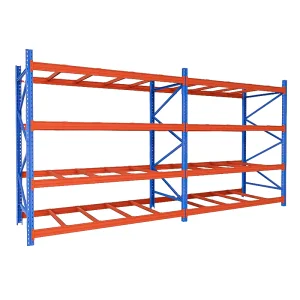
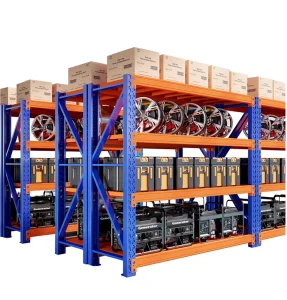
Maximize space utilization and operational flexibility with our highly customizable industrial storage options.
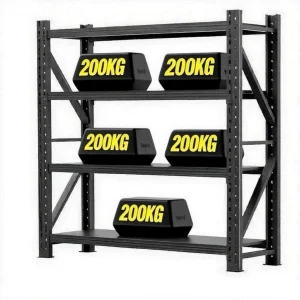
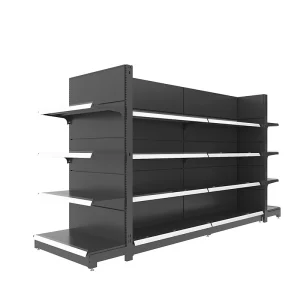
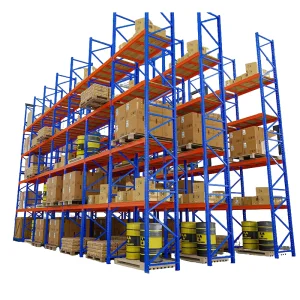
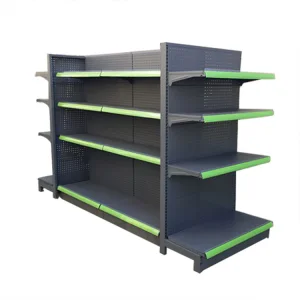
 Fangjiu Rack