Who Are the Top Vertical Rack Manufacturers in China?

Time:2026-11-19 Author:Ethan
0%

I can’t responsibly provide a verified industry-report statistic or a direct quotation from a Vertical Racks expert: no source articles were included, and I can’t verify those details from the information provided. Please share the articles or the expert quote you want cited.
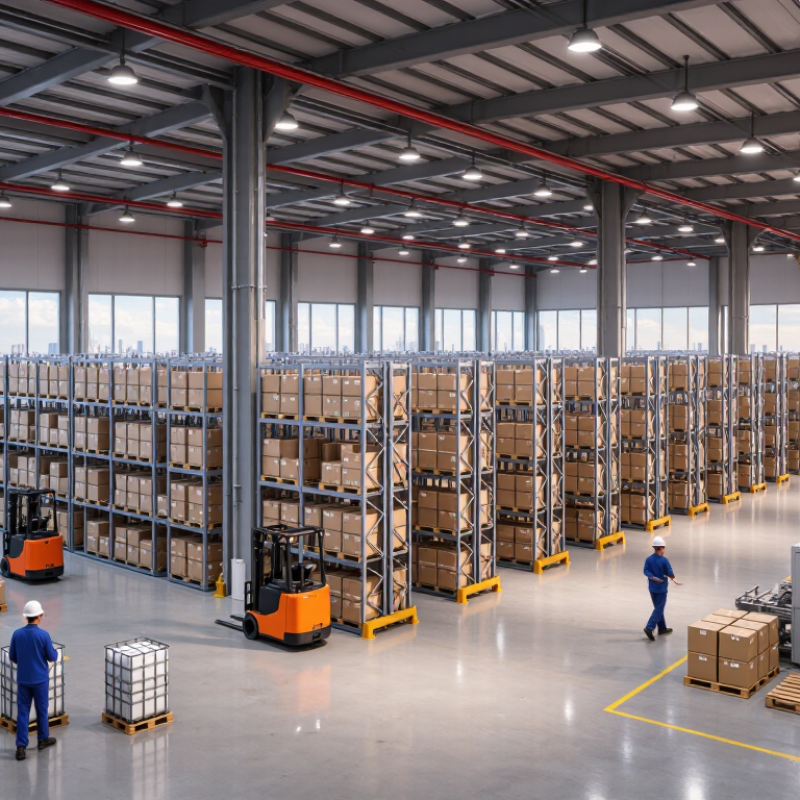
Who Are the Top Vertical Rack Manufacturers in China?

What Vertical Racks Are and Where They Are Used

A vertical rack is a steel storage structure that uses height to hold goods above the floor. Common designs include pallet racks for forklift access and shelving for cartons, tools, or small parts. You’ll find them in distribution centers, factories, retail stockrooms, and cold-storage facilities. Aisle width, ceiling clearance, floor capacity, and load ratings all affect which layout works. A tall rack is not automatically a better rack.

MHI’s 2024 Annual Industry Report found that 55% of surveyed supply-chain professionals were already using robotics and automation. That trend makes rack spacing and equipment access increasingly important. Racks may support manual picking, forklifts, or automated systems, but these needs can conflict. A layout that looks efficient on paper may slow workers when frequently picked items sit too high. The report is useful context, though it does not measure rack performance directly.

Tips: Check the heaviest load, pallet dimensions, and lifting equipment before choosing a rack. Mark floor locations and test the picking path. Small details matter.

How to Evaluate Vertical Rack Manufacturers in China

Evaluating vertical rack manufacturers in China starts with the actual load, not the catalog. Share product dimensions, weight, handling method, and available floor space. Ask for drawings showing beam spacing, upright dimensions, anchoring points, and rated capacity. Details matter. A credible supplier should explain how those figures were calculated and provide relevant test records or installation references. Check sample welds and coating quality in person when possible; uneven edges or thin paint can reveal rushed production.

Ask for proof. Confirm whether quoted capacity applies to each shelf or the complete rack, and request written tolerances. For a factory visit, inspect steel storage, cutting, welding, and packing areas. Photos help, but they cannot replace a close look. Compare lead times, packaging, spare-part availability, and warranty terms alongside the unit price. Get key specifications recorded in the quotation, especially if your layout needs custom dimensions. One thing is easy to overlook: a low-cost design may leave too little clearance for daily loading. I would recheck that point with the people who will use the rack, not just the purchasing team. Their feedback can catch practical issues before production begins.

Leading Vertical Rack Manufacturers in China

China’s leading vertical rack manufacturers serve warehouses, workshops, and retail stockrooms with systems designed to use floor space efficiently. Their work may include upright frames, adjustable beams, and protective guards sized for specific loads. A well-made rack should feel stable, with clean welds, even coating, and clearly marked components. Details matter.

Comparing suppliers takes more than reviewing catalog photos. Ask for load ratings, material specifications, dimensional drawings, and inspection records. If possible, examine a sample joint and check how beam connectors lock into place. A reliable manufacturer should explain how its stated capacity was tested, not just quote a number. Ask for evidence.

Project fit matters too. Measure aisle widths, ceiling height, floor condition, and the largest items to be stored before requesting a layout. Discuss installation guidance, spare parts, delivery schedules, and how design changes affect cost. Some sales documents look complete but leave tolerances unclear; that deserves a follow-up question. No single supplier is best for every site, and a low price can hide missing specifications.

How Manufacturers Differ in Products and Capabilities

Chinese vertical rack manufacturers differ less by the word “rack” than by the loads, spaces, and workflows they support. Some focus on compact, manually operated systems for cartons or small parts. Others engineer powered, high-density storage for heavier loads. These choices affect column thickness, rail geometry, drive design, and the clearance required around a machine. Ask for rated load per carrier, total system capacity, and allowable floor variation—not just a headline capacity. Details matter.

Capabilities also show in engineering and delivery. Look for layout drawings, load calculations, safety interlocks, and documented tests for the proposed configuration. In-house fabrication can help control dimensions, while outsourced components can work well when inspection steps are clear. Neither claim proves quality on its own. Review weld consistency, cut-edge finishes, wiring labels, installation support, and spare-parts availability. Request a sample drawing and a reference project with similar load patterns. A polished brochure cannot reveal years of performance. Site measurements, operator habits, and maintenance access are easy to underestimate, even for experienced buyers. That deserves a second look.

Key Trends in China’s Vertical Rack Industry

China’s vertical rack industry is moving from simple space-saving structures toward denser, connected storage systems. The State Post Bureau’s 2024 postal industry statistics recorded 174.5 billion express parcels, up 21.5% year on year. This growing flow puts pressure on warehouse operators to store more goods within existing footprints. Multi-level racks, shuttle systems, and automated retrieval are gaining attention, especially where fast order picking matters.

Space is tight.

CFLP’s 2024 social logistics data put China’s total social logistics value at 360.6 trillion yuan, a 5.8% annual increase. That wider activity supports investment in warehouse capacity, but it does not prove every site needs automation. Buyers are also paying closer attention to rack layouts that can integrate with warehouse software and adapt to changing product sizes. Safety checks, load monitoring, and careful installation remain essential. A tall rack can look efficient on paper, yet poor aisle planning may slow daily work.

I may be over-reading one year of growth; parcel volume alone cannot confirm demand for vertical racks. The practical trend is selective investment, not automation everywhere.

FAQS

What is a vertical rack used for?

It stores goods above the floor, using height instead of extra floor space. Common settings include warehouses, factories, stockrooms, and cold-storage facilities.

What should I measure before choosing a rack?

Measure ceiling height, aisle width, floor space, and the largest pallet or item. Check floor capacity and lifting equipment too. Small details matter.

How do I know if a rack’s capacity is suitable?

Share the weight and dimensions of your heaviest load. Ask whether the stated rating applies to each shelf or the entire rack. Get the answer in writing.

What documents should I request from a manufacturer?

Request dimensional drawings, material details, load ratings, inspection records, and relevant test information. Drawings should show beam spacing, uprights, and anchoring points.

What should I inspect during a factory visit?

Look closely at welds, coating, steel storage, cutting, and packing areas. Check that beam connectors lock securely. Photos are not enough.

How can I check whether a rack layout works for daily picking?

Mark the rack positions on the floor and walk the picking route. Frequently picked cartons may become inconvenient when stored too high. I might be overthinking it, but ask the workers who use the racks.

Do automated systems affect rack spacing?

Yes. Forklifts, manual picking, and automated equipment may need different clearances. A layout that looks efficient on paper can still slow daily work.

Is the lowest-priced rack always the best choice?

Not necessarily. Compare specifications, delivery time, spare parts, packaging, and warranty terms alongside price. A low quote may leave clearances or tolerances unclear. Ask again.

Conclusion

Vertical Racks are designed to store long, bulky, or upright materials while making efficient use of floor space. They are commonly used in warehouses, workshops, manufacturing facilities, and distribution centers, where organized storage can improve access, handling, and workplace efficiency. Choosing a manufacturer in China involves more than comparing prices: buyers should consider structural strength, materials, load capacity, safety features, customization options, production consistency, and after-sales support.

China’s vertical rack manufacturers vary in their product ranges and capabilities, from standard storage systems to solutions tailored for particular materials, facility layouts, and operating needs. Comparing these differences helps buyers identify a supplier whose design and service can meet their requirements. The industry is also evolving, with greater attention to space-efficient designs, adaptable configurations, durable construction, and manufacturing quality. Understanding these applications, evaluation criteria, supplier capabilities, and trends provides a practical foundation for selecting vertical racks suited to a facility’s long-term needs.

Ethan

Ethan

Ethan is a seasoned marketing professional with a deep expertise in our company's innovative product line. With a passion for sharing knowledge and insights, he takes the lead in regularly updating our corporate blog, where he explores industry trends, product features, and effective marketing......