In the rapidly evolving landscape of warehousing and logistics, Mezzanine Systems have emerged as essential solutions for space optimization. These systems enhance vertical storage capabilities, allowing businesses to maximize their operational efficiency. China's market offers various innovative mezzanine solutions that cater to a diverse range of industries.
As global buyers navigate their choices, understanding the unique features of the top Mezzanine Systems in China becomes crucial. Each system presents opportunities and challenges. Some may provide excellent load-bearing capacity, while others stand out for their modular designs. Reflecting on these differences is vital to align with specific project needs.
This exploration of the top 10 Mezzanine Systems in China aims to equip buyers with insights into effective solutions. By analyzing the strengths and weaknesses, we foster better decision-making. The goal is to empower businesses with reliable information, allowing them to choose systems that not only meet but exceed their expectations.
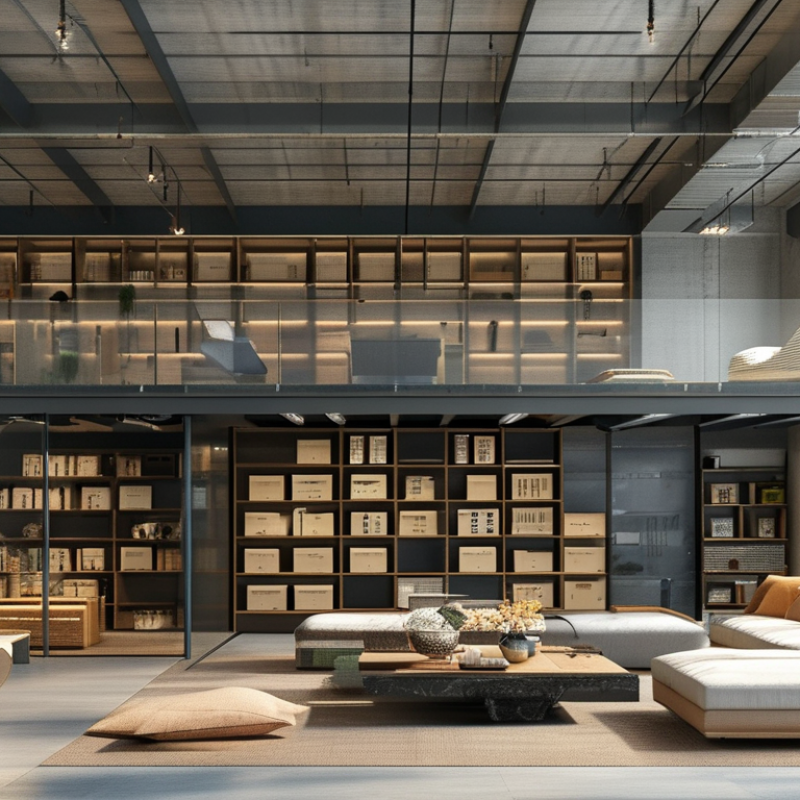
The mezzanine system market in China is evolving, driven by a surge in e-commerce and technological advancements. According to a recent industry report, the market is projected to grow by over 10% annually through 2025. This trend indicates a robust demand for efficient space utilization in warehouses and manufacturing facilities.
Many buyers are looking for innovative storage solutions. Advanced mezzanine systems maximize vertical space without compromising accessibility. In addition, customization options are becoming crucial. Buyers seek systems that cater to specific operational needs. Factors like load capacity and ease of installation are paramount.
Tips: Always assess the specific requirements of your operation before selecting a mezzanine system. Evaluate the layout of your facility to ensure optimal efficiency.
Continued innovation means buyers should remain vigilant. Manufacturer collaborations are essential for integrating the latest technologies. Additionally, robust customer support is required, ensuring timely maintenance and support. Balancing cost and quality remains a challenge. With many options available, making informed decisions is key.
The growing demand for mezzanine systems among global buyers is driven by several key factors. Cost-efficiency is paramount. These systems maximize storage space without the hefty costs of expansion. They are ideal for warehouses and retail environments. Increased operational capacity is a significant advantage. By utilizing vertical space, businesses can enhance inventory management. This adaptability is crucial as markets change rapidly.
Investing in a mezzanine system can improve workflow efficiency. These setups streamline operations and reduce downtime. Employees find it easier to access products. This boosts overall productivity. It’s important to consider the layout of your facility. A poorly designed mezzanine can lead to inefficiencies.
**Tip:** Always assess your unique business needs before choosing a system. Consider the types of goods you store and how often they are accessed.
Another driving factor is the ease of installation. Many systems can be completed in a short time. This means businesses can resume normal operations quickly. However, don’t overlook the need for safety regulations. Ensure that your choice complies with local standards.
**Tip:** Engage with professionals for installation assistance. Their expertise can help avoid costly mistakes.
Mezzanine systems play a crucial role in maximizing warehouse space. Their effectiveness is often measured by load capacity, installation time, and flexibility. According to industry reports, the average load capacity for mezzanine floors ranges between 500 to 1,000 kg per square meter. This variance largely depends on the materials used and the design approach taken.
Installation time also matters significantly. Reports suggest that a well-planned mezzanine system can be installed in as little as three days. However, complex designs might extend this duration. Flexibility is essential for modern storage needs. Many systems allow for adjustments in height or layout, adapting to dynamic inventory requirements. A survey indicated that 65% of businesses value the ability to modify their storage solutions without heavy investment.
Yet, challenges remain. Not all suppliers clearly communicate load specifications or installation timelines. Some systems may not perform well under varying environmental conditions, which could lead to safety concerns. Buyers must carefully evaluate these performance metrics. Reviews and case studies highlight both successes and pitfalls. Ultimately, understanding these metrics aids in selecting the right mezzanine system, ensuring reliability and efficiency in operations.
In China, regulatory standards for mezzanine systems are crucial for safety and efficiency. These guidelines ensure that manufacturers adhere to specific safety protocols. The focus on compliance protects both workers and assets in diverse industrial environments. Various organizations are involved in setting these standards, reflecting the importance of safety in construction and design.
Safety compliance involves regular inspections and audits of mezzanine systems. These processes can sometimes reveal gaps in adherence to regulations. For example, some facilities may not provide adequate fall protection, leading to potential hazards. Workers rely on safe working conditions, making it essential for companies to rectify such issues promptly.
Understanding local regulations is vital for global buyers. It can be a complex task, especially for those not familiar with China's regulatory landscape. Ongoing training and certification are necessary for workers. Companies must strike a balance between cost and safety. This reflection encourages a proactive approach to regulatory compliance in the country’s industrial sector.
| System Type | Load Capacity (kg) | Height (m) | Material | Safety Compliance |
|---|---|---|---|---|
| Single Tier Mezzanine | 1500 | 3.0 | Steel | ISO 9001, CE |
| Double Tier Mezzanine | 2500 | 5.0 | Steel | ISO 9001, CE |
| Automated Mezzanine | 2000 | 4.0 | Aluminum | ISO 9001, CE |
| Heavy Duty Mezzanine | 3500 | 6.0 | Steel | ISO 9001, CE |
| Warehouse Mezzanine | 1800 | 4.5 | Steel | ISO 9001, CE |
| Mezzanine Floor System | 2200 | 5.5 | Steel | ISO 9001, CE |
| Retail Mezzanine | 1200 | 3.2 | Wood, Steel | ISO 9001, CE |
| Modular Mezzanine | 1600 | 4.0 | Steel | ISO 9001, CE |
| Custom Mezzanine | N/A | N/A | Custom Materials | Project-Specific |
The construction industry in China is witnessing a significant shift towards mezzanine systems. These structures offer an effective solution to maximize space utilization in warehouses and factories. As urbanization increases, the demand for efficient space management is more important than ever. Companies are now leaning towards mezzanine systems to optimize their operations and save on costs.
One notable trend is the growing interest from global buyers in these systems. Factors include cost-effectiveness and ease of installation. However, potential pitfalls exist. Not all systems are designed to handle heavy loads, which can lead to safety issues. It is crucial for buyers to assess their needs thoroughly and choose wisely.
Tips for navigating this market include thoroughly examining local materials. Evaluate the load capacity of various mezzanine systems. Collaborating with local experts can provide insights on compliance and safety standards. Ensuring proper installation is another critical factor in maximizing these systems’ benefits. Mezzanine systems may offer efficiency, but attention to detail during the selection and installation process cannot be overlooked.
: E-commerce and technological advancements are significant factors driving market growth in China.
The market is projected to grow by over 10% annually through 2025.
Customization ensures that mezzanine systems meet specific operational needs effectively.
Critical metrics include load capacity, installation time, and flexibility.
The average load capacity ranges between 500 to 1,000 kg per square meter.
A well-planned installation can take as little as three days, depending on design complexity.
About 65% of businesses prioritize the ability to modify storage solutions without heavy investment.
Buyers often encounter unclear load specifications and varying performance under different conditions.
Assess facility layout and specific operational requirements for optimal efficiency.
Strong customer support is vital for timely maintenance and troubleshooting challenges.
The article "Top 10 Mezzanine Systems in China for Global Buyers" provides a comprehensive overview of the current market trends surrounding Mezzanine Systems in China. It highlights the key factors driving their adoption among international buyers, such as increased warehouse efficiency and space optimization. The comparison of leading Mezzanine Systems based on performance metrics showcases a variety of options available in the market, emphasizing the importance of functionality and reliability.
Moreover, the article discusses regulatory standards and safety compliance that govern Mezzanine Systems in China, ensuring that global buyers can make informed decisions. Looking ahead, the future projections indicate significant growth for Mezzanine Systems within China's construction industry, driven by ongoing urbanization and technological advancements. This analysis serves as a valuable resource for global buyers seeking to understand the dynamics of Mezzanine Systems in the expanding Chinese market.

Fangjiu Rack