As the demand for efficiency and automation in warehouses rises, ASRS Systems are becoming increasingly vital. China, a leader in this technology, is home to some of the top ASRS systems globally. According to a recent report by the Research Institute of Logistics and Automation, the ASRS market in China is projected to grow at a CAGR of 15% by 2026. This growth is driven by the surge in e-commerce and logistics industries.
Expert David Chen, a recognized authority in warehouse automation, states, "The efficiency brought by ASRS Systems can redefine operational capabilities." His insights underline the importance of these systems in modern supply chains. With advancements in technology, ASRS solutions offer a range of benefits, from reduced labor costs to enhanced space utilization.
However, not all ASRS implementations are seamless. Companies must consider compatibility with existing systems and training for personnel. The journey toward integrating ASRS Systems can be complex and requires careful planning. Evaluating these challenges is crucial for achieving the desired efficiency and effectiveness in warehouse operations.
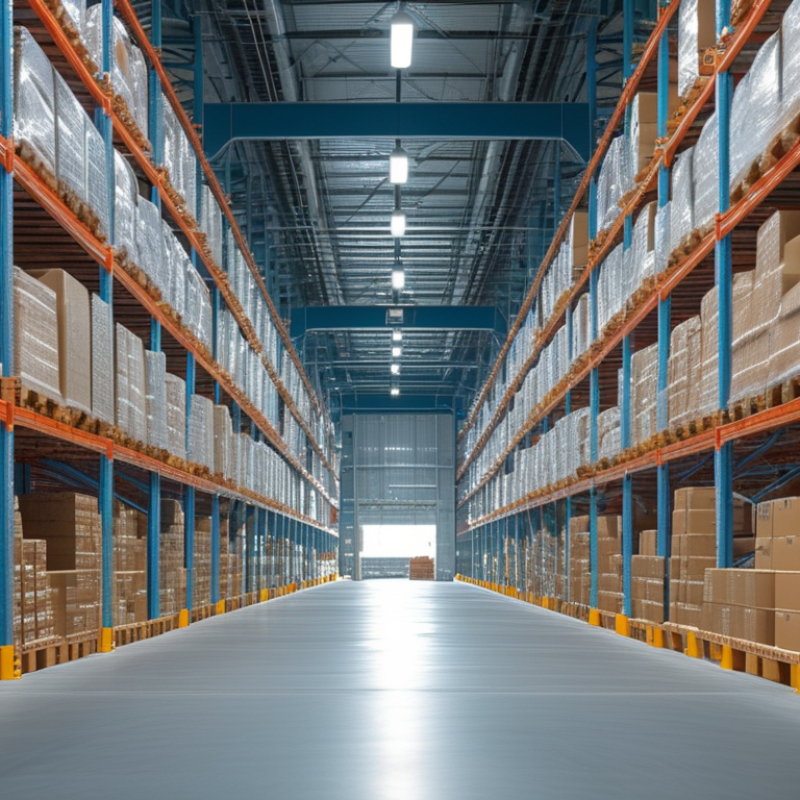
In recent years, the Automated Storage and Retrieval Systems (ASRS) market in China has experienced significant growth. By 2025, the market size is expected to exceed USD 2.5 billion, according to industry reports. This rapid expansion is driven by the surge in e-commerce and the need for efficient logistics solutions. Companies are increasingly investing in automation to enhance operational efficiency and reduce labor costs.
A notable trend is the adoption of modular ASRS designs. These systems offer flexibility in warehouse configuration. Many facilities report a 30% increase in storage efficiency when switching to these systems. However, implementation isn't without challenges. Businesses often struggle with integration into existing infrastructure. The initial cost can also be a barrier for smaller enterprises. Not every company has the resources to invest in high-tech solutions.
Data from a recent survey showed that around 60% of companies emphasize the need for reliable technical support when choosing an ASRS provider. This highlights the importance of ongoing maintenance and user training. While the technology is advancing, some firms find it difficult to keep pace with innovations. Understanding the unique needs of each operation is crucial for harnessing the full benefits of ASRS technology.
| Rank | System Type | Max Load Capacity (kg) | Speed (items/hour) | Key Features |
|---|---|---|---|---|
| 1 | Unit Load ASRS | 1000 | 1200 | High-density storage, multi-channel access |
| 2 | Mini Load ASRS | 250 | 800 | Ideal for small parts, flexible configurations |
| 3 | Vertical Lift Module | 500 | 1000 | Compact storage, high retrieval speed |
| 4 | Shuttle ASRS | 600 | 1500 | Flexible routing, high throughput efficiency |
| 5 | Automated Pallet Storage | 1500 | 600 | Supports larger products, robust design |
| 6 | Robotic ASRS | 300 | 900 | Adaptive to changing inventory, high accuracy |
| 7 | Carton Flow ASRS | 200 | 1100 | FIFO management, space optimization |
| 8 | Deep Lane Storage | 1200 | 800 | Maximized vertical space utilization |
| 9 | Pallet Shuttle System | 1800 | 700 | High density, dynamic storage |
| 10 | Hybrid ASRS | 400 | 950 | Combines various technologies for versatility |
utomated Storage and Retrieval Systems (ASRS)?
ASRS enhance operational efficiency, reduce human effort, and can manage various goods effectively.
Costs can be high, and careful planning is necessary. Maintenance and regular updates are also critical.
They assess specific needs, analyze inventory types, and consider operation volumes. This tailored approach often yields better results.
Advanced technology, including AI, helps optimize inventory management. This reduces mistakes and streamlines operations.
Yes, sustainability is crucial. Companies aim to reduce energy consumption and waste, but transition can be slow.
It improves order fulfillment speed and increases storage capacity, significantly enhancing logistics operations.
Integration challenges often arise. Employees may resist changes, requiring training and adaptation.
Continuous assessment and adaptation are vital for navigating technical hurdles and workforce adjustments.
They show both the potential benefits and the difficulties companies face when transitioning to ASRS systems.
This article provides a comprehensive overview of the top 10 Automated Storage and Retrieval Systems (ASRS Systems) in China, highlighting market leaders that have set the standard in this evolving sector. It delves into the fundamental principles of ASRS technology, which enhances efficiency and accuracy in inventory management.
Moreover, the piece explores key industry trends that are fostering innovation within ASRS Systems, such as advancements in automation and integration with smart technologies. A comparative analysis of performance metrics further illustrates the strengths and weaknesses of various ASRS solutions available in the market. Finally, real-world case studies exemplify successful ASRS implementations in Chinese enterprises, demonstrating the significant impact these systems have had on operational productivity and supply chain optimization.

 Fangjiu Rack