In today's fast-paced logistics environment, choosing the right storage solution is crucial. "4-Way Shuttle Storage" systems have gained traction for their efficiency. John Smith, a leading expert in automated warehousing, states, "The right shuttling system can double your storage capacity while reducing retrieval times." This emphasizes the importance of selecting an optimal storage solution.
Effective selection hinges on understanding your operations. Consider the volume of goods, types of items, and facility layout for the best results. An adequate analysis may reveal that some systems work better than others based on unique needs. However, there's no one-size-fits-all. The right decision comes from careful evaluation of each option's strengths and weaknesses.
As businesses evolve, so do their storage requirements. Regularly reassessing your "4-Way Shuttle Storage" solution is vital. Adaptation might be necessary as your inventory fluctuates. Building flexibility into your storage plans can prevent costly errors down the line. Reflecting on your choice today ensures better efficiency tomorrow.
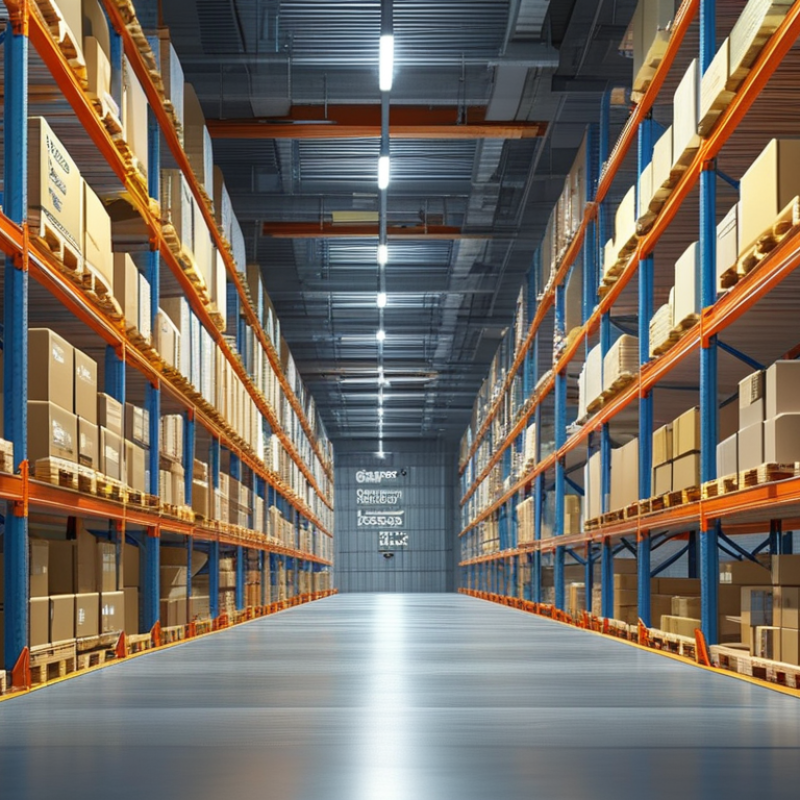
When considering a 4 Way Shuttle Storage Solution, it’s crucial to understand its basic components. This system allows easy access from four directions, making it highly versatile for warehouses. These shuttles move efficiently within the racking system. Their design facilitates quicker loading and unloading, reducing wait time. This efficiency can increase overall productivity.
However, selecting the right solution requires careful evaluation. Not every storage option fits every facility's needs. Organizations should assess their inventory types and volume. A solution that works for one setting may not yield the same results in another. It’s essential to conduct an analysis of space and layout. Some facilities might struggle with constraints that limit storage height or width.
This system brings benefits, yet drawbacks exist. Complexity can arise with integration into existing setups. Misalignment between the shuttle's capabilities and the warehouse operations can lead to inefficiencies. Regular maintenance is necessary to keep everything functioning smoothly. The initial investment is significant, thus careful planning is essential to ensure a strong return on investment.
When evaluating capacity and space efficiency in shuttle storage systems, it's essential to understand the specific needs of your operation. Start by assessing the volume of items you handle daily. Calculate the average size and weight of goods. This data will guide you in selecting a system that maximizes storage potential while minimizing waste within your available space.
A well-designed shuttle storage system can drastically improve warehouse efficiency. Consider a layout that utilizes vertical space. High-density shelving allows for better inventory management. Make sure to factor in the aisle widths required for shuttle movement. Avoid making aisles too narrow, as this can lead to delays and safety hazards.
Explore flexible configurations. A modular approach might better suit evolving needs. An adaptable system can help accommodate fluctuations in inventory. Regularly review performance metrics. Are you utilizing space effectively? Room for improvement often exists, even in well-run systems. Identifying these areas can lead to significant operational enhancements. Strive for continuous improvement in both storage capacity and workflow efficiency.
When selecting a 4-way shuttle storage solution, understanding the differences between manual and fully automated systems is crucial. Manual shuttle systems require human operators for storage and retrieval. Such systems may work well in smaller facilities with flexible inventory needs. However, human error can lead to inefficiencies. According to a report by Logistics Management, manual systems can decrease throughput by 30% compared to automated solutions.
On the other hand, fully automated shuttle systems present significant advantages. They operate continuously and optimize space and workflows. A study from the Warehousing Education and Research Council found that fully automated systems increased retrieval speeds by up to 50%. This automation reduces labor costs and minimizes errors. Nonetheless, the initial investment can be higher, which can deter some businesses. Companies must weigh these costs against long-term productivity gains.
Automation can also face challenges. Technical issues might cause delays. Dependence on software means updates are necessary. Adapting to new technology can be hard for some employees. Ultimately, identifying the right balance between manual and automation levels is vital for operational efficiency.
This chart presents a comparison between Manual and Fully Automated 4 Way Shuttle Storage Systems across various dimensions such as initial cost, operational cost, space efficiency, ease of use, and maintenance requirements. The data illustrates the strengths and weaknesses of each system, aiding in making an informed decision.
When evaluating 4-way shuttle storage solutions, it's essential to focus on cost-effectiveness and return on investment (ROI). This evaluation starts with an understanding of your specific storage needs. Consideration should be given to space utilization, throughput requirements, and efficiency levels. Each of these factors plays a crucial role in determining the overall cost-effectiveness of the chosen system.
Next, gather data on initial investment costs, ongoing maintenance expenses, and operational efficiency. A thorough analysis should compare these factors against projected ROI. Look at past case studies that feature similar operational scales. Anecdotal evidence can highlight the pitfalls and successes of different solutions. It's crucial to reflect on potential hidden costs, such as employee training and system downtime, which can affect long-term profitability. This holistic view allows you to weigh the immediate benefits against the broader implications of operational expenses and service quality.
Finally, remain cautious about over-relying on any one vendor's claims, as they may not provide a full picture. Seek out independent reviews and expert analysis where possible. Building a decision-making process on diverse perspectives can lead to a more informed choice. Balancing cost with quality and reliability will help ensure the chosen solution meets both current and future demands.
In recent years, shuttle storage technology has evolved significantly. Automation is a key driver in this industry. Advanced systems now offer real-time inventory management. This innovation reduces errors and increases efficiency. The design of 4-way shuttle systems also focuses on maximizing space. Businesses can streamline their operations and increase storage density.
New trends highlight the integration of AI and IoT in shuttle systems. These technologies enhance predictive maintenance and improve overall system performance. As companies evolve, they must consider their unique needs. Custom solutions may be essential for optimal efficiency. However, finding the right balance between technology and usability is a challenge.
While many solutions are available, not all will fit your requirements. Companies often rush to adopt new technology without thorough analysis. Assessing long-term value is crucial. Investing blindly can lead to wasted resources. It's important to gather feedback from end-users. System design should prioritize user experience for better operational outcomes.
| Dimension | Description | Current Trends | Innovations |
|---|---|---|---|
| Capacity | Volume of storage space available for goods | Increasing demand for higher capacity systems | Integration of modular designs |
| Speed | Rate at which goods can be stored and retrieved | Need for faster retrievals to improve efficiency | Use of AI for predictive analytics |
| Safety | Measures to ensure safety during operations | Enhanced safety protocols and monitoring systems | Robotics for safer handling of heavy items |
| Scalability | Ability to expand storage without major reconfiguration | Growing need for scalable solutions in logistics | Cloud-based systems for real-time scaling |
: Manual systems need human operators, while automated systems run continuously without human intervention.
Automated systems can increase retrieval speeds by up to 50% and reduce labor costs.
Human error may cause inefficiencies and decrease throughput by 30% compared to automated systems.
Focus on space utilization, throughput requirements, and potential hidden costs, like training and downtime.
Yes, the initial investment for automated systems can be higher, deterring some businesses.
Technical issues and the need for software updates may cause delays and require employee adaptation.
Compare initial costs, maintenance expenses, and operational efficiency against projected ROI from past case studies.
Relying solely on one vendor's claims can lead to a narrow view, affecting informed decision-making.
Yes, automation minimizes errors, but it's not foolproof. Operational challenges can still arise.
Weigh immediate benefits against long-term implications to ensure reliability and service quality.
Choosing the best 4-Way Shuttle Storage solution requires a thorough understanding of its fundamental principles. Effective evaluation starts with assessing capacity and space efficiency, which are critical for optimizing warehouse operations. Furthermore, comparing varying levels of automation—from manual to fully automated systems—can significantly influence both efficiency and operational cost.
Cost-effectiveness and return on investment (ROI) are also crucial factors for decision-making in shuttle storage solutions. Organizations must analyze potential savings and productivity gains associated with each system. Lastly, being aware of industry trends and innovations in 4-Way Shuttle Storage technology ensures that businesses remain competitive and can leverage cutting-edge solutions to meet evolving demands.

Fangjiu Rack