Choosing the best Longspan Storage racks in China requires more than comparing prices online. Warehouse buyers need clear evidence about load capacity, steel quality, dimensions, and daily usability. A rack may look strong in a product photograph. Its real value appears under repeated loading, movement, and inspection.
Warehouse-design expert John J. Bartholdi III states, “A warehouse is a building specially designed to receive, store, and issue goods.” This principle matters when evaluating Longspan Storage systems. The rack must support products, but it must also protect picking routes, worker access, and future expansion. Buyers should examine beam thickness, column stability, surface treatment, shelf adjustability, and documented testing. Ask for drawings and load tables.
Small details matter.
For example, a 2.4-meter shelf may suit cartons, while longer spans may need stronger beams. Uneven floors can also affect installation and safety. Supplier claims deserve verification through factory visits, sample checks, and references from comparable warehouses. Certifications help, but they do not replace practical inspection.
The “best” Chinese rack is not always the cheapest one. It should match product weight, turnover rate, available height, and handling equipment. Some buyers overlook installation support and spare parts. That mistake can become expensive later. Even experienced teams may underestimate future inventory changes. A careful decision leaves room for adjustment, because warehouse plans rarely remain perfect.
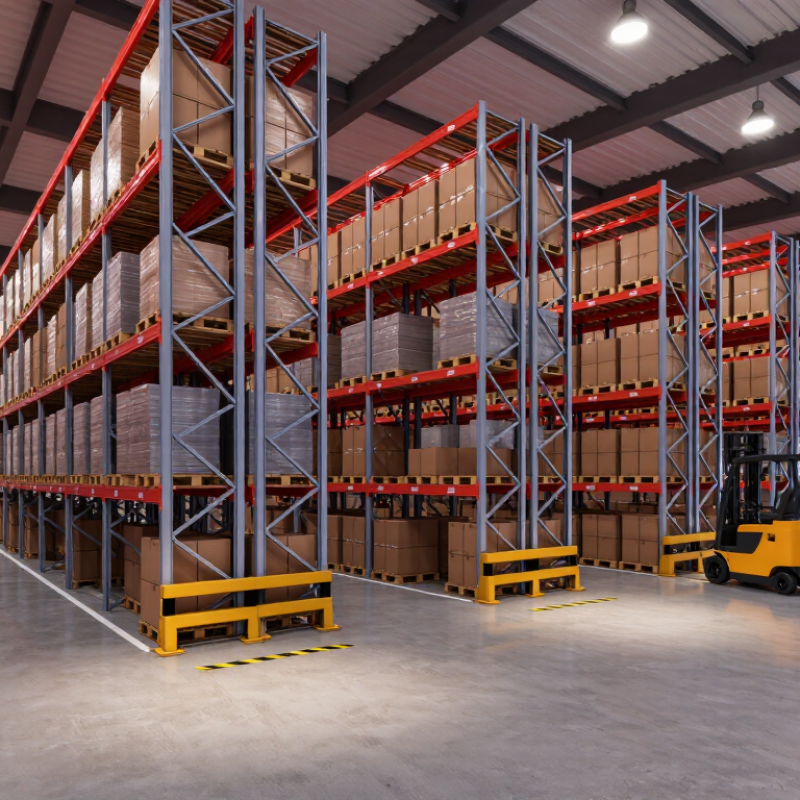
Longspan storage racks are modular warehouse systems designed for medium and bulky goods. They usually combine upright frames, horizontal beams, and adjustable shelves. Unlike pallet racks, they often support cartons, spare parts, tools, and hand-loaded products. Their open design gives workers clear access from the aisle. A typical bay may hold several shelf levels, with each level adjusted for different carton heights. This flexibility helps warehouses use vertical space without installing complex equipment.
In practical warehouse planning, load capacity must match real working conditions. Consider product weight, shelf spacing, beam length, and floor quality. Uneven loading can cause deflection or instability. I once underestimated carton depth during a layout review. The racks fit on paper, but workers struggled to reach the rear items. That small error reduced picking efficiency. It also showed why measurements should be checked with actual inventory, not assumptions.
Tips: Measure the heaviest unit first. Keep heavier goods on lower levels. Leave enough aisle space for safe movement. Inspect beams, connectors, and shelves regularly. Use labels showing maximum loads. If products change often, choose adjustable components. A qualified engineer should verify the final arrangement, especially in high-traffic areas. One detail is easy to miss: future stock growth. A rack layout that works today may become crowded within months.
China offers several longspan rack types for warehouse buyers, from simple boltless shelving to engineered multi-tier systems. In warehouse audits, I often see boltless racks used for cartons, tools, and spare parts. They assemble quickly and suit changing stock sizes. Steel-panel decks provide a solid surface for small items. Wire decks improve visibility and airflow.
Heavy-duty longspan racks support denser goods, such as boxed machinery parts or maintenance supplies. Upright frames, beam thickness, and shelf spacing must match the real load. Do not rely only on a supplier’s advertised capacity. Ask for load calculations, material specifications, welding details, and inspection records. Details matter. A rack may look strong but still perform poorly when loads are uneven.
China also supplies mobile longspan racks, carton-flow sections, and multi-level rack platforms. Mobile units can save aisle space, but they need smooth floors and careful safety planning. Carton-flow designs suit first-in, first-out picking, although rollers may require regular cleaning. Multi-level systems create useful vertical storage, yet stairs, guardrails, lighting, and emergency access need local review. I once underestimated handling clearance in a narrow aisle; the layout worked on paper but slowed daily picking. Accurate measurements and a trial layout would have prevented that mistake. Ask for drawings, sample components, testing evidence, and export packaging details before approving production.
| Rack Type | Typical Bay Dimensions | Typical Load Range | Best-Suited Goods | Access Method | Main Advantages | Important Buying Considerations |
|---|---|---|---|---|---|---|
| Longspan Shelving | Length: 1,200–2,400 mm Depth: 400–800 mm Height: 1,800–3,000 mm |
100–800 kg per level | Cartons, spare parts, tools, packaged goods and hand-loaded inventory | Manual picking from aisles | Flexible beam levels, simple assembly and efficient use of wall or floor space | Confirm shelf deflection, beam profile, decking type and required level adjustment |
| Multi-Tier Longspan Shelving | Length: 1,200–2,400 mm Depth: 400–800 mm Overall height: 3,000–6,000 mm |
100–500 kg per level | Small parts, archives, e-commerce stock and slow-to-medium moving products | Manual access by stairs, walkways or picking platforms | Creates additional storage floors without expanding the building footprint | Check building height, floor load, stair location, guardrails, handrails and fire-safety requirements |
| Adjustable Pallet Racking | Bay length: 1,800–3,600 mm Depth: 900–1,200 mm Height: 2,000–12,000 mm |
500–4,000 kg per beam level | Palletized cartons, raw materials, finished goods and mixed-SKU inventory | Forklift access to every pallet position | High selectivity, adjustable storage levels and broad compatibility with standard pallets | Verify pallet size, forklift aisle width, floor flatness, seismic conditions and structural calculations |
| Double-Deep Pallet Racking | Double-row depth: approximately 1,800–2,400 mm Height: 3,000–12,000 mm |
800–4,000 kg per beam level | Higher-volume inventory with several pallets per SKU | Reach truck or specialized double-deep forklift | Greater storage density than single-deep selective racking | Requires compatible handling equipment and disciplined stock rotation because rear pallets are less accessible |
| Drive-In Racking | Block depth: commonly 4–10 pallets Height: 3,000–10,000 mm |
500–1,500 kg per pallet position | Large quantities of similar products with low SKU variety | Forklift drives into rack lanes | High space utilization and reduced aisle area | Requires carefully controlled loading practices, suitable pallets and attention to FIFO/LIFO requirements |
| Push-Back Racking | Lane depth: 2–6 pallets Height: 3,000–10,000 mm |
500–1,500 kg per pallet position | Medium-turnover goods and multiple pallets per SKU | Forklift loads from the front; pallets move on carts or rollers | Improves density while keeping loading and unloading on one side | Specify pallet dimensions, lane depth, slope, cart design and required inventory rotation method |
| Pallet Flow Racking | Lane depth: 2–20 pallets Height: 3,000–10,000 mm |
500–1,500 kg per pallet position | Perishable goods, date-sensitive products and high-throughput distribution stock | Forklift loads one side and unloads from the opposite side | Supports FIFO operation and reduces travel distance for picking | Roller pitch, braking rollers, pallet quality and lane maintenance must match the application |
| Cantilever Racking | Arm length: 600–1,500 mm Column height: 2,000–8,000 mm Custom overall length |
200–1,500 kg per arm | Steel bars, pipes, timber, profiles, panels and other long loads | Manual handling, crane or forklift | Open-front design makes long and irregular products easy to load | Specify load length, center of gravity, arm spacing, base capacity and required end stops |
| Mobile Storage Racking | Compatible with shelving or pallet-rack modules Typical height: 2,000–6,000 mm |
Varies by rack configuration; commonly 200–3,000 kg per level | Archives, spare parts, compact warehouses and high-value inventory | Motorized or manually operated movable aisles | Can significantly reduce permanently open aisle space | Requires suitable floor rails, safety sensors, emergency controls and adequate floor load capacity |
| Mezzanine-Supported Storage | Platform height: commonly 2,500–6,000 mm Bay sizes configured to layout |
250–1,000 kg per m² for many light- to medium-duty applications | Cartons, parts, work-in-process inventory and fulfillment stock | Manual picking, stairs, lifts or conveyors | Uses vertical warehouse volume and can combine offices, picking and storage | Requires structural design review, allowable floor loading, access protection and local building approval |
For warehouse buyers, rack capacity should begin with real loading data, not a catalog headline. Record each carton or pallet weight, shelf spacing, and the number of levels. A 2,000-kilogram bay may not support 2,000 kilograms on one shelf. Loads must be distributed as specified. Forklift impact and uneven floors also affect performance. Ask for beam and upright load tables, calculation methods, and allowable deflection limits.
Material quality deserves close inspection. Structural steel grade, thickness, welding accuracy, and surface treatment influence service life. Powder coating suits dry warehouses, while galvanized finishes may better resist humidity. However, thicker steel alone does not prove a stronger rack. Check the connection design, bracing, base plates, and anchor requirements. Request mill certificates, coating records, and sample inspection photos. Factory experience helps, but documented testing matters more.
Configuration changes both capacity and daily efficiency. Selective layouts offer direct access to every location, while denser systems can reduce aisle space. Adjustable beams support changing inventory, but frequent adjustment may damage locking parts. Measure aisle width against the actual handling equipment. Leave clearance around sprinkler heads, columns, and emergency paths. A neat drawing can still hide a weak assumption. I once underestimated seasonal carton weight; the planned capacity looked sufficient, but the reserve was too small. Load trials and an independent engineering review can expose such mistakes before installation.
China Best Longspan Storage Racks for Warehouse Buyers?
Warehouse buyers should judge longspan storage racks by verified performance, not appearance. A clean finish can hide weak welds or inaccurate dimensions. Check the stated load per level and confirm whether it applies evenly across the shelf. Uneven cartons create different stress. Ask for steel grade records, production tolerances, and independent load-test evidence. Rack frames should stand square, while beams should resist visible sag under working loads. Small defects matter.
Tips: Inspect sample joints closely. Look for continuous welds, smooth edges, and stable beam connectors. Request installation instructions and maintenance guidance. Measure aisle clearance after assembly, not only from drawings. Confirm that the coating resists the warehouse environment, especially where humidity, dust, or temperature changes are common. Keep inspection photos and delivery records for future checks.
Reliable suppliers explain limitations clearly. They should identify maximum loads, recommended spans, and risks from impact or uneven loading. Ask whether replacement parts remain available and traceable. Local safety requirements must also be reviewed by a qualified professional. I have seen buyers focus on price, then discover that a few millimeters of frame deviation complicate installation. That mistake is avoidable, though inspection is never perfect. Recheck bolts, anchors, and beam levels after the first loading cycle. Minor movement may reveal a larger installation problem.
The chart presents a practical buyer verification scorecard based on the main quality-control areas addressed by ANSI MH16.1, EN 15512, and EN 15635. Each point represents one type of evidence a buyer should request before approving longspan or pallet-rack equipment.
Buyers should verify structural calculations, declared load capacity, material and component traceability, protective finish, installation quality, and inspection and maintenance procedures. A higher score indicates more evidence is required in that quality area; it is not a product certification or a comparison of manufacturers.
Choosing a reliable Chinese longspan rack supplier requires more than comparing online prices. Begin with your warehouse reality. Measure aisle widths, floor levels, carton sizes, and expected load weight. A rack that looks strong may still fail when shelves are overloaded. Ask the supplier for clear load calculations, steel specifications, surface treatment details, and dimensional drawings. Request photos or videos showing production, welding, and quality inspections. Small details matter.
A dependable supplier should explain its process without vague promises. Check whether workers inspect beam connections, shelf flatness, and coating thickness. Ask for testing records and installation guidance. Independent inspection can add confidence before shipment. Speak with previous overseas buyers when possible. Their feedback may reveal packing damage, delayed responses, or replacement difficulties. Good communication is practical evidence of reliability.
Do not choose only by the lowest quotation. Confirm the quotation includes packaging, delivery terms, spare components, and technical support. A sample order can expose problems before a full project begins. I once underestimated the value of installation drawings; unclear drawings created avoidable warehouse delays. That mistake still influences my supplier checks. No supplier gets every forecast right, so discuss design changes and after-sales support openly. Leave room for improvement.
Common options include boltless shelving, heavy-duty racks, mobile units, carton-flow sections, and multi-level platforms. Steel panels suit small parts. Wire decks improve airflow and visibility.
Boltless racks work well for changing stock sizes and lighter warehouse items. They assemble quickly. Steel-panel decks prevent small items from falling through.
Choose them for dense goods, such as boxed machinery parts or maintenance supplies. Confirm actual weights and shelf spacing first. Advertised capacity alone is not enough.
Record carton weights, shelf levels, spacing, and load distribution. A bay rated for 2,000 kilograms may not support that weight on one shelf. Uneven floors and forklift impacts can reduce performance.
Check structural steel grade, thickness, welding accuracy, bracing, base plates, and connection design. Powder coating suits dry areas. Galvanized finishes may help in humid warehouses.
No. Mobile racks need smooth floors, careful safety planning, and reliable aisle control. They can save space. However, poor floor conditions may create operational problems.
Carton-flow racks support first-in, first-out picking. Their rollers need regular cleaning and inspection. Dust buildup can slow carton movement.
Review stairs, guardrails, lighting, emergency paths, sprinkler clearance, and handling space. Measure everything. A layout may look correct but still slow daily picking.
Request load calculations, material certificates, welding details, drawings, inspection records, testing evidence, and packaging information. Sample components are useful. I once trusted a neat drawing too much; a trial layout would have exposed the clearance problem.
This guide explains how Longspan Storage racks help warehouses organize medium- and heavy-duty goods with flexible, accessible shelving. It introduces common rack types available from Chinese manufacturers, including adjustable, multi-tier, back-to-back, and mobile configurations, helping buyers match the system to product dimensions, handling methods, and available floor space. It also outlines how to compare load capacity, steel materials, beam and upright designs, surface treatments, and modular features before making a purchasing decision.
For quality control, warehouse buyers should review manufacturing consistency, safety testing, dimensional accuracy, coating performance, packaging, and relevant industry certifications. The guide also provides practical advice for choosing a reliable Chinese supplier by assessing production capability, technical communication, customization support, sample inspection, lead times, after-sales service, and transparent quotations. With a structured evaluation process, buyers can select a safe, durable, and cost-effective storage solution that supports efficient warehouse operations.

Fangjiu Rack