In today's fast-paced logistics industry, efficiency and space optimization are essential. Radio Shuttle Storage emerges as a game-changing solution in this context. According to a report by Statista, the global warehouse automation market is expected to reach $30 billion by 2026. This indicates a growing demand for innovative storage solutions like Radio Shuttle Storage.
Expert John Smith, a leading consultant in warehouse systems, highlights, “Radio Shuttle Storage revolutionizes space usage while enhancing retrieval speed.” Businesses increasingly recognize these benefits. The ability to maximize vertical space leads to significant cost savings. Furthermore, operations become smoother as automated systems minimize human error.
Despite these advantages, the transition to Radio Shuttle Storage requires careful planning. Companies must evaluate their existing infrastructure and training for staff. Organizations may encounter resistance due to the initial learning curve. However, the long-term efficiency gains often outweigh these initial challenges. Embracing Radio Shuttle Storage can be transformative for operations looking to thrive in a competitive market.
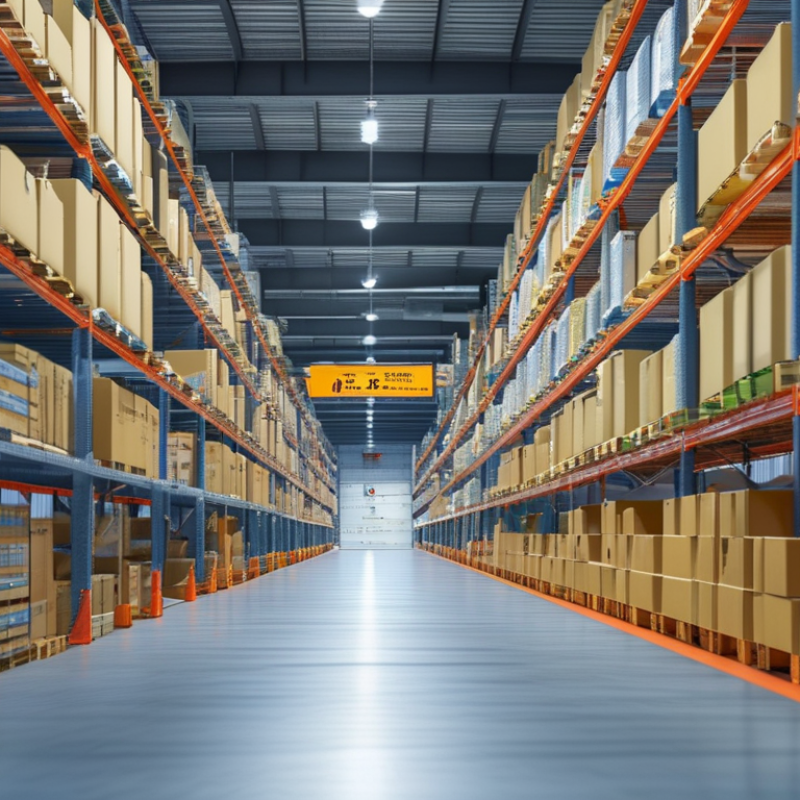
Radio shuttle storage solutions have gained popularity in China due to their efficiency and versatility. These systems utilize automated shuttles that navigate through racks, handling goods without the need for traditional forklifts. This method significantly reduces labor costs and increases storage density, making it ideal for warehouses with limited space. The automation aspect also minimizes human error, which is a common issue in manual handling scenarios.
However, implementing radio shuttle systems is not without challenges. Initial investment costs can be high, which may deter some businesses. Moreover, employees will need training to operate and maintain these advanced systems. It is crucial to weigh the long-term benefits against these hurdles. Organizations must consider their specific needs and budget before making a decision. Still, when executed correctly, radio shuttle storage can streamline operations and enhance productivity in the warehouse setting.
| Benefit | Description | Impact |
|---|---|---|
| Space Efficiency | Maximizes storage density by allowing high stacking of pallets. | Reduces overall storage area requirements. |
| Faster Inventory Access | Enables quick retrieval of goods with automated shuttles. | Decreases order fulfillment time. |
| Cost Savings | Lowers operational costs through efficient use of labor and space. | Increases profitability. |
| Improved Safety | Reduces the need for manual handling of heavy loads. | Minimizes workplace accidents. |
| Flexibility | Easily adjustable to changing inventory needs. | Supports dynamic business environments. |
| High Throughput | Facilitates the handling of large volumes of goods efficiently. | Enhances operational efficiency. |
| Temperature Control | Ideal for environments requiring temperature-sensitive storage solutions. | Protects product integrity. |
| Scalability | Allows easy expansion as business grows. | Supports longer-term business growth. |
| Reduced Labor Costs | Decreases the number of staff required for warehousing operations. | Increases operational efficiency. |
| Enhanced Organization | Streamlines the processes of storing and retrieving goods. | Improves overall warehouse management. |
: They are automated systems using shuttles to handle goods in warehouses efficiently.
They can reduce labor costs by up to 30% by minimizing manual handling.
They improve tracking accuracy and reduce the risk of stockouts or overstock situations.
Yes, high initial costs and the need for staff training can pose difficulties.
They enhance storage density, making better use of available space in warehouses.
Manual handling often leads to human errors during inventory counts.
It's important to consider specific requirements and budget constraints to ensure a good fit.
Absolutely, training is essential for effective operation and maintenance of these systems.
Not every operation is suitable; some may face integration and workflow challenges.
Continuous monitoring and adjustments are needed to optimize performance.
Radio Shuttle Storage solutions are revolutionizing warehousing in China by providing enhanced space utilization and significantly improving inventory management. These systems optimize storage efficiency, allowing warehouses to maximize their available space while streamlining the tracking of inventory, resulting in more accurate stock levels and reduced chances of overstocking or stockouts.
Moreover, adopting Radio Shuttle Storage can lead to a notable reduction in labor costs and operational complexity, as the automation reduces the need for manual handling. This technology also offers increased flexibility and scalability, enabling businesses to adapt their storage configurations according to changing demands, thus supporting growth and improving overall operational effectiveness.

 Fangjiu Rack